Gangnam Eye & Eye Revision Surgery Specialist · Personalized 1:1 Care


Eye Revision Surgery · Needs Clinic Confirmation
Asymmetry Correction
Eye asymmetry following double eyelid surgery can arise from a range of distinct anatomical causes — and identifying the correct cause is essential to selecting the right correction.
Schedule a Consultation
What Causes Eye Asymmetry After Surgery and How Is It Corrected?
Eye asymmetry following double eyelid surgery can arise from a range of distinct anatomical causes — and identifying the correct cause is essential to selecting the right correction. In some cases, the asymmetry is a direct result of surgical factors: one eyelid line loosening over time while the other holds, the original design being uneven from the outset, or one side receiving a fixation that is too strong and pulling the fold upward during eye opening. In other cases, natural anatomical differences between the two eyes — such as differing eye-opening strength or variations in skin thickness — interact with the surgical result to produce an imbalance that was not present, or not as noticeable, before the procedure.
At Afternoon Plastic Surgery Clinic, eye asymmetry correction begins with a thorough bilateral assessment of both eyelids — evaluating fold height, fixation strength, tissue condition, eye-opening function, and the specific nature of the imbalance on each side. Because the cause of asymmetry can differ between the left and right eye even in the same patient, the correction plan is designed individually for each side rather than applying a uniform adjustment across both.
Where one eyelid line has loosened, it is redesigned and corrected to match the opposite eye, with fold thickness and fixation strength carefully adjusted for balance. Where the original design itself was asymmetrical, the line height is revised through surgery. Where asymmetrical swelling or skin thickness has shifted the fold position after healing, surrounding tissues and the fixation point are readjusted. Where differences in eye-opening strength are contributing to the imbalance, ptosis correction and double eyelid thickness adjustment are performed together. And where excessive fixation on one side is pulling the fold upward, the over-fixed area is carefully released and repositioned to create a softer, more naturally balanced eyelid line.
Who Needs Eye Asymmetry Correction?
Eye asymmetry correction is recommended for patients who have undergone double eyelid surgery or a related eyelid procedure and are experiencing a noticeable imbalance between the left and right eyelid lines, fold heights, or overall eye shapes. As with all revision eye surgery, it is generally advisable to allow sufficient recovery time following the original procedure before pursuing revision — giving swelling time to fully resolve and the eyelid tissues time to stabilize before a clinical assessment is made.
Ideal candidates for eye asymmetry correction include:
Patients in their 20s–50s who have developed noticeable left-right eyelid imbalance following double eyelid surgery
Those where one double eyelid line has loosened while the other has maintained its original shape and height
Patients whose original surgical design was itself asymmetrical, resulting in uneven fold heights from the outset
Individuals whose fold height shifted post-operatively due to asymmetrical swelling, skin thickness differences, or uneven tissue healing
Those experiencing different eye-opening strength between the two eyes that is contributing to an uneven eyelid appearance
Patients with one eyelid fold being pulled upward during eye opening due to excessive fixation on one side
Those who want naturally balanced, symmetrical eyes that look harmonious from all angles rather than noticeably different from one side to the other
Patients seeking combined asymmetry correction and ptosis adjustment where differences in levator function are contributing to the imbalance
If any of these concerns reflect your current experience, a direct consultation with Dr. Karam Kim at Afternoon Plastic Surgery Clinic is the recommended first step toward an accurate bilateral assessment and a targeted correction plan.
Meet the Specialist in Eye Asymmetry Correction: Dr. Karam Kim

Dr. Karam Kim Director & Board-Certified Plastic Surgeon
Dr. Karam Kim has devoted his surgical career to focused, structure-first expertise in eye surgery and eye revision surgery. As the lead and sole operating surgeon at Afternoon Plastic Surgery Clinic, he personally conducts every consultation, designs every correction plan, and performs every procedure — ensuring that no patient is passed to junior staff or treated according to a generic bilateral correction template at any stage of their care.
His professional credentials reflect both clinical depth and sustained academic engagement:
Former Director, Make Plastic Surgery Clinic
Former Director, Noblesse Plastic Surgery Clinic
Life Member, Korean Society of Plastic and Reconstructive Surgeons (KSPRS)
Regular Member, Korean Society of Aesthetic Plastic Surgery (KSAPS)
Regular Member, Korean Society of Craniofacial Plastic & Reconstructive Surgery
Regular Member, KSIPS Rhinoplasty, Breast Surgery & Minimally Invasive Surgery Research Societies
Regular Member, Korean Society for Stem Cell Treatment
Appointed Consultant, Naver Knowledge IN — Health & Medicine
Eye asymmetry correction is one of the most nuanced procedures in revision eyelid surgery — precisely because the cause of the imbalance must be identified independently for each side, and the correction designed individually for each eyelid within the context of achieving bilateral harmony. Dr. Kim's 1mm-precision design philosophy, combined with his cause-first diagnostic approach and his commitment to personally correcting any asymmetry identified on the surgical table before the patient leaves, means that asymmetry correction at Afternoon is approached with a level of care and bilateral attentiveness that distinguishes the clinic from generalist practices. His philosophy is patient-centered, structurally informed, and guided by a genuine commitment to eye balance that looks natural from every angle.
Treatment Areas and Expected Improvements: Eye Asymmetry Correction
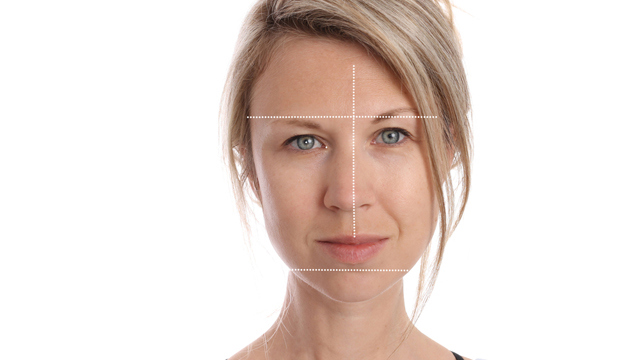
Afternoon Plastic Surgery Clinic's approach to eye asymmetry correction addresses the full range of anatomical causes behind eyelid imbalance, with treatment tailored to the specific findings of each patient's bilateral pre-operative assessment. The following areas and correction approaches reflect the clinic's individualized, cause-specific surgical philosophy.
One-Sided Double Eyelid Loosening — Line Redesign and Fixation Adjustment: When one double eyelid line has loosened while the opposite side has maintained its shape, the asymmetry is corrected by redesigning the loosened fold to match the stable side. The fold thickness and fixation strength on the revised side are carefully adjusted to achieve bilateral balance — ensuring that both eyelids sit at the same height, hold the same crease depth, and open to a consistent degree. Patients typically experience a clear improvement in bilateral symmetry as healing progresses, with the revised fold stabilizing to match the opposite eye in both appearance and consistency. As with all revision procedures, individual healing patterns influence the final outcome.
Asymmetrical Fold Height — Design Correction or Tissue Readjustment: Where the fold heights of the two eyelids differ — whether because the original design was uneven from the outset or because post-operative swelling or skin thickness caused one side to shift — the correction approach is selected based on the underlying cause. For design-related asymmetry, the line height is directly adjusted through revision surgery. For tissue-related shifts, the surrounding tissues and fixation point on the affected side are carefully readjusted to restore the intended height and achieve bilateral symmetry. Both approaches are designed to produce a consistent, balanced fold height across the full eyelid width on both sides.
Differing Eye-Opening Strength — Combined Ptosis Correction and Fold Thickness Adjustment: Where natural or post-surgical differences in eye-opening strength between the two eyes are contributing to the asymmetrical appearance, ptosis correction is performed on the affected side alongside adjustment of the double eyelid fold thickness. Addressing both the muscular function and the crease appearance simultaneously produces a more comprehensive and naturally balanced result than fold adjustment alone, particularly in cases where the levator function difference is a primary driver of the visible imbalance.
Upward-Pulled Eyelid Fold — Adhesion Release and Fixation Repositioning: In cases where excessive fixation strength on one side is causing the eyelid fold to pull upward during eye opening — creating an uneven fold thickness and a visible difference in eyelid shape between the two eyes — the over-fixed area is carefully released and the fixation point is repositioned. The fold thickness is then adjusted to create a softer, more naturally contoured eyelid line that opens evenly and sits consistently at rest. This correction addresses both the visible asymmetry and the underlying mechanical cause, reducing the risk of the same pulling pattern recurring.
Individual results vary depending on skin thickness, tissue condition, eye-opening strength, healing response, and the specific combination of correction methods used. No surgical outcome can be guaranteed, and realistic expectations are established transparently during the pre-operative consultation with Dr. Kim.
The Eye Asymmetry Correction Process at Afternoon Plastic Surgery Clinic
The correction process at Afternoon is structured around a bilateral understanding of each patient's eyelid anatomy — and a revision plan designed to achieve genuine symmetry rather than a cosmetic approximation of it. Every step is performed by Dr. Karam Kim personally, with no delegation at any stage.
Step 1 — Bilateral Assessment and Personalized Eye Design
The correction process begins with a direct, in-depth consultation with Dr. Kim, during which both eyelids are assessed independently — evaluating fold height, fixation strength, tissue condition, eye-opening function, and the specific nature and cause of the asymmetry on each side. Up to 20 minutes are dedicated to design work before any surgical step is planned — determining the most appropriate fold height, crease design, and correction approach for each eyelid within the context of achieving bilateral harmony. Eye shape options include:
Innocent Eyes — Naturally round, pure, and refined
Elegant Eyes — Slightly lifted corners for a sophisticated look
Cute Eyes — Larger, puppy-like eyes with a youthful quality
Step 2 — Cause Confirmation and Surgical Method Selection
Following the bilateral design assessment, the precise cause of the asymmetry on each side is confirmed — one-sided loosening, original design asymmetry, tissue-related fold shift, differing eye-opening strength, or excessive one-sided fixation. The appropriate correction method is then selected for each eyelid: fold redesign and fixation adjustment, tissue repositioning, ptosis correction and fold thickness adjustment, or adhesion release and fixation repositioning — with each side addressed according to its individual findings.
Step 3 — Cause-Specific Correction and Bilateral Symmetry Restoration
The selected corrections are performed precisely according to the pre-surgical design, with each eyelid addressed individually while keeping the bilateral symmetry goal central to every decision. Scar tissue is removed where present, fixation points are adjusted or released as indicated, fold heights are corrected, and ptosis is addressed where contributing to the imbalance. Any asymmetry identified during the surgical process is corrected immediately on the table before the procedure is concluded — a standard practice at Afternoon that reflects the clinic's commitment to leaving every patient with the most balanced result achievable at the time of surgery.
Step 4 — Additional Customized Procedures
Where the patient's overall eye design benefits from complementary procedures — such as epicanthoplasty, under-eye surgery, or front and back lower eye correction — these are performed in the same session to achieve a cohesive and harmonious result across the full eye zone.
Post-Operative Care and Recovery
Patients are discharged the same day following surgery. Mild swelling and bruising are expected in the first few days and typically resolve within the approximately 5-day recovery window. Stitches are removed at 5–7 days post-procedure. Any asymmetry identified during the post-operative period is addressed and corrected within two weeks — a standing commitment made by Afternoon Plastic Surgery Clinic to every revision patient.
Results, Safety, and Longevity of Eye Asymmetry Correction
When the cause of the asymmetry is accurately identified on each side and the correction is performed with the bilateral precision that defines Afternoon's approach, eye asymmetry correction is intended to produce a naturally balanced and consistently symmetrical eyelid appearance that holds over time. Whether the correction involves redesigning a loosened fold, readjusting a shifted fixation point, correcting ptosis, or releasing an over-fixed adhesion, the results are designed to be structurally stable — with the revised eyelid positions settling into a harmonious bilateral balance as healing progresses.
The safety profile of eye asymmetry correction at Afternoon reflects the clinic's deliberate, unhurried surgical philosophy. With a strict limit of two surgeries per day, Dr. Kim operates without time pressure — giving each bilateral correction case the complete focus and precision it demands. Sedation and local anesthesia are used throughout, keeping the patient comfortable while minimizing systemic risk.
As with any surgical procedure, possible side effects following eye asymmetry correction include temporary swelling, bruising, mild discomfort, and a low risk of infection or healing irregularity. It is worth noting that some degree of asymmetrical swelling between the two sides is common in the initial post-operative period and typically resolves as healing progresses. Serious complications are rare but remain possible, and all risks are discussed openly and transparently during the pre-operative consultation. Afternoon does not make guarantees about specific outcomes; the clinic's commitment is to a standard of bilateral precision, cause-based correction, and individualized care that gives every patient the strongest possible foundation for a naturally balanced result.
Why Choose Afternoon Plastic Surgery Clinic for Eye Asymmetry Correction?
Eye asymmetry correction demands a level of bilateral attentiveness and eyelid-specific expertise that goes well beyond standard revision surgery — and it is precisely this combination that Afternoon Plastic Surgery Clinic has developed through its near-exclusive focus on eye surgery and eye revision surgery. The clinic's cause-first diagnostic philosophy means that asymmetry correction plans are never approached as simple equalizations: each side is assessed independently, each correction is designed individually, and the two are brought into balance through a process of precise bilateral coordination that reflects a genuine depth of eyelid-specific case experience.
Dr. Karam Kim leads every aspect of patient care personally, from the initial bilateral assessment through to the final follow-up. The clinic's two-surgeries-per-day policy ensures that every asymmetry correction case receives the unhurried, complete surgical attention it requires — and the standing guarantee that any post-operative asymmetry will be corrected within two weeks gives patients a clear and supported path forward, regardless of how healing unfolds across both sides.
Why patients choose Afternoon for eye asymmetry correction:
Exclusive eye surgery specialization — bilateral eyelid expertise no generalist clinic can match
Dr. Karam Kim performs every surgery personally — no delegation at any stage of care
Maximum 2 surgeries per day — every asymmetry correction receives complete, focused attention
Asymmetry corrected on the surgical table — any imbalance identified during surgery is addressed before the patient leaves
Post-operative asymmetry corrected within 2 weeks — a standing clinic commitment to every patient
Patient Experiences: Eye Asymmetry Correction at Afternoon
Revision Patient, 20s — One-Sided Loosening With Height Difference
After one of her double eyelid lines gradually loosened following her original surgery, this patient developed a noticeable height difference between her two eyelids that became more apparent as the months passed. Following a bilateral assessment at Afternoon, Dr. Kim redesigned the loosened fold to match the stable side and adjusted the fixation strength and fold thickness for bilateral balance. As healing progressed, the two eyelids stabilized at a consistent height and the visible imbalance resolved into a naturally symmetrical appearance.
Revision Patient, 30s — Upward-Pulled Fold With Uneven Thickness
This patient presented with one eyelid fold that visibly pulled upward during eye opening, creating an uneven fold thickness between the two eyes and a noticeable asymmetry that had been present since her original double eyelid surgery. Dr. Kim identified excessive fixation strength on the affected side as the cause and performed a careful adhesion release and fixation repositioning. The fold thickness was adjusted to match the opposite side, and the eyelid settled into a softer, more consistently balanced line as recovery progressed.
Ready to Correct Uneven or Asymmetrical Eyelids? Start With a Consultation at Afternoon
If your double eyelid surgery has left you with uneven fold heights, a noticeable difference in eye shape between the two sides, or an eyelid line that pulls, loosens, or sits inconsistently, eye asymmetry correction at Afternoon Plastic Surgery Clinic offers a precise, bilaterally grounded path to naturally balanced eyes. Dr. Karam Kim will personally assess both eyelids independently, identify the cause of the imbalance on each side, and design a correction plan built around genuine bilateral symmetry — not a surface-level equalization.
[Book Your Eye Asymmetry Correction Consultation Today]
Take the first step toward eyes that sit symmetrically, open evenly, and look naturally balanced from every angle. Contact the Afternoon Plastic Surgery Clinic team to arrange your direct consultation with Dr. Karam Kim — and discover what 1mm-precision bilateral correction, performed by a dedicated eye surgery specialist, can achieve for you.
Other Services
Explore additional treatments offered by our specialists.
Male Eye Surgery
Male eye surgery encompasses the same range of primary eyelid procedures available to female patients — double eyelid creation, ptosis correction, sagging skin removal, epicanthoplasty, and under-eye correction — but approaches each with a design philosophy and surgical
Learn More

Canthoplasty
Canthoplasty is a surgical procedure that modifies the inner corner, outer corner, or both corners of the eye to adjust the apparent width, shape, tilt, or definition of the eye.
Learn More

Skin Booster
A skin booster is an injectable aesthetic treatment that delivers moisturizing and hydrating agents — typically hyaluronic acid-based formulations — directly into the dermis, the deeper layer of the skin where cellular hydration, collagen support, and skin quality are determined.
Learn More