Gangnam Eye & Eye Revision Surgery Specialist · Personalized 1:1 Care

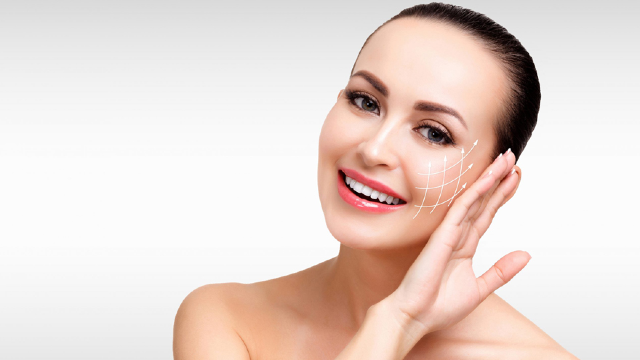
Non-Surgical Petit Treatments · Needs Clinic Confirmation
Botox
Botox — botulinum toxin type A — is an injectable treatment that temporarily relaxes targeted facial muscles, reducing the repetitive muscle contractions responsible for the formation of dynamic wrinkles and allowing the overlying skin to smooth.
Schedule a Consultation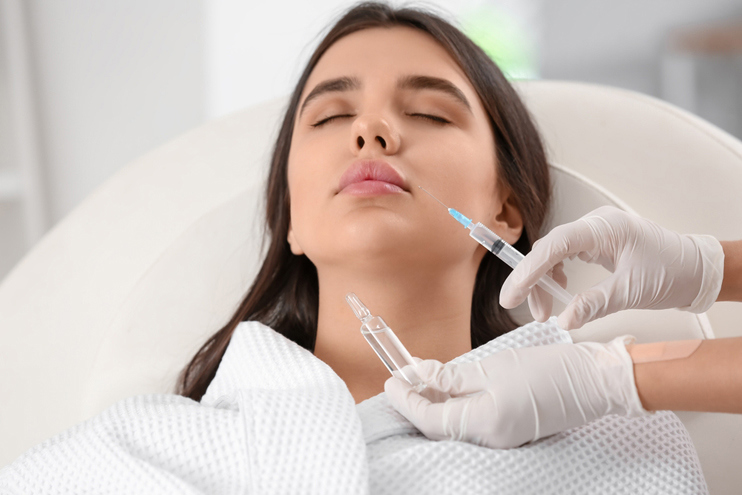
What Is Botox and How Does It Work?
Botox — botulinum toxin type A — is an injectable treatment that temporarily relaxes targeted facial muscles, reducing the repetitive muscle contractions responsible for the formation of dynamic wrinkles and allowing the overlying skin to smooth. Unlike dermal filler, which adds volume to restore or define facial structure, Botox works by reducing muscle activity — making it the treatment of choice for wrinkles that form through facial expression rather than through volume loss or skin laxity.
Dynamic wrinkles — the lines that appear when the face is in expression and deepen over time as repeated muscle contractions crease the overlying skin — are the primary target of Botox treatment. Forehead lines form from the repeated upward contraction of the frontalis muscle when raising the brows. Frown lines — the vertical creases between the brows — develop from the repeated activation of the corrugator and procerus muscles during concentration or displeasure. Crow's feet — the radiating lines at the outer corners of the eyes — result from the repeated contraction of the orbicularis oculi muscle during smiling and squinting. In each case, Botox placed precisely into the responsible muscle reduces its contractile activity — softening the lines it creates without eliminating the natural movement of the face.
Beyond wrinkle reduction, Botox has several additional aesthetic applications that extend its relevance to facial shape and contour. Masseter reduction — injection of botulinum toxin into the masseter muscle of the jaw — reduces the bulk of this muscle over time, creating a slimmer and more refined lower facial profile in patients with a wide or square jaw caused by masseter hypertrophy. Brow position adjustment — targeted placement of Botox in the muscles that depress the brow — can elevate a low or heavy brow, improve brow symmetry, and contribute to a more open and rested eye appearance. Both applications are planned in the context of the individual patient's facial anatomy and proportions rather than applied as standard protocols.
At Afternoon Plastic Surgery Clinic, Botox placement is assessed against the patient's full facial anatomy and expression patterns before any injection is made. The goal is always a result that looks natural and appropriately refreshed — with wrinkle softening that reflects genuine muscle relaxation rather than the immobility associated with over-treated Botox, and facial slimming or brow adjustment that looks proportionate to the surrounding facial structure.
Who Is a Candidate for Botox Treatment?
Botox is recommended for patients who want to address dynamic facial wrinkles, refine facial shape through masseter reduction, or adjust brow position — through a non-surgical treatment with no recovery period and results that develop naturally over the days following injection. A thorough pre-treatment consultation with Dr. Karam Kim is the recommended first step, as the appropriate treatment areas, injection depth, and dosage depend entirely on the individual patient's muscle activity patterns, facial anatomy, and specific goals.
Ideal candidates for Botox treatment include:
Patients in their 20s–60s with dynamic forehead lines, frown lines, or crow's feet that have deepened over time through repeated facial expression
Those who want to soften expression lines while preserving natural facial movement — not eliminate expression entirely
Patients with a wide or square lower face caused by masseter hypertrophy who want a slimmer, more refined jaw profile through non-surgical facial slimming
Individuals with low, heavy, or asymmetrical brows who want a non-surgical brow position adjustment or lift
Those seeking periocular Botox — treatment of crow's feet or brow position — who want the treatment administered by a surgeon with specialist anatomical knowledge of the eye and surrounding tissue
Patients who have undergone eye surgery at Afternoon and want to complement their surgical result with periocular Botox to address expression lines in the same zone
Those who want to combine Botox with filler — addressing both dynamic wrinkles and volume loss in a single coordinated visit
International patients seeking non-surgical facial refreshment with no recovery period and results that settle naturally before returning home
If any of these concerns reflect your current experience, a direct consultation with Dr. Karam Kim at Afternoon Plastic Surgery Clinic will provide a clear assessment of your facial muscle patterns and a personalized Botox treatment plan tailored to your individual anatomy and goals.
Meet the Specialist Administering Botox Treatment: Dr. Karam Kim
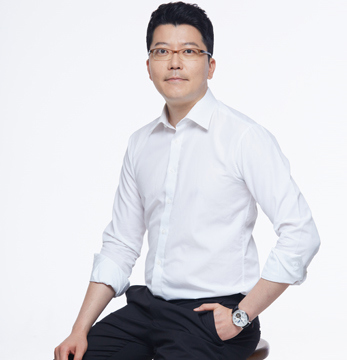
Dr. Karam Kim Director & Board-Certified Plastic Surgeon
Dr. Karam Kim brings over 13 years of surgical and clinical experience to every aspect of patient care at Afternoon Plastic Surgery Clinic — including the clinic's injectable Botox treatments. As the founding director and sole treating physician, he personally administers every Botox treatment following a direct consultation and full facial expression pattern assessment — ensuring that every muscle relaxation decision is informed by a surgical-level understanding of facial anatomy, muscle function, and the relationship between individual treatment areas and the face as a whole.
His professional credentials reflect both clinical depth and sustained academic engagement:
Former Director, Make Plastic Surgery Clinic
Former Director, Noblesse Plastic Surgery Clinic
Life Member, Korean Society of Plastic and Reconstructive Surgeons (KSPRS)
Regular Member, Korean Society of Aesthetic Plastic Surgery (KSAPS)
Regular Member, Korean Society of Craniofacial Plastic & Reconstructive Surgery
Regular Member, Minimally Invasive Plastic Surgery Research Group of the KSPS
Official Tune Face Certified Provider
Official Candela Certified Clinic
Youth Heal Development Partner
Appointed Consultant, Naver Knowledge IN — Health & Medicine
The periocular area — the zone around the eye treated by crow's feet Botox and brow position adjustment — sits directly within Dr. Kim's primary surgical specialty. His 13 years of surgical focus on the eye and surrounding soft tissue give him an unusually detailed understanding of the orbicularis oculi muscle, the brow depressor complex, the relationship between brow position and upper eyelid appearance, and the subtle anatomical variations that determine safe and effective periocular Botox placement. This level of periocular anatomical knowledge is directly relevant to the quality and precision of Botox treatment in this zone — and is genuinely rare among non-surgical injectable providers. At Afternoon, periocular Botox is not a standard injectable service: it is a treatment informed by specialist surgical expertise applied at the anatomical level where that expertise matters most.
Botox Treatment Areas and Expected Improvements
Afternoon Plastic Surgery Clinic's approach to Botox treatment addresses the full range of dynamic wrinkle concerns and facial shape refinement applications — with placement planned individually based on each patient's muscle activity assessment and proportional findings.
Forehead — Dynamic Line Reduction and Natural Movement Preservation: Forehead lines — the horizontal creases that form from repeated upward brow movement — are among the most common and most successfully treated dynamic wrinkle concerns. Botox placed precisely into the frontalis muscle reduces the contractile activity responsible for forehead line formation while preserving the natural ability to raise the brows and express surprise or interest. The challenge in forehead Botox is calibrating the dose and placement to achieve line softening without the heavy, immobile brow appearance that results from excessive frontalis relaxation — a balance that requires genuine understanding of individual muscle anatomy and brow position rather than standardized dosing. At Afternoon, forehead Botox is planned in the context of the patient's brow position, brow mobility, and the relationship between forehead muscle activity and upper eyelid appearance — ensuring the result looks naturally relaxed rather than treated. Patients typically notice a progressive softening of forehead lines over the 3–7 days following injection, with the full result apparent as the muscle relaxation effect reaches its peak.
Glabella — Frown Line Treatment and Brow Spacing Improvement: Frown lines — the vertical creases between the brows caused by repeated corrugator and procerus muscle activation — create an impression of concentration, displeasure, or fatigue that many patients find inconsistent with how they feel or want to appear. Botox placed into the glabellar muscles responsible for these lines reduces the inward brow movement that creates them, softening the vertical creases and improving the overall impression of the brow area. In patients where frown muscle activity is also contributing to a low or heavy brow position, targeted glabellar Botox can contribute to a subtle brow lift as an additional benefit of the muscle relaxation. The degree of frown line reduction is calibrated individually based on the depth of the creases, the patient's muscle strength, and their preference for degree of relaxation versus expression preservation.
Crow's Feet — Periocular Expression Line Softening: Crow's feet — the radiating lines at the outer corner of the eyes that form from repeated orbicularis oculi contraction during smiling and squinting — are among the most visually apparent signs of facial aging in the periocular zone. Botox placed precisely into the lateral orbicularis oculi reduces the contraction responsible for crow's feet formation while preserving the natural squinting and smiling expression that makes the treatment look natural rather than frozen. At Afternoon, crow's feet Botox placement is informed by Dr. Kim's surgical-level expertise in periocular anatomy — ensuring that injection placement accounts for the precise muscle anatomy of the individual patient's orbital rim zone and avoids the anatomical pitfalls that can produce bruising, ptosis, or asymmetry in less experienced hands. Patients typically notice a meaningful softening of the lateral eye lines as the muscle relaxation effect develops, with the crow's feet less prominent in expression and significantly reduced at rest.
Masseter — Facial Slimming and Lower Face Refinement: Masseter Botox — injection of botulinum toxin into the masseter muscle of the jaw — reduces the bulk of this muscle progressively over the weeks following treatment, creating a slimmer and more refined lower facial profile in patients whose wide or square jaw is caused by masseter hypertrophy rather than bone structure. The slimming effect develops gradually as the reduced muscle activity leads to muscle atrophy — producing a more oval and proportionate facial shape that looks natural rather than surgically altered. Masseter Botox is planned in the context of the patient's overall lower facial proportions, including the jawline, chin, and neck relationship — ensuring the degree of slimming is appropriate to the individual face rather than simply reducing the masseter without regard for the overall lower facial balance.
Brow Position — Adjustment, Lift, and Symmetry Improvement: Targeted Botox placement in the brow depressor muscles — including the corrugator, procerus, and the lateral portion of the orbicularis oculi — can elevate a low or heavy brow, improve bilateral brow symmetry, and contribute to a more open and rested upper eye area appearance. Brow Botox is particularly relevant at Afternoon given the clinic's primary surgical focus on the eye and eyelid — where the relationship between brow position and upper eyelid appearance is a central design consideration. For patients who have undergone upper eyelid surgery, brow position Botox can complement the surgical result by optimizing the height and symmetry of the brow above the corrected eyelid. Brow position adjustment through Botox is planned in direct relation to the individual patient's natural brow position, the degree of asymmetry present, and the relationship between the brow and the upper eyelid.
Individual results vary depending on muscle strength, facial anatomy, the specific treatment areas addressed, and individual response to botulinum toxin. No treatment outcome can be guaranteed, and realistic expectations are established transparently during the pre-treatment consultation with Dr. Kim.
The Botox Treatment Process at Afternoon Plastic Surgery Clinic
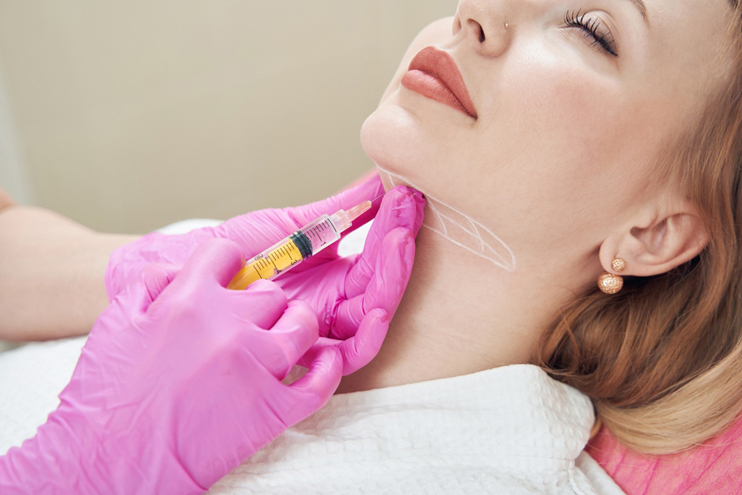
The Botox treatment process at Afternoon is structured around a genuine facial and expression pattern assessment before any injection decision is made — ensuring that every muscle relaxation choice is grounded in the individual patient's specific anatomy and goals rather than a standard area-based protocol.
Step 1 — Personal Consultation and Full Facial Expression Assessment
The treatment process begins with a direct, in-depth consultation with Dr. Kim, during which the patient's dynamic wrinkle patterns, facial muscle activity, expression habits, facial proportions, and specific treatment goals are assessed in detail. The relationship between different facial muscle groups — how forehead activity relates to brow position, how crow's feet relate to the upper eyelid, how masseter bulk relates to overall lower facial proportion — is evaluated as a whole before any individual treatment area is selected. For international patients, a preliminary remote assessment using facial photographs and expression videos can be arranged before travel.
Step 2 — Individualized Botox Plan and Dosage Determination
Following the full facial assessment, Dr. Kim develops a precise Botox treatment plan — specifying the treatment areas, injection points, depth, and dosage appropriate to each muscle group based on the individual patient's anatomy and goals. Dosage is calibrated individually to achieve the intended degree of muscle relaxation while preserving the natural expression movement the patient wants to maintain — avoiding both under-treatment that produces inadequate improvement and over-treatment that restricts natural facial expression.
Step 3 — Botox Treatment Administration
The Botox treatment is administered personally by Dr. Kim, with injections placed precisely according to the individualized treatment plan. The treatment is completed quickly with minimal discomfort — fine needle injections produce a brief sensation at each injection point — and requires no recovery period. Patients can return to normal activities immediately following the session. Results develop progressively over the 3–7 days following injection as the botulinum toxin takes effect at the targeted muscle sites.
Step 4 — Post-Treatment Follow-Up and Results Assessment
Following treatment, Dr. Kim is directly accessible for any post-treatment questions. A follow-up assessment is available to evaluate the muscle relaxation result and determine whether any minor adjustment would benefit the individual patient's outcome — addressing any areas where the degree of relaxation could be refined. For patients combining Botox with filler, skin booster, or surgical procedures, follow-up is coordinated across all aspects of care.
Results, Safety, and Longevity of Botox Treatment
Botox results develop progressively over the 3–7 days following injection, with the full muscle relaxation effect apparent within approximately 2 weeks of treatment. The degree of wrinkle softening and facial refinement reflects the individual dosage and placement plan — with results that look naturally relaxed when planned with genuine proportional awareness and expression pattern assessment.
The duration of Botox results varies depending on the treatment area, the dosage administered, and the individual patient's rate of botulinum toxin metabolism — typically ranging from approximately 3 to 6 months. Repeated treatment at appropriate intervals maintains the muscle relaxation effect and can contribute to a gradual reduction in the depth of dynamic wrinkles over time, as the muscle is given less opportunity to crease the overlying skin repeatedly.
The safety profile of Botox at Afternoon reflects both the well-established safety record of botulinum toxin as an aesthetic treatment and the clinical standard applied by a board-certified plastic surgeon administering every treatment personally. Dr. Kim's surgical-level anatomical knowledge — particularly in the periocular zone — directly reduces the risk of anatomically avoidable complications such as brow ptosis or asymmetry in the eye area. As with any injectable procedure, possible side effects include mild redness, bruising, or swelling at injection sites, and a low risk of temporary asymmetry or under or over-relaxation of targeted muscles. All treatment details, potential side effects, and realistic outcome expectations are discussed openly during the pre-treatment consultation. Afternoon does not make guarantees about specific outcomes; the clinic's commitment is to a standard of expression-pattern assessment, anatomically informed placement, and direct physician administration that gives every patient the strongest possible foundation for a naturally refreshed and appropriately relaxed result.
Why Choose Afternoon Plastic Surgery Clinic for Botox Treatment?
The clinical value of Botox treatment is determined almost entirely by the quality of the assessment that precedes the injection and the anatomical precision of the placement that follows. At Afternoon Plastic Surgery Clinic, both are provided by a board-certified plastic surgeon with over 13 years of clinical experience and a specialized focus on the periocular region — the most anatomically demanding zone for Botox placement and the area most directly relevant to the clinic's primary surgical specialty.
Dr. Kim's full facial expression pattern assessment, his design-led treatment planning philosophy, and his personal administration of every treatment ensure that Botox at Afternoon is always planned and delivered with a level of individual attention and anatomical understanding that goes well beyond what standard injectable aesthetic clinics can offer. For patients who have undergone eye surgery at Afternoon or who are primarily interested in periocular Botox — crow's feet reduction, brow position adjustment, or periocular line softening — the clinic's surgical-level expertise in the surrounding anatomy represents a genuinely meaningful clinical advantage.
Why patients choose Afternoon for Botox treatment:
Administered by board-certified plastic surgeon — full anatomical expertise applied to every injection
Full expression pattern assessment before every treatment — placement planned in context of individual muscle anatomy
Periocular surgical expertise — specialist-level anatomical knowledge for crow's feet and brow Botox
Natural expression preserved — dosage calibrated to soften without freezing
No downtime — treatment completed with immediate return to normal activities
Patient Experiences: Botox Treatment at Afternoon
Botox Patient, 40s — Forehead Lines and Frown Lines With Brow Asymmetry
A patient in her early forties presented with deepening forehead lines, prominent frown lines between the brows, and a slight asymmetry in brow height that had become more noticeable as the surrounding muscles had become more active with age. Following a full facial expression assessment with Dr. Kim, a Botox plan was developed addressing the forehead, glabella, and brow depressor muscles on the lower side — softening the dynamic lines while simultaneously improving brow symmetry and contributing to a more open and rested upper eye appearance. At follow-up, the patient described looking noticeably more refreshed without appearing to have had treatment.
Botox Patient, 30s — Masseter Reduction and Crow's Feet Treatment
This patient sought a combination of masseter Botox for lower facial slimming and crow's feet treatment to address the lateral eye lines that had become prominent during expression. Dr. Kim assessed the masseter bulk in the context of the patient's overall lower facial proportions and planned a masseter reduction dosage calibrated to produce a meaningful slimming effect without over-reducing the muscle. Crow's feet Botox was placed with periocular precision informed by Dr. Kim's surgical anatomy knowledge. At follow-up, the patient noted a progressively slimmer lower facial profile and a significant softening of the lateral eye lines during expression.
Ready to Soften Wrinkles and Refine Your Facial Shape? Book a Consultation at Afternoon
If dynamic wrinkles, facial heaviness from masseter bulk, low or asymmetrical brows, or periocular expression lines are affecting the way your face looks and feels — and you want a Botox result that looks naturally refreshed rather than treated or frozen — Afternoon Plastic Surgery Clinic offers a proportionally grounded, expression-pattern-assessed approach to injectable botulinum toxin that is administered personally by a board-certified plastic surgeon with specialist-level periocular anatomical expertise. Dr. Karam Kim will personally evaluate your facial muscle activity patterns, develop a Botox plan tailored to your individual anatomy and goals, and administer the treatment with the precision and personal attention that distinguishes Afternoon from standard injectable aesthetic providers.
[Book Your Botox Consultation Today]
Whether you are attending for standalone Botox treatment, combining Botox with filler or skin booster in a single visit, or incorporating non-surgical treatment alongside a surgical procedure at Afternoon, the clinic team is ready to assess your concerns and develop a plan built entirely around your facial anatomy and expression patterns. Contact the Afternoon Plastic Surgery Clinic appointment desk to arrange your consultation — and take the first step toward a naturally refreshed facial appearance with wrinkle softening and facial refinement that looks entirely your own.
Other Services
Explore additional treatments offered by our specialists.

Male Eye Surgery
Male eye surgery encompasses the same range of primary eyelid procedures available to female patients — double eyelid creation, ptosis correction, sagging skin removal, epicanthoplasty, and under-eye correction — but approaches each with a design philosophy and surgical
Learn More

Canthoplasty
Canthoplasty is a surgical procedure that modifies the inner corner, outer corner, or both corners of the eye to adjust the apparent width, shape, tilt, or definition of the eye.
Learn More
Skin Booster
A skin booster is an injectable aesthetic treatment that delivers moisturizing and hydrating agents — typically hyaluronic acid-based formulations — directly into the dermis, the deeper layer of the skin where cellular hydration, collagen support, and skin quality are determined.
Learn More