Gangnam Eye & Eye Revision Surgery Specialist · Personalized 1:1 Care


First-Time Eye Surgery · Needs Clinic Confirmation
Canthoplasty
Canthoplasty is a surgical procedure that modifies the inner corner, outer corner, or both corners of the eye to adjust the apparent width, shape, tilt, or definition of the eye.
Schedule a Consultation
What Is Canthoplasty and How Does It Work?
Canthoplasty is a surgical procedure that modifies the inner corner, outer corner, or both corners of the eye to adjust the apparent width, shape, tilt, or definition of the eye. Depending on which corner is addressed and what change is intended, canthoplasty encompasses several distinct surgical approaches — each targeting a specific anatomical structure at the corner of the eye to produce a defined and proportionally appropriate result.
Medial canthoplasty — also referred to as epicanthoplasty when it involves releasing the epicanthal fold — addresses the inner corner of the eye. In patients where the epicanthal fold partially covers the inner corner, releasing or reshaping this fold can widen the apparent horizontal extent of the eye, reduce the inter-eye distance, and create a more defined inner corner contour. The degree of inner corner modification is planned individually based on the patient's natural inter-eye spacing and the overall proportional balance of the face — as an inner corner correction that is too aggressive can produce an unnatural appearance regardless of technical execution.
Lateral canthoplasty addresses the outer corner of the eye, modifying the lateral canthal tendon and surrounding tissue to adjust the apparent width, tilt, or definition of the outer eye zone. An outer corner correction can extend the horizontal width of the eye, adjust a downward or upward tilt, or refine the definition of the outer corner for a more clearly contoured eye shape. As with the inner corner, the degree of outer corner modification is always assessed against the patient's natural eye width, facial proportions, and the overall balance between the two eyes before a design is finalized.
At Afternoon Plastic Surgery Clinic, canthoplasty is never designed in isolation. Dr. Kim assesses ideal eye dimensions against the whole face — including horizontal width of approximately 2.7 to 3cm, vertical height of approximately 8 to 10mm, iris exposure of approximately 80 to 90%, brow-to-eyelid distance of approximately 1.5 to 2cm, and outer corner angle — before determining what degree of corner modification will produce a result that enhances rather than exaggerates. The goal is always an eye shape that looks naturally proportionate to the face it belongs to.
Who Is a Candidate for Canthoplasty?
Canthoplasty is recommended for patients who want to adjust the width, shape, tilt, or definition of their eye corners — whether through inner corner modification, outer corner correction, or a combination of both. A thorough pre-surgical consultation with Dr. Karam Kim is the recommended first step, as the appropriate type and degree of corner correction depends entirely on the individual patient's facial proportions, natural eye dimensions, and specific aesthetic goals.
Ideal candidates for canthoplasty include:
Patients in their 20s–50s who want to create a wider, more defined, or more proportionally balanced eye shape through inner or outer corner surgery
Those with an epicanthal fold that partially covers the inner corner, making the eye appear narrower or the inter-eye distance appear wider than it naturally is
Patients whose eyes appear narrow horizontally and who want a more open, wider-looking eye shape through outer corner extension
Individuals with a downward or upward eye tilt at the outer corner that they wish to adjust for a more balanced or refined overall eye impression
Those with blunt or undefined inner corners that give the eye a less distinct or less open appearance
Patients who want to reduce the apparent inter-eye distance through precise inner corner modification proportional to their facial width
Those seeking combined canthoplasty and double eyelid surgery for a comprehensive first-time eye shape correction
International patients considering corner surgery who want remote pre-consultation by photograph before making travel arrangements
If you are considering canthoplasty for the first time and are unsure whether inner corner, outer corner, or combined correction is the right approach for your facial proportions, a direct consultation with Dr. Karam Kim will provide a clear, anatomy-based recommendation tailored specifically to your individual eye dimensions and goals.
Meet the Specialist in Canthoplasty: Dr. Karam Kim

Dr. Karam Kim Director & Board-Certified Plastic Surgeon
Dr. Karam Kim has devoted 13 years and more than 10,000 eye surgery cases entirely to the eye — making him one of the most experienced eye-focused plastic surgeons practicing in Korea today. As the founding director and sole operating surgeon at Afternoon Plastic Surgery Clinic, he personally conducts every consultation, designs every surgical plan, and performs every procedure — assessing not just the surgical area but the patient's natural expressions, facial movements, and subtle proportional characteristics that shape how the eye corners interact with the face as a whole.
His professional credentials reflect both clinical depth and sustained academic engagement:
Former Director, Make Plastic Surgery Clinic
Former Director, Noblesse Plastic Surgery Clinic
Life Member, Korean Society of Plastic and Reconstructive Surgeons (KSPRS)
Regular Member, Korean Society of Aesthetic Plastic Surgery (KSAPS)
Regular Member, Korean Society of Craniofacial Plastic & Reconstructive Surgery
Member, Eye Plastic Surgery Research Group of the KSPS
Regular Member, KSIPS Rhinoplasty, Breast Surgery & Minimally Invasive Surgery Research Societies
Appointed Consultant, Naver Knowledge IN — Health & Medicine
Canthoplasty is a procedure where the difference between a natural result and an overcorrected one is determined by design — specifically by how well the corner modification is planned in relation to the face as a whole rather than the corner in isolation. Dr. Kim's proportional design philosophy, his commitment to assessing every eye dimension against the full facial structure before finalizing any surgical plan, and his personal performance of every procedure ensure that canthoplasty at Afternoon is always an exercise in facial harmony rather than a technical modification applied without context. His core philosophy — finding and realizing the most beautiful version of what is already naturally there — guides every corner surgery he designs and performs.
Canthoplasty Treatment Areas and Expected Improvements

Afternoon Plastic Surgery Clinic's approach to canthoplasty addresses both the inner and outer corners of the eye through individually designed surgical corrections, each planned in direct relation to the patient's full facial proportions and natural eye dimensions.
Inner Corner — Medial Canthoplasty and Epicanthoplasty: Inner corner surgery addresses the medial aspect of the eye — releasing or reshaping the epicanthal fold where present and modifying the inner corner contour to create a more defined, open, and proportionally balanced inner eye zone. The degree of inner corner modification is planned precisely against the patient's natural inter-eye distance and facial width — with the goal of enhancing the apparent eye width and inner corner definition in a way that looks proportionate rather than exaggerated. Patients typically experience an improvement in the perceived horizontal width of the eye, a reduction in the apparent inter-eye distance where indicated, and a more clearly defined inner corner contour as healing progresses. The inner corner zone is anatomically delicate and the precision of the incision design and suturing technique directly influences both the aesthetic outcome and the character of any residual healing line.
Outer Corner — Lateral Canthoplasty: Outer corner surgery modifies the lateral canthal tendon and surrounding tissue to adjust the horizontal width, tilt, or definition of the outer eye corner. Where the outer corner appears narrow, a lateral canthoplasty can extend the apparent width of the eye in a direction that enhances rather than distorts the overall eye shape. Where a downward tilt at the outer corner gives the eye a drooping or tired impression, a targeted correction can adjust the angle to create a more balanced and refined outer corner profile. The outer corner modification is always planned in the context of the patient's natural eye width and facial proportions — ensuring the correction looks like a proportional refinement rather than a structural alteration.
Combined Inner and Outer Corner Correction: In cases where both inner and outer corner modification are indicated — or where canthoplasty is combined with a double eyelid procedure for a comprehensive first-time eye shape correction — the full eye design is planned as a cohesive unit. The relationship between inner corner position, outer corner angle, fold height, and iris exposure is assessed simultaneously, ensuring that every element of the surgical design works together to produce an overall eye shape that is balanced, naturally proportioned, and genuinely suited to the patient's face.
Individual results vary depending on skin type, tissue condition, anatomical characteristics of the eye corners, healing response, and the specific correction performed. No surgical outcome can be guaranteed, and realistic expectations are established transparently during the pre-operative consultation with Dr. Kim.
The Canthoplasty Process at Afternoon Plastic Surgery Clinic
The canthoplasty process at Afternoon is structured around proportional design first — with every surgical decision grounded in a thorough assessment of the eye corners in relation to the face as a whole. Every step is performed by Dr. Karam Kim personally.
Step 1 — Personal Consultation and Full Facial Proportional Assessment
The surgical process begins with a direct consultation with Dr. Kim, during which the patient's eye dimensions are assessed against the full facial structure — including horizontal eye width, vertical eyelid height, inter-eye distance, iris exposure, brow-to-eyelid distance, outer corner angle, and natural facial proportions. The patient's natural expressions, habitual eyelid movements, and specific aesthetic goals are assessed alongside the anatomical measurements to ensure the surgical design reflects both the structural reality of the eye and the result the patient is hoping to achieve. International patients can initiate this process remotely by submitting photographs for Dr. Kim's review before travel is arranged.
Step 2 — Individualized Corner Design and Surgical Planning
Following the proportional assessment, Dr. Kim develops a precise surgical design specifying which corners are to be addressed, the degree of modification appropriate for the individual's facial proportions, the specific technique to be used at each corner, and how the corner correction relates to any additional procedures being performed in the same session. The design is marked on the eye corners and reviewed with the patient before surgery begins — with up to 20 minutes dedicated to design and marking as a clinical priority.
Step 3 — Corner Surgery and Intraoperative Symmetry Verification
The corner correction is performed precisely according to the pre-surgical design, with tissue modifications, suturing, and refinements made with millimeter-level precision. During surgery, the patient is seated upright at intervals so that Dr. Kim can assess the corner position, symmetry, and overall eye shape from a natural angle — identifying and correcting any areas requiring adjustment before the procedure is concluded. Any asymmetry identified during the seated check is addressed immediately, before the patient leaves the operating room.
Step 4 — Additional Customized Procedures and Post-Operative Care
Where the patient's overall eye design includes combined procedures — such as double eyelid surgery, ptosis correction, or lower eyelid fat repositioning — these are performed in the same session to achieve a cohesive and proportionally balanced overall result. Patients are discharged the same day. Mild swelling and bruising are expected in the first few days and typically resolve within approximately 5 days. Stitches are removed at 5–7 days post-procedure. Any asymmetry identified during the post-operative period is addressed and corrected within two weeks.
Results, Safety, and Longevity of Canthoplasty
When planned with genuine proportional awareness and performed with the precision that defines Afternoon's approach, canthoplasty produces corner modifications that look like natural enhancements of the eye rather than structural alterations. The inner and outer corner positions, adjusted according to the individual pre-surgical design, are intended to hold their corrected positions consistently over the long term — with the surgical changes integrating naturally into the surrounding tissue as healing progresses and stabilizes over the weeks and months following surgery.
The safety profile of canthoplasty at Afternoon reflects the clinic's deliberate, unhurried surgical philosophy. With a strict limit of two surgeries per day, Dr. Kim operates without time pressure — giving each corner design and correction the complete proportional focus it requires. Sedation and local anesthesia are used throughout, keeping the patient comfortable while minimizing systemic risk.
As with any surgical procedure, possible side effects following canthoplasty include temporary swelling, bruising, mild discomfort, and a low risk of infection or healing irregularity. The inner corner zone in particular is subject to ongoing skin tension during facial movement, which can influence the character of the healing line — and this is addressed through precise incision design and refined suturing technique as a standard part of Dr. Kim's surgical approach. Serious complications are rare but remain possible, and all risks are discussed openly and transparently during the pre-operative consultation. Afternoon does not make guarantees about specific outcomes; the clinic's commitment is to a standard of proportional design precision, individualized surgical planning, and real-time intraoperative verification that gives every patient the strongest possible foundation for a naturally enhanced eye shape.
Why Choose Afternoon Plastic Surgery Clinic for Canthoplasty?
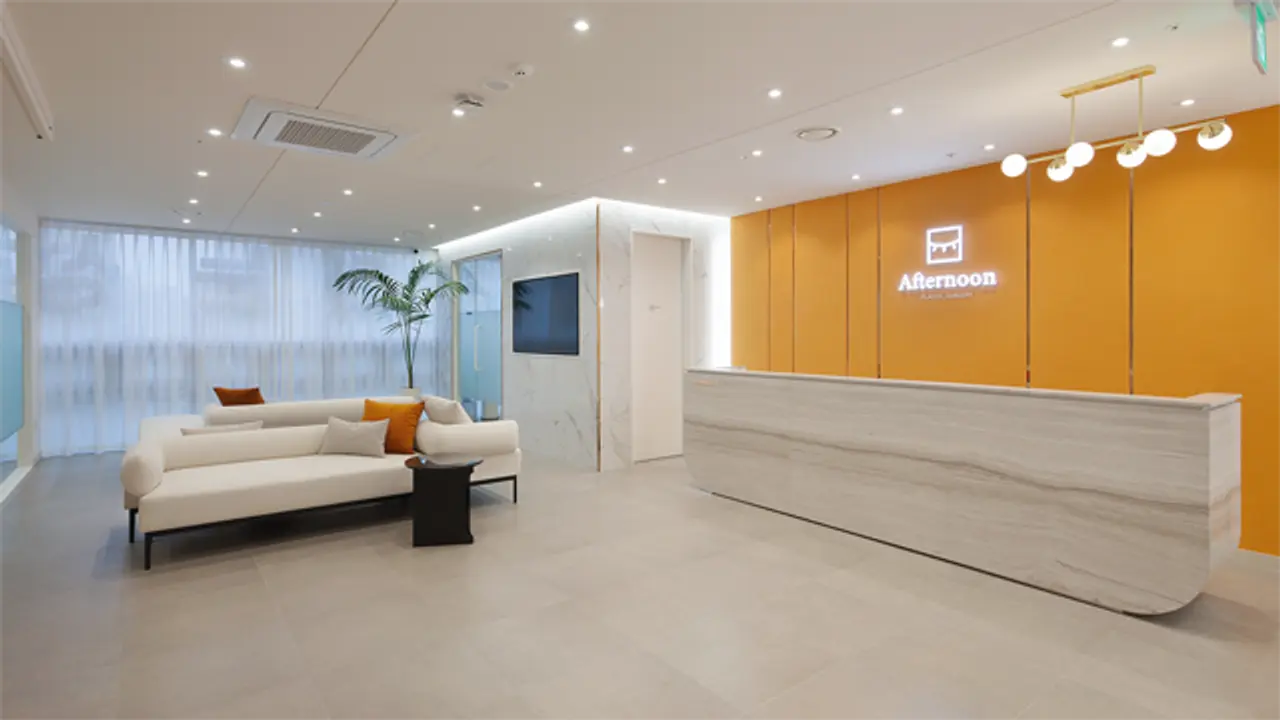
Canthoplasty is a procedure where getting the design right matters more than almost any other factor — because a corner modification that is technically well executed but proportionally misjudged will produce a result that looks altered rather than enhanced. Afternoon Plastic Surgery Clinic's proportional design-first philosophy, applied consistently across 13 years and more than 10,000 eye surgery cases by a surgeon who focuses exclusively on the eye, means that every canthoplasty performed at the clinic is grounded in a thorough understanding of how the corner modification will interact with the patient's full facial structure — not just the corner in isolation.
Dr. Karam Kim leads every aspect of patient care personally — from the initial proportional assessment through the intraoperative seated symmetry check to the final post-operative follow-up. The clinic's two-surgeries-per-day policy ensures that every canthoplasty case receives the unhurried, complete design attention it demands. And the standing guarantee that post-operative asymmetry will be corrected within two weeks gives every patient a clear and supported path forward from surgery through to the final settled result.
Why patients choose Afternoon for canthoplasty:
Exclusive eye surgery specialization — proportional corner surgery expertise no generalist clinic can match
13 years and 10,000+ cases — concentrated entirely in eye surgery
Proportional design before every procedure — corner modification always assessed against full facial dimensions
Dr. Karam Kim performs every surgery personally — no delegation at any stage
Post-operative asymmetry corrected within 2 weeks — a standing clinic commitment to every patient
Patient Experiences: Canthoplasty at Afternoon
Canthoplasty Patient, 20s — Inner Corner Correction for Narrow Eye Appearance
This patient presented with an epicanthal fold that partially covered her inner corners, giving her eyes a narrower appearance than her facial proportions suggested was natural. Following a full proportional assessment with Dr. Kim, a medial canthoplasty was designed and performed to release the epicanthal fold and create a more defined inner corner at a degree of modification proportionate to her inter-eye distance and facial width. During surgery, the patient was shown a mirror to evaluate the inner corner correction in real time before the procedure concluded. As healing progressed, the inner corners settled into a naturally open and clearly defined appearance that enhanced rather than altered the character of her eyes.
Canthoplasty Patient, 30s — Combined Inner and Outer Corner Correction
This patient sought both inner and outer corner modification to address a narrow overall eye shape and a slight downward tilt at the outer corners. Dr. Kim performed a combined medial and lateral canthoplasty in a single session, designing the full correction as a cohesive unit against the patient's facial proportions. The intraoperative seated symmetry check confirmed bilateral balance and corner position before the procedure concluded. The completed result provided a wider, more defined eye shape with a naturally balanced outer corner angle — proportionate to the patient's face and consistent in character with the eye shape she had described during consultation.
Ready to Refine Your Eye Corners? Start With a Consultation at Afternoon
If you are considering canthoplasty for the first time and want a result that is proportionally designed, naturally integrated, and performed with the personal precision your eyes deserve, Afternoon Plastic Surgery Clinic offers the design-led expertise and eye-specific experience to help you achieve an eye shape that enhances what is already naturally yours. Dr. Karam Kim will personally assess your eye corner anatomy and full facial proportions, confirm the most appropriate type and degree of corner correction, and design a surgical plan built entirely around your individual face and aesthetic goals.
[Book Your Canthoplasty Consultation Today]
Whether you are based locally or planning to travel from abroad, Afternoon Plastic Surgery Clinic offers remote pre-consultation by photograph submission so that your proportional assessment can begin before your travel is arranged. Take the first step toward eye corners that look naturally refined, proportionally balanced, and genuinely suited to your face — designed with 1mm precision and performed by a dedicated eye surgery specialist with over a decade of focused experience.
Other Services
Explore additional treatments offered by our specialists.

Male Eye Surgery
Male eye surgery encompasses the same range of primary eyelid procedures available to female patients — double eyelid creation, ptosis correction, sagging skin removal, epicanthoplasty, and under-eye correction — but approaches each with a design philosophy and surgical
Learn More
Canthoplasty
Canthoplasty is a surgical procedure that modifies the inner corner, outer corner, or both corners of the eye to adjust the apparent width, shape, tilt, or definition of the eye.
Learn More

Skin Booster
A skin booster is an injectable aesthetic treatment that delivers moisturizing and hydrating agents — typically hyaluronic acid-based formulations — directly into the dermis, the deeper layer of the skin where cellular hydration, collagen support, and skin quality are determined.
Learn More