Gangnam Eye & Eye Revision Surgery Specialist · Personalized 1:1 Care

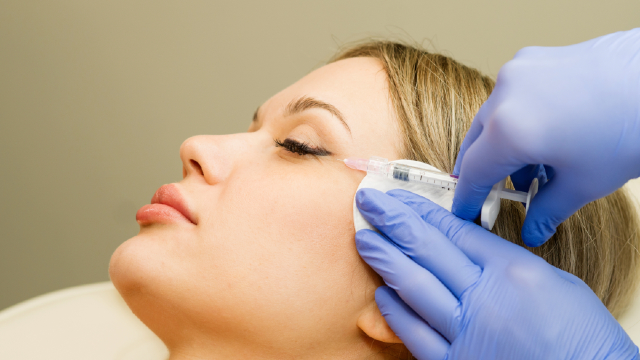
First-Time Eye Surgery · Needs Clinic Confirmation
Lower Eyelid Fat Repositioning
Lower eyelid fat repositioning is a surgical procedure that addresses under-eye puffiness, dark circles, and tear trough hollowing by redistributing the orbital fat that has prolapsed forward beneath the lower eyelid — creating the visible bulging and shadowing that gives the under-eye area a tired, swollen, or aged appearance.
Schedule a Consultation
What Is Lower Eyelid Fat Repositioning and How Does It Work?
Lower eyelid fat repositioning is a surgical procedure that addresses under-eye puffiness, dark circles, and tear trough hollowing by redistributing the orbital fat that has prolapsed forward beneath the lower eyelid — creating the visible bulging and shadowing that gives the under-eye area a tired, swollen, or aged appearance. Rather than removing the fat — an approach that can create a hollowed, overly gaunt under-eye appearance as the surrounding volume decreases over time — fat repositioning preserves the existing volume and redistributes it precisely to smooth the bulge and fill the tear trough depression in a single procedure.
The anatomy behind lower eyelid puffiness is straightforward: the orbital fat that cushions the eye within the eye socket is held in place by a thin membrane. When this membrane weakens — whether due to genetics, aging, or structural predisposition — the fat pushes forward and creates the visible bulge beneath the lower eyelid. The junction between this fat bulge and the cheek below it creates a shadow that is perceived as a dark circle, even in the absence of true skin pigmentation. By repositioning the prolapsed fat downward and forward — filling the tear trough and smoothing the lower eyelid to cheek transition — fat repositioning addresses both the bulge and the shadow simultaneously, creating a fresher and more rested under-eye appearance without the hollowness that fat removal can produce.
At Afternoon Plastic Surgery Clinic, lower eyelid fat repositioning is performed through a small incision made carefully inside the lower eyelid — a transconjunctival approach that leaves no visible external scar. The protruding fat is gently mobilized and redistributed evenly beneath the eye according to a precise pre-surgical plan, with meticulous attention to minimizing damage to the surrounding orbicularis muscle and soft tissues. This muscle-preserving approach supports a more comfortable recovery and helps maintain the natural contour and movement of the lower eyelid following the procedure.
Who Is a Candidate for Lower Eyelid Fat Repositioning?
Lower eyelid fat repositioning is recommended for patients who experience persistent under-eye puffiness, dark circles, or tear trough hollowing that is caused or significantly contributed to by prolapsed orbital fat rather than by skin laxity or pigmentation alone. A thorough pre-surgical consultation with Dr. Karam Kim is the recommended first step, as the most appropriate treatment approach depends on the specific anatomical cause of each patient's under-eye concerns.
Ideal candidates for lower eyelid fat repositioning include:
- Patients in their 20s–50s with visible under-eye fat bulging that creates a persistently tired, swollen, or puffy appearance
- Those with dark circles caused primarily by the shadow of fat bulging rather than by skin pigmentation — where repositioning the fat will reduce the shadowing effect
- Patients with deep tear troughs — the groove between the lower eyelid and the cheek — that creates a hollowed or sunken under-eye appearance
- Individuals whose under-eye puffiness has a structural, genetic basis and has been present since a relatively young age
- Those who want to preserve their natural under-eye volume rather than risk the hollowed appearance that can result from fat removal
- Patients who prefer a minimal-incision approach with no external scarring and a relatively comfortable recovery
- Those seeking a long-lasting structural solution to under-eye puffiness rather than repeated temporary filler treatments
- Patients who want to address lower eyelid concerns as part of a comprehensive first-time eye surgery plan that may also include upper eyelid or double eyelid procedures
If you are unsure whether your dark circles or under-eye puffiness are primarily caused by fat prolapse, pigmentation, skin laxity, or a combination of factors, a direct consultation with Dr. Karam Kim will provide a clear anatomical assessment and an honest recommendation tailored to your specific under-eye structure.
Meet the Specialist in Lower Eyelid Fat Repositioning: Dr. Karam Kim

Dr. Karam Kim Director & Board-Certified Plastic Surgeon
Dr. Karam Kimhas structured his entire surgical career around focused, structure-first expertise in eye surgery. As the founding director and sole operating surgeon at Afternoon Plastic Surgery Clinic, he personally conducts every consultation, designs every surgical plan, and performs every procedure — assessing not just the anatomical measurements of the lower eyelid but the individual's natural facial structure, the specific character of the fat prolapse, and the tear trough geometry that will determine how the repositioned fat needs to be distributed to achieve a natural and smoothly contoured result.
His professional credentials reflect both clinical depth and sustained academic engagement:
- Former Director, Make Plastic Surgery Clinic
- Former Director, Noblesse Plastic Surgery Clinic
- Life Member, Korean Society of Plastic and Reconstructive Surgeons (KSPRS)
- Regular Member, Korean Society of Aesthetic Plastic Surgery (KSAPS)
- Regular Member, Korean Society of Craniofacial Plastic & Reconstructive Surgery
- Member, Eye Plastic Surgery Research Group, KSPS
- Regular Member, KSIPS Rhinoplasty, Breast Surgery & Minimally Invasive Surgery Research Societies
- Regular Member, Korean Society for Stem Cell Treatment
- Appointed Consultant, Naver Knowledge IN — Health & Medicine
Lower eyelid fat repositioning demands a precise understanding of orbital anatomy and a refined surgical touch — the difference between an evenly redistributed fat pad that creates a smooth, naturally contoured under-eye and one that creates irregularity or residual bulging is a matter of millimeter-level precision in how the fat is mobilized and placed. Dr. Kim's design-first philosophy — and his commitment to performing every procedure personally, without time pressure — ensures that lower eyelid fat repositioning at Afternoon is approached with the same level of anatomical care and individual attention as the clinic's most complex revision cases.
Lower Eyelid Fat Repositioning: Treatment Areas and Expected Improvements

Afternoon Plastic Surgery Clinic's approach to lower eyelid fat repositioning addresses the full range of anatomical concerns that contribute to a tired or swollen under-eye appearance, with treatment tailored to the specific fat distribution, tear trough geometry, and contour goals of each individual patient.
- Lower Eyelid — Under-Eye Fat Bulge Reduction: The primary focus of lower eyelid fat repositioning is the reduction of the visible fat bulge beneath the lower eyelid that creates the puffy, swollen appearance characteristic of prolapsed orbital fat. Rather than excising the fat — which removes volume from the under-eye zone and can create a hollowed appearance — the procedure mobilizes and redistributes the prolapsed fat evenly across the lower eyelid floor, eliminating the forward bulge while preserving the natural volume of the periorbital area. Patients typically notice a progressive smoothing of the under-eye bulge as post-operative swelling resolves, with the redistributed fat settling into a naturally contoured position as healing stabilizes. The degree of improvement depends on the amount of fat prolapse, the individual's tissue response, and the specific redistribution achieved during surgery.
- Tear Trough — Volume Restoration and Contour Smoothing: A significant component of the tired under-eye appearance in many patients is not just the fat bulge itself but the tear trough depression immediately below it — the groove between the lower eyelid and the cheek that creates a shadow and accentuates the bulge above it. By repositioning the prolapsed fat downward into the tear trough zone, fat repositioning fills this depression and smooths the lower eyelid-to-cheek transition — reducing the shadowing effect that contributes to the appearance of dark circles and creating a fresher, more continuous contour between the lower eyelid and the upper cheek. This dual effect — bulge reduction above and volume restoration below — is the primary reason fat repositioning produces a more naturally refreshed result than fat removal alone.
- Under-Eye Zone — Dark Circle Improvement: For patients whose dark circles are primarily caused by the shadow cast by the lower eyelid fat bulge rather than by intrinsic skin pigmentation, lower eyelid fat repositioning can produce a meaningful improvement in the perceived darkness beneath the eyes. By eliminating the structural bulge that creates the shadow and smoothing the tear trough that deepens it, the procedure reduces the contrast between the lower eyelid and the cheek — brightening the under-eye zone without the need for pigmentation-targeted treatments. Patients whose dark circles have a significant shadow component typically see the most noticeable improvement in this area following fat repositioning.
- Muscle Preservation — Comfortable Recovery and Natural Movement: Afternoon's fat repositioning technique is specifically designed to minimize damage to the orbicularis oculi muscle and surrounding soft tissues during the procedure. By preserving the integrity of the muscle layer, the technique supports a more comfortable post-operative recovery and helps maintain the natural movement and expression of the lower eyelid following surgery — reducing the risk of the stiffness or unnatural appearance that can result from procedures involving unnecessary muscle disruption.
Individual results vary depending on the amount of fat prolapse, tear trough depth, skin elasticity, healing response, and the specific redistribution achieved. No surgical outcome can be guaranteed, and realistic expectations are established transparently during the pre-operative consultation with Dr. Kim.
The Lower Eyelid Fat Repositioning Process at Afternoon Plastic Surgery Clinic
The fat repositioning process at Afternoon is structured around precise anatomical planning and a muscle-preserving surgical technique that prioritizes both the quality of the result and the comfort of the recovery. Every step is performed by Dr. Karam Kim personally.
Step 1 — Detailed Consultation and Under-Eye Assessment
The process begins with a thorough specialist consultation in which the patient's lower eyelid anatomy is assessed in detail — evaluating the degree and distribution of fat prolapse, the depth and geometry of the tear trough, the condition of the lower eyelid skin, and the specific nature of the dark circle or puffy appearance. The most suitable treatment approach is confirmed at this stage, and the pre-surgical plan specifies the degree of fat mobilization, redistribution target, and any additional procedures to be combined. Up to 20 minutes are dedicated to design and planning before any surgical step is initiated.
Step 2 — Minimal Internal Incision
A small, precise incision is made carefully inside the lower eyelid — a transconjunctival approach that avoids any external skin incision and leaves no visible scar on the lower eyelid surface. This approach provides direct access to the prolapsed orbital fat while minimizing disruption to the surrounding muscle and skin layers.
Step 3 — Precise Fat Redistribution and Repositioning
The prolapsed lower eyelid fat is carefully mobilized and redistributed evenly beneath the eye according to the pre-surgical plan — filling the tear trough, smoothing the lower eyelid floor, and eliminating the forward bulge that creates the tired, puffy appearance. The redistribution is performed with millimeter-level precision, ensuring the fat is placed evenly across the target zone without creating irregularity or residual fullness. The muscle-preserving technique minimizes disruption to the orbicularis layer throughout the procedure.
Step 4 — Completion and Post-Operative Care
Following fat redistribution, the internal incision is closed and the completed under-eye contour is assessed. Patients are discharged the same day. Mild swelling and bruising beneath the lower eyelid are expected in the first few days and typically resolve within the recovery window. Any asymmetry or irregularity identified during the post-operative period is addressed and corrected within two weeks — a standing commitment made by Afternoon Plastic Surgery Clinic to every patient.
Results, Safety, and Longevity of Lower Eyelid Fat Repositioning
Lower eyelid fat repositioning — when performed with the anatomical precision and volume-preserving approach that defines Afternoon's technique — is intended to produce a long-lasting improvement in under-eye contour. Because the procedure redistributes the existing orbital fat rather than removing it, the result maintains the natural volume of the under-eye zone as the face continues to age — avoiding the progressive hollowing that can make fat removal results look increasingly gaunt over time. The redistributed fat, repositioned to smooth the lower eyelid floor and fill the tear trough, is designed to settle into a naturally contoured position that holds its shape as the surrounding tissues stabilize.
The safety profile of lower eyelid fat repositioning at Afternoon reflects the clinic's deliberate, unhurried surgical philosophy. With a strict limit of two surgeries per day, Dr. Kim operates without time pressure — giving the precise fat redistribution the complete surgical focus it requires. The transconjunctival approach eliminates external incision risk, and the muscle-preserving technique minimizes disruption to the orbicularis layer — collectively supporting a recovery that is more comfortable and a result that maintains natural lower eyelid movement and expression.
As with any surgical procedure, possible side effects include temporary swelling, bruising, mild discomfort, and a low risk of infection or healing irregularity. Some patients may notice asymmetrical swelling between the two sides in the initial post-operative period; this typically resolves as healing progresses. Serious complications are rare but remain possible, and all risks are discussed openly during the pre-operative consultation. Afternoon does not make guarantees about specific outcomes; the clinic's commitment is to a standard of precise, volume-preserving fat redistribution and individualized care that gives every patient the strongest possible foundation for a naturally smooth and refreshed under-eye result.
Why Choose Afternoon Plastic Surgery Clinic for Lower Eyelid Fat Repositioning?
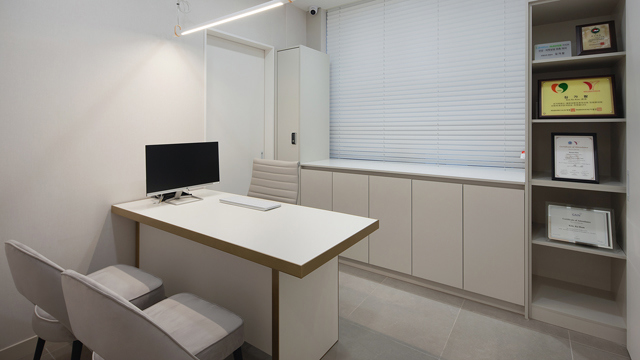
Lower eyelid fat repositioning requires a precise understanding of orbital fat anatomy and a surgical technique refined enough to redistribute volume evenly across the tear trough zone without creating irregularity — and that level of precision is most reliably developed through years of focused, eyelid-specific surgical experience. Afternoon Plastic Surgery Clinic's near-exclusive concentration on eye surgery means that lower eyelid fat repositioning is a core area of clinical expertise, approached with the same anatomical depth and individualized design philosophy that the clinic applies to every eyelid procedure.
Dr. Ga-ram Kim's volume-preserving approach — redistributing rather than removing the prolapsed fat — reflects a genuine understanding of how the under-eye zone ages and how preserving orbital volume contributes to a result that looks natural not just immediately after surgery but over the years that follow. His personal performance of every procedure, combined with the clinic's two-surgeries-per-day policy, ensures that every fat repositioning case receives the unhurried, complete surgical attention that millimeter-level fat redistribution genuinely demands.
Why patients choose Afternoon for lower eyelid fat repositioning:
- Exclusive eye surgery specialization — orbital fat anatomy expertise no generalist clinic can match
- Fat redistributed, not removed — volume-preserving technique for natural long-term results
- Muscle-preserving surgical approach — minimized tissue disruption for comfortable recovery
- Dr. Karam Kim performs every surgery personally — no delegation at any stage
- Post-operative asymmetry corrected within 2 weeks — a standing clinic commitment to every patient
Patient Experiences: Lower Eyelid Fat Repositioning at Afternoon
First-Time Surgery Patient, 20s — Under-Eye Fat Bulging With Shadow Dark Circles
A patient in her mid-twenties presented with visible under-eye fat bulging that had been present since her early twenties and created a persistent shadow-based dark circle that made her appear tired regardless of how rested she felt. Following a thorough lower eyelid assessment with Dr. Kim, fat repositioning was performed through a transconjunctival approach — redistributing the prolapsed fat evenly across the tear trough zone. As post-operative swelling resolved, the fat bulge smoothed significantly and the shadow contributing to the dark circle appearance reduced, producing a noticeably fresher and more rested under-eye appearance.
First-Time Surgery Patient, 30s — Deep Tear Trough With Puffy Lower Eyelid
This patient presented with a combination of lower eyelid fat bulging and a deep tear trough that created a hollowed, tired appearance beneath both eyes. Dr. Kim planned a fat repositioning procedure that specifically targeted the tear trough depression — mobilizing and redistributing the prolapsed fat downward to fill the groove and smooth the lower eyelid-to-cheek transition. The result was a progressively smoother and more continuously contoured under-eye area as healing stabilized, with the tear trough depression significantly reduced and the lower eyelid appearing naturally refreshed.
Ready to Refresh Your Under-Eye Area? Start With a Consultation at Afternoon
If persistent under-eye puffiness, dark circles, or deep tear troughs are making your eyes look tired regardless of how you feel, lower eyelid fat repositioning at Afternoon Plastic Surgery Clinic offers a precise, volume-preserving path to a naturally smoother and more refreshed under-eye appearance. Dr. Karam Kim will personally assess the anatomy of your lower eyelid, identify the specific cause of your under-eye concerns, and design a repositioning plan that addresses both the fat bulge and the tear trough in a single, carefully planned procedure — with no external scarring and a recovery designed to be as comfortable as possible.
[Book Your Lower Eyelid Fat Repositioning Consultation Today]
Take the first step toward an under-eye area that looks naturally smooth, well-rested, and genuinely refreshed. Contact the Afternoon Plastic Surgery Clinic team to arrange your direct consultation with Dr. Karam Kim — and discover what precise, muscle-preserving fat repositioning, performed by a dedicated eye surgery specialist, can achieve for you. International patients are welcome to submit photographs for remote preliminary assessment before making travel arrangements.
Other Services
Explore additional treatments offered by our specialists.

Male Eye Surgery
Male eye surgery encompasses the same range of primary eyelid procedures available to female patients — double eyelid creation, ptosis correction, sagging skin removal, epicanthoplasty, and under-eye correction — but approaches each with a design philosophy and surgical
Learn More

Canthoplasty
Canthoplasty is a surgical procedure that modifies the inner corner, outer corner, or both corners of the eye to adjust the apparent width, shape, tilt, or definition of the eye.
Learn More

Skin Booster
A skin booster is an injectable aesthetic treatment that delivers moisturizing and hydrating agents — typically hyaluronic acid-based formulations — directly into the dermis, the deeper layer of the skin where cellular hydration, collagen support, and skin quality are determined.
Learn More