Gangnam Eye & Eye Revision Surgery Specialist · Personalized 1:1 Care

First-Time Eye Surgery · Needs Clinic Confirmation
Middle-Aged Eye Surgery
Middle-aged eye surgery — encompassing upper and lower blepharoplasty — is a category of eyelid procedures specifically designed to address the functional and aesthetic changes that occur in the eyelids as a result of aging.
Schedule a Consultation
What Is Middle-Aged Eye Surgery and What Does It Address?
Middle-aged eye surgery — encompassing upper and lower blepharoplasty — is a category of eyelid procedures specifically designed to address the functional and aesthetic changes that occur in the eyelids as a result of aging. Unlike primary double eyelid surgery performed in younger patients primarily for aesthetic fold creation, middle-aged eye surgery focuses on restoring the natural, rested appearance of the eyes by correcting the structural changes — skin sagging, tissue laxity, fat prolapse, and fold loosening — that accumulate over time and produce a persistently tired, heavy, or aged eye appearance.
Upper blepharoplasty addresses the upper eyelid zone — removing excess sagging skin and carefully adjusted protruding fat, correcting a loosened or flattened double eyelid line, and restoring a cleaner, more defined upper eyelid contour. In more pronounced cases of upper eyelid sagging, the excess skin can fold over the eyelid margin and create functional visual obstruction in addition to the aesthetic heaviness — making upper blepharoplasty both an aesthetic and functionally beneficial procedure for some patients.
Lower blepharoplasty addresses the lower eyelid zone — removing wrinkles and sagging skin beneath the eyes, and managing the prolapsed orbital fat that creates lower eyelid puffiness either through repositioning, removal, or a combination of both. At Afternoon, lower blepharoplasty is performed with a specialized lower eyelid tightening fixation technique that carefully secures the lower eyelid during surgery — preventing the downward pulling of the eyelid margin that can occur as a post-operative complication of lower lid procedures and supporting a more stable and naturally contoured lower eyelid result.
At Afternoon Plastic Surgery Clinic, upper and lower blepharoplasty are planned as a unified, individually customized rejuvenation strategy — assessed against the patient's overall facial aging pattern, brow position, orbital volume, and natural eyelid character — to ensure that the result looks refreshed and naturally balanced rather than overtly surgical.
Who Is a Candidate for Middle-Aged Eye Surgery?
Middle-aged eye surgery is recommended for patients experiencing age-related changes in the upper or lower eyelids — or both — that are affecting the appearance or function of the eyes. The appropriate combination of procedures depends on the specific pattern of aging, the degree of skin laxity, fat prolapse, and fold change present, and the patient's individual goals — all of which are assessed during a thorough pre-surgical consultation with Dr. Karam Kim.
Ideal candidates for middle-aged eye surgery include:
Patients in their 40s–60s experiencing visible sagging of the upper eyelid skin that creates a heavy, tired, or aged eye appearance
Those with a loosened, flattened, or disappeared double eyelid line that has changed significantly from its appearance in earlier years
Patients whose excess upper eyelid skin folds over the eyelid margin, creating visual heaviness or, in more pronounced cases, restricting the upper visual field
Individuals with under-eye wrinkles and skin laxity that contribute to a tired or aged lower eyelid appearance
Those with lower eyelid fat prolapse creating persistent puffiness or a swollen under-eye appearance that has worsened with age
Patients who want to address both upper and lower eyelid aging in a single, comprehensively planned surgical session
Those seeking a naturally refreshed result — appearing more rested and alert without looking surgically altered or dramatically changed
Patients who want a customized rejuvenation plan designed around their individual aging pattern and facial proportions rather than a standardized blepharoplasty protocol
If you are uncertain about which procedures are most appropriate for your specific pattern of eyelid aging, a direct consultation with Dr. Karam Kim will provide a clear, anatomy-based assessment and an honest recommendation tailored to your individual needs.
Meet the Specialist in Middle-Aged Eye Surgery: Dr. Karam Kim
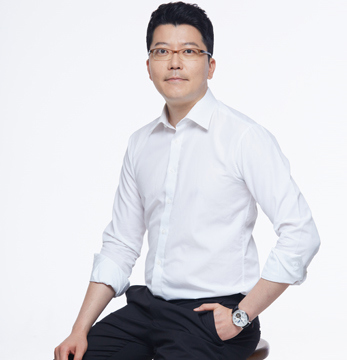
Dr. Karam Kim Director & Board-Certified Plastic Surgeon
Dr. Karam Kim has devoted his surgical career to focused, structure-first expertise in eye surgery across the full spectrum of eyelid procedures — from primary double eyelid surgery in younger patients to comprehensive upper and lower blepharoplasty in patients seeking age-related rejuvenation. As the founding director and sole operating surgeon at Afternoon Plastic Surgery Clinic, he personally conducts every consultation, designs every surgical plan, and performs every procedure — assessing not just the degree of sagging or fat prolapse but the patient's overall facial aging pattern, brow dynamics, and natural eyelid character before any rejuvenation plan is finalized.
His professional credentials reflect both clinical depth and sustained academic engagement:
Former Director, Make Plastic Surgery Clinic
Former Director, Noblesse Plastic Surgery Clinic
Life Member, Korean Society of Plastic and Reconstructive Surgeons (KSPRS)
Regular Member, Korean Society of Aesthetic Plastic Surgery (KSAPS)
Regular Member, Korean Society of Craniofacial Plastic & Reconstructive Surgery
Member, Eye Plastic Surgery Research Group, KSPS
Regular Member, KSIPS Rhinoplasty, Breast Surgery & Minimally Invasive Surgery Research Societies
Regular Member, Korean Society for Stem Cell Treatment
Appointed Consultant, Naver Knowledge IN — Health & Medicine
Middle-aged eye surgery demands a different surgical sensibility than primary eyelid procedures — one that understands how age-related tissue changes interact with the underlying anatomy and how to restore a naturally refreshed appearance without overcorrecting. Dr. Kim's core philosophy — finding and realizing the most beautiful version of what is already naturally there — applies with particular relevance to age-related blepharoplasty, where the goal is enhancement of the patient's natural appearance rather than a dramatic transformation that no longer looks like themselves.
Treatment Areas and Expected Improvements: Middle-Aged Eye Surgery
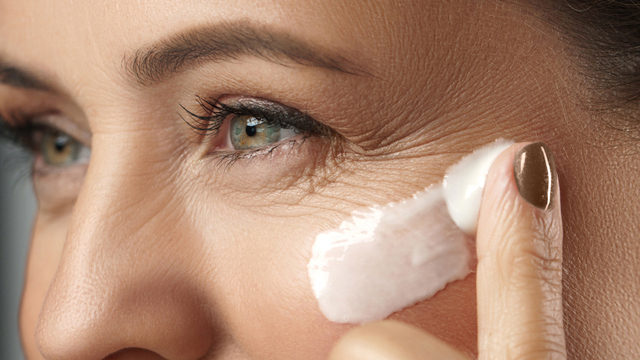
Afternoon Plastic Surgery Clinic's approach to middle-aged eye surgery addresses both the upper and lower eyelid zones through individually customized procedures, with each component planned in relation to the patient's overall facial aging pattern and rejuvenation goals.
Upper Eyelid — Sagging Skin Removal and Fold Restoration: Upper blepharoplasty at Afternoon begins with a precise pre-surgical design that maps the amount of excess skin to be removed, the position of the new or restored eyelid fold, and the degree of fat adjustment required. During surgery, sagging skin and carefully adjusted protruding fat are removed through a precisely placed incision along the upper eyelid crease, and the double eyelid line is secured and sutured to create a clean, naturally defined fold. The amount of skin removed is planned conservatively — enough to restore a refreshed, open upper eyelid appearance without overcorrecting to a result that looks pulled or unnaturally tight. Patients typically experience a progressive clarification of the upper eyelid contour as post-operative swelling resolves, with the restored fold settling into a naturally proportioned and consistently visible crease as healing stabilizes.
Upper Eyelid — Double Eyelid Line Correction: For patients whose double eyelid line has loosened, flattened, or become uneven as a result of aging and skin laxity, upper blepharoplasty incorporates fold correction alongside the sagging skin removal — restoring a defined crease that sits consistently and naturally on the upper lid. The fold height and design are planned individually based on the patient's facial proportions and the degree of correction needed, ensuring the restored crease looks appropriate for the patient's age and facial character rather than replicating a crease height designed for a much younger eyelid.
Lower Eyelid — Wrinkle and Skin Laxity Correction: Lower blepharoplasty addresses the skin-level changes of lower eyelid aging — removing wrinkles and excess skin beneath the eye and carefully lifting and suturing the lower eyelid skin to create a smoother, firmer lower eyelid contour. The skin is gently repositioned and sutured with precision to create an improvement in skin texture and tightness without the unnaturally taut appearance that overcorrection can produce. Afternoon's specialized lower eyelid tightening fixation technique secures the lower eyelid margin during surgery to prevent post-operative downward pulling — a complication that can follow lower blepharoplasty when the eyelid is not adequately supported during the healing process.
Lower Eyelid — Fat Management and Under-Eye Contour: Lower eyelid fat prolapse is addressed through either repositioning, removal, or a combination of both depending on the patient's anatomy and the specific under-eye concern. Where the fat prolapse is creating both a visible bulge and a tear trough depression, repositioning distributes the volume downward to smooth the lower eyelid-to-cheek transition and reduce both the puffiness and the shadowing that contributes to a tired appearance. Where removal is more appropriate, excess fat is carefully excised while preserving enough volume to avoid a hollowed appearance. The approach is determined individually based on the patient's fat distribution, tear trough anatomy, and overall rejuvenation goals.
Individual results vary depending on the degree of skin laxity, fat prolapse, tissue quality, healing response, and the specific combination of procedures performed. No surgical outcome can be guaranteed, and realistic expectations are established transparently during the pre-operative consultation with Dr. Kim.
The Middle-Aged Eye Surgery Process at Afternoon Plastic Surgery Clinic
The middle-aged eye surgery process at Afternoon is structured around a comprehensive assessment of the full eyelid aging picture — and a rejuvenation plan designed to address every relevant component in the most appropriate combination and sequence for the individual patient. Every step is performed by Dr. Karam Kim personally.
Step 1 — Personal Consultation and Aging Pattern Assessment
Every patient consults directly with Dr. Kim, who assesses the upper and lower eyelid zones in the context of the patient's full facial aging pattern — evaluating brow position, upper eyelid skin redundancy, fold condition, levator function, lower eyelid skin laxity, fat prolapse degree, tear trough depth, and overall facial balance. The most appropriate combination of upper and lower procedures is determined at this stage, and the pre-surgical plan is developed with the goal of natural, balanced rejuvenation that enhances rather than dramatically alters. Up to 20 minutes are dedicated to design and planning before any surgical step is initiated. Eye shape options discussed during design include:
Innocent Eyes — Naturally round, pure, and refined
Elegant Eyes — Slightly lifted corners for a sophisticated look
Cute Eyes — Larger, puppy-like eyes with a youthful quality
Step 2 — Upper Eyelid: Incision, Fat Adjustment, and Fold Fixation
For the upper eyelid component, sagging skin is removed through a precisely designed incision along the upper eyelid crease, and protruding fat is carefully adjusted. The double eyelid line is then secured and the skin carefully sutured to create a clean, naturally proportioned upper eyelid fold. The intraoperative assessment — including the seated symmetry check used at Afternoon for every eye surgery — verifies fold height and bilateral balance before the upper eyelid component is concluded.
Step 3 — Lower Eyelid: Fat Management, Skin Lifting, and Tightening Fixation
For the lower eyelid component, lower eyelid fat is managed through repositioning or removal according to the pre-surgical plan, and the lower eyelid skin is gently lifted and carefully sutured to create smoother, firmer under-eye contours. Afternoon's specialized lower eyelid tightening fixation technique is applied to secure the lower eyelid margin and prevent post-operative downward pulling — supporting a stable and naturally contoured lower eyelid result throughout the healing process.
Step 4 — Post-Operative Care and Recovery
Patients are discharged the same day following surgery. Mild swelling and bruising across both the upper and lower eyelid zones are expected in the first few days and typically resolve within the approximately 5-day recovery window. Stitches are removed at 5–7 days post-procedure. Dr. Kim personally manages post-operative follow-up throughout the recovery period. Any asymmetry identified post-operatively is addressed and corrected within two weeks — a standing commitment made by Afternoon Plastic Surgery Clinic to every patient.
Results, Safety, and Longevity of Middle-Aged Eye Surgery
Upper and lower blepharoplasty performed with the individualized, design-led approach that defines Afternoon's methodology are intended to produce a naturally refreshed eyelid appearance that remains consistent over the long term. The structural improvements achieved — removal of excess skin, correction of the double eyelid fold, fat management, and lower eyelid tightening fixation — address the anatomical causes of the aged appearance rather than temporarily compensating for them, producing a result that holds its character as the face continues to age naturally.
The safety profile of middle-aged eye surgery at Afternoon reflects the clinic's deliberate, unhurried surgical philosophy. With a strict limit of two surgeries per day, Dr. Kim operates without time pressure — giving each combined upper and lower procedure the complete design attention and surgical precision that comprehensive eyelid rejuvenation requires. The specialized lower eyelid tightening fixation technique addresses one of the most common complications of lower blepharoplasty — post-operative eyelid margin pulling — directly during surgery, reducing the risk of this outcome through structural support rather than post-operative management.
As with any surgical procedure, possible side effects include temporary swelling, bruising, mild discomfort, and a low risk of infection or healing irregularity. The recovery period for combined upper and lower blepharoplasty may involve more visible initial swelling than single-eyelid procedures, and patients are guided through the full recovery window with Dr. Kim's personal follow-up. Serious complications are rare but remain possible, and all risks are discussed openly during the pre-operative consultation. Afternoon does not make guarantees about specific outcomes; the clinic's commitment is to a standard of individually planned, naturally oriented rejuvenation and personalized care that gives every patient the strongest possible foundation for a refreshed and balanced result.
Why Choose Afternoon Plastic Surgery Clinic for Middle-Aged Eye Surgery?
Middle-aged eye surgery requires a different level of clinical judgment than primary eyelid procedures — a surgeon who understands not just what needs to be corrected but how much correction is appropriate, and how the upper and lower eyelid changes interact with the broader facial aging picture. Afternoon Plastic Surgery Clinic's near-exclusive focus on eye surgery means that blepharoplasty for age-related eyelid changes is a core area of clinical depth — approached with the proportional design methodology, specialized lower eyelid fixation technique, and personal surgical attention that comprehensive eyelid rejuvenation genuinely demands.
With 13 years of experience and more than 10,000 eye surgery cases, Dr. Karam Kim brings to every blepharoplasty consultation a depth of eyelid-specific understanding and surgical judgment that allows the rejuvenation to be calibrated precisely to the individual patient — neither under-correcting to the point of minimal improvement nor over-correcting to a result that looks dramatically unlike the patient's natural appearance.
Why patients choose Afternoon for middle-aged eye surgery:
Exclusive eye surgery specialization — blepharoplasty expertise developed through 13 years of focused eyelid practice
Specialized lower eyelid tightening fixation — structural technique to prevent post-operative eyelid margin pulling
Dr. Karam Kim performs every surgery personally — no delegation at any stage
Customized upper and lower planning — procedures designed as a unified rejuvenation strategy, not separate add-ons
Post-operative asymmetry corrected within 2 weeks — a standing clinic commitment to every patient
Patient Experiences: Middle-Aged Eye Surgery at Afternoon
Surgery Patient, 50s — Upper Blepharoplasty With Double Eyelid Line Restoration
A patient in her early fifties presented with significant upper eyelid skin sagging that had caused her double eyelid line to flatten and become intermittently visible, giving her eyes a persistently heavy and tired appearance. Following a thorough assessment with Dr. Kim, upper blepharoplasty was planned with precise skin removal and fold restoration. The intraoperative seated symmetry check confirmed bilateral balance before the procedure concluded. As post-operative swelling resolved, the upper eyelid contour became noticeably cleaner and the restored fold appeared naturally defined and proportionate to her facial features.
Surgery Patient, 50s — Combined Upper and Lower Blepharoplasty
This patient presented with both significant upper eyelid sagging and lower eyelid fat prolapse with skin laxity that created a combined tired and aged appearance across both eyelid zones. Dr. Kim planned a combined upper and lower blepharoplasty in a single session — upper skin removal with fold correction above, and fat repositioning with skin lifting and tightening fixation below. As recovery progressed, both the upper and lower eyelid zones showed meaningful improvement, and the overall eye area appeared significantly more refreshed and naturally balanced without appearing overtly surgical.
Ready to Refresh Tired, Aging Eyes? Start With a Consultation at Afternoon
If age-related changes to your upper or lower eyelids — or both — are making your eyes look heavier, more tired, or older than you feel, middle-aged eye surgery at Afternoon Plastic Surgery Clinic offers a customized, design-led path to a naturally refreshed and balanced eye appearance. Dr. Karam KimKaram Kim will personally assess your full eyelid aging picture, determine the most appropriate combination of upper and lower procedures for your individual pattern of change, and design a rejuvenation plan that enhances your natural appearance rather than replacing it.
\[Book Your Middle-Aged Eye Surgery Consultation Today\]
Take the first step toward eyes that look naturally refreshed, appropriately open, and genuinely rested. Contact the Afternoon Plastic Surgery Clinic team to arrange your direct consultation with Dr. Karam Kim — and discover what individually customized, design-first blepharoplasty, performed by a dedicated eye surgery specialist with over a decade of focused experience, can achieve for you. International patients are welcome to submit photographs for remote preliminary assessment before making travel arrangements.
Other Services
Explore additional treatments offered by our specialists.

Male Eye Surgery
Male eye surgery encompasses the same range of primary eyelid procedures available to female patients — double eyelid creation, ptosis correction, sagging skin removal, epicanthoplasty, and under-eye correction — but approaches each with a design philosophy and surgical
Learn More

Canthoplasty
Canthoplasty is a surgical procedure that modifies the inner corner, outer corner, or both corners of the eye to adjust the apparent width, shape, tilt, or definition of the eye.
Learn More

Skin Booster
A skin booster is an injectable aesthetic treatment that delivers moisturizing and hydrating agents — typically hyaluronic acid-based formulations — directly into the dermis, the deeper layer of the skin where cellular hydration, collagen support, and skin quality are determined.
Learn More