Gangnam Eye & Eye Revision Surgery Specialist · Personalized 1:1 Care

Specialty Overview
First-Time Eye Surgery
First-time eye surgery refers to primary eyelid procedures performed on patients who have not previously undergone surgical modification of the eyes.
Schedule a ConsultationWhat Is First-Time Eye Surgery in Plastic Surgery?

First-time eye surgery refers to primary eyelid procedures performed on patients who have not previously undergone surgical modification of the eyes. These procedures address a range of aesthetic and functional concerns — from creating a double eyelid fold, to correcting a drooping upper eyelid, to widening the eye shape through corner surgery, to repositioning lower eyelid fat that creates a persistently tired appearance.
Depending on the concern, first-time eye surgery may involve minimally invasive buried suture techniques, incision-based methods for more permanent structural change, muscle-level correction for ptosis, or soft tissue repositioning in the lower eyelid. The most appropriate method is determined not by a standard protocol but by the individual patient's anatomy, lifestyle, and goals.
At Afternoon Plastic Surgery Clinic, eye proportions are assessed against the face as a whole — including eye width, inter-eye distance, crease height, iris exposure, and outer corner angle — before any surgical plan is finalized. The result is a design that looks right on you specifically, not a generic aesthetic applied uniformly.
Seeing Clearly, Looking Like Yourself — First-Time Eye Surgery & Key Eyelid Procedures for Natural, Lasting Results
For many patients, the decision to have eye surgery for the first time has been years in the making. Whether the concern is a monolid, a drooping upper eyelid causing visual fatigue, persistent under-eye puffiness, or a desire for a subtly wider eye — the expectation of a natural result is high, and the concern that the eyes will no longer look like their own is equally common.
At Afternoon Plastic Surgery Clinic, this concern is taken seriously from the first consultation. Dr. Karam Kim's approach begins with proportion and ends with design — ensuring the surgical outcome enhances natural features rather than replacing them. With over 13 years of experience and more than 10,000 eye surgery cases, Dr. Kim brings to first-time patients a depth of understanding that only extensive surgical experience can develop.
Specialty Services & Treatments for First-Time Eye Surgery — Primary Eyelid Procedures at Afternoon Plastic Surgery Clinic
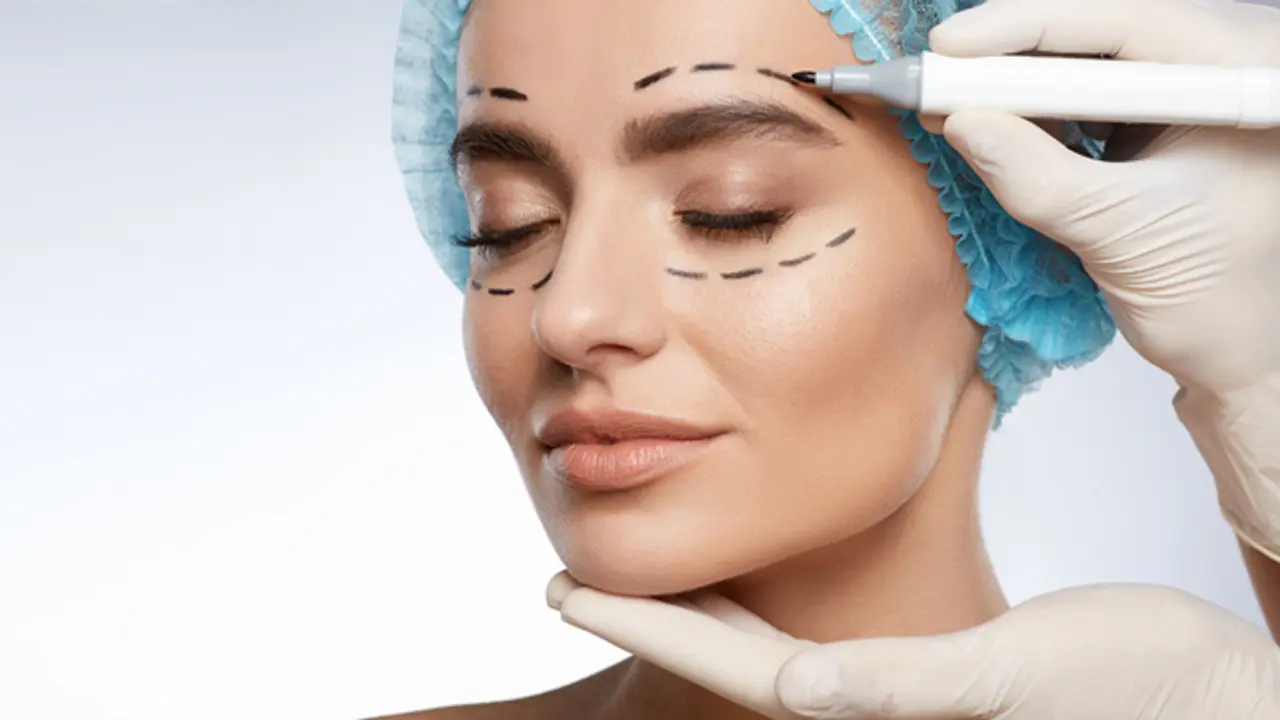
Double Buried Suture Method: A non-incisional technique creating a double eyelid fold via fine sutures placed beneath the skin surface. Suited to patients with thinner eyelid tissue and associated with shorter recovery. At Afternoon, the design phase alone may exceed the surgical time — with crease height and shape mapped individually before a single suture is placed.
Incision Method: A surgical technique creating a crease through a fine incision along the upper eyelid, allowing removal of excess skin or fat and formation of a permanent, structurally defined fold. Appropriate for patients with thicker tissue or excess skin. Incision placement and tissue handling are planned individually to minimize scarring and maximize natural appearance.
Ptosis Correction: Surgical correction of upper eyelid drooping caused by a weakened levator muscle. Addresses asymmetry and, in more pronounced cases, restriction of the upper visual field.
Epicanthoplasty (Inner Corner Surgery): Surgical modification of the epicanthic fold to reveal more of the inner corner, widening and balancing the eye shape. Planned with careful attention to individual anatomy to avoid overtightening.
Lateral Canthoplasty (Outer Corner Surgery): Surgical lengthening and reshaping of the outer corner of the eye to adjust horizontal eye width and tilt.
Lower Blepharoplasty & Fat Repositioning: Treatment of under-eye bags and dark shadows by repositioning orbital fat into the tear trough area, smoothing the transition between the eyelid and the cheek.
Why Have First-Time Eye Surgery at Afternoon Plastic Surgery Clinic?

First-time eye surgery shapes the foundation for all future eye procedures. Choosing a clinic dedicated entirely to the eye ensures specialised expertise.
- Design-First Approach: Procedure planning prioritizes precise pre-operative mapping over standard templates.
- Patient-Centered Proportions: Eyelid dimensions are evaluated relative to total facial structure.
- Specialised Experience: Over 13 years and 10,000+ cases dedicated exclusively to eye surgery.
- Controlled Caseload: Limited daily surgical schedule ensures unhurried, focused care.
- Dedicated Follow-Up: Comprehensive 1:1 post-operative guidance through the crucial early recovery window.
About Dr. Karam Kim — Specialist in First-Time Eye Surgery at Afternoon Plastic Surgery Clinic

Dr. Karam Kim — Founder, Director, & Board-Certified Plastic Surgeon
Dr. Karam Kim is the founder and director of Afternoon Plastic Surgery Clinic, a board-certified plastic surgeon specialising exclusively in aesthetic and corrective eye surgery. With over 13 years of specialised experience and more than 10,000 successful eye procedures performed, Dr. Kim has established Afternoon Plastic Surgery Clinic as a premier destination for primary and complex revision eye surgery.
Dr. Kim's philosophy centers on the belief that natural results stem from rigorous anatomical assessment and personalised surgical design. Every consultation and procedure is personally managed by Dr. Kim, ensuring continuity of care from initial evaluation through complete recovery.
Frequently Asked Questions (FAQ)
Q1: How do I know whether I need a buried suture or incision method?
A: The choice between buried suture and incision methods depends primarily on your eyelid skin thickness, subcutaneous fat, and muscle laxity. Patients with thin skin and minimal fat are generally candidates for the buried suture method, while those with thicker tissue, excess skin, or prominent fat benefit from the incision method. Dr. Kim evaluates these factors during your initial consultation to recommend the most appropriate technique.
Q2: Can first-time eye surgery correct existing asymmetry?
A: Yes. Mild to moderate asymmetry in eye shape, fold height, or eyelid position can be addressed and corrected during first-time eye surgery. Dr. Kim evaluates both eyes independently and designs the procedure to optimise overall symmetry and balance.
Q3: What is the expected recovery time after first-time eye surgery?
A: Most patients return to light daily activities within 5 to 7 days, when sutures are typically removed. Initial swelling and bruising subside significantly during the first two weeks, though minor residual swelling continues to resolve over several months as the tissues settle into their final position.
Q4: Are international patients supported throughout recovery?
A: Yes. Afternoon Plastic Surgery Clinic provides comprehensive support for international patients, including remote pre-operative consultations via photographs, translation assistance during visits, tailored recovery accommodation guidance, and ongoing remote follow-up after returning home.
Patient Resources & Care Guidelines
- Pre-Operative Instructions: Avoid blood-thinning medications and supplements for two weeks prior to surgery. Fast for 4 hours prior to local anesthesia procedures if advised.
- Post-Operative Care: Apply cold compresses gently during the first 48 hours to minimize swelling. Keep incision sites clean and dry as instructed. Sleep with your head elevated.
- Follow-Up Schedule: In-person suture removal is scheduled between 5 to 7 days post-surgery, with subsequent check-ins at 1 month, 3 months, and 6 months.
Related Services
Procedures available within our clinical departments.
Ptosis Repair Revision
Re-correction of eyelid drooping in patients whose prior ptosis correction regressed.
Learn More
Epicanthoplasty Scar Treatment
Targeted treatment of visible scarring at the inner corner following prior epicanthoplasty.
Learn More
Lower Eyelid Fat Repositioning
Redistribution of under-eye fat to eliminate hollowing and reduce under-eye bags.
Learn More