Gangnam Eye & Eye Revision Surgery Specialist · Personalized 1:1 Care


Medical Guide
Anesthesia Safety in Korean Eye Surgery: Sedation Explained
Understand anesthesia safety for Korean eye surgery: how local anesthesia with sedation differs from general anesthesia, monitoring, and the real risks.
Schedule a ConsultationAnesthesia Safety in Korean Eye Surgery: Sedation and Local Anesthesia Explained
Medically reviewed by Dr. Karam Kim, Korean Board-Certified Plastic Surgeon
Eye procedures at Korean clinics, including Afternoon Plastic Surgery Clinic in Gangnam, Seoul, are generally performed under local anesthesia combined with sedation rather than routine general anesthesia. Local anesthesia numbs the surgical area while sedation helps a patient stay relaxed and comfortable, and this combination is a common approach for eyelid and other delicate eye procedures. This article explains how these forms of anesthesia differ, how patients are monitored, what preparation and candidacy involve, and why anesthesia always carries real risks. It is intended for general education and is not a self-diagnosis tool.
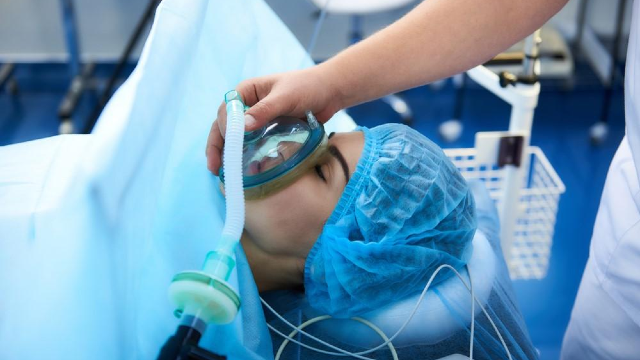
How Eye Surgery Is Generally Anesthetized
For many eyelid and eye procedures, surgery does not require the patient to be fully unconscious. Instead, the surgical field is numbed with a local anesthetic, and sedation is used to keep the patient calm and comfortable during the operation. Afternoon Plastic Surgery Clinic documents this local-anesthesia-with-sedation approach for its eye procedures, describing it as a way to keep patients comfortable while avoiding the additional considerations that come with routine general anesthesia.
This is not unique to any one clinic. Local anesthesia, often paired with sedation, is widely used for procedures that involve a small, well-defined area and do not require deep unconsciousness. Mayo Clinic notes that local anesthesia can be appropriate for procedures involving a small area and that local and regional techniques are frequently combined with sedation. The specific plan for any given patient, however, is a clinical decision made during evaluation, and the appropriate choice depends on the procedure, the patient's health, and the surgeon's and anesthesia provider's judgment.
Local Anesthesia, Sedation, and General Anesthesia: The Differences
Patients often use these terms loosely, but they describe meaningfully different states. Understanding the distinctions helps set realistic expectations before surgery.
Local anesthesia
Local anesthesia numbs a specific, limited part of the body. A local anesthetic medication is injected or applied near the surgical site, temporarily blocking the nerves in that area so the patient does not feel pain there. Consciousness is preserved: a person receiving only local anesthesia remains awake and aware. Local anesthetics work by reversibly blocking the nerve signals that transmit pain, and their effect wears off over time as the medication is cleared. Because the effect is confined to the treated area, local anesthesia avoids some of the whole-body effects associated with general anesthesia, though it still carries its own risks.
Sedation
Sedation uses medication to reduce anxiety and awareness so a patient feels relaxed and comfortable during a procedure. Sedation exists on a spectrum, from light sedation, in which a person is calm but responsive, to deeper levels. Procedural sedation is designed to let a patient tolerate a procedure that might otherwise be uncomfortable, while typically preserving some ability to respond. Importantly, sedation is not the same as general anesthesia. As Mayo Clinic notes, someone who is sedated may still be aware for part or all of a procedure, because the goal is comfort and relaxation rather than complete unconsciousness. When sedation is combined with local anesthesia, the local anesthetic handles pain at the surgical site while the sedation addresses comfort and anxiety.
General anesthesia
General anesthesia brings on a controlled, sleep-like state of unconsciousness using a combination of medicines, usually given through a vein and sometimes as inhaled gases. Under general anesthesia, the patient is fully unconscious and does not perceive pain, and the anesthesia team manages breathing and vital functions throughout. General anesthesia is often chosen for procedures that are lengthy, involve significant bleeding, require muscle relaxation, or otherwise call for the patient to be completely unconscious. It is safe for most people, including many with serious health conditions, but it involves more physiological management than local anesthesia with sedation, and the choice between approaches is individualized.
Why Local Anesthesia With Sedation Is Common for Eye Procedures
Several practical features of eyelid and eye surgery make local anesthesia with sedation a common approach. The surgical area is small and superficial, which lends itself to effective local numbing. Many eye procedures are relatively short compared with major operations. And in some eyelid procedures, having a patient who is comfortable but able to respond can be useful, because the surgeon may ask the patient to open or close the eyes to help assess symmetry and eyelid position during the operation.
Afternoon Plastic Surgery Clinic describes using sedation and local anesthesia to keep patients comfortable while minimizing the additional systemic considerations associated with general anesthesia. This should be read as a description of a common clinical approach, not as a promise that it is risk-free or that it is the right choice for every patient. The suitability of any anesthesia plan is determined during evaluation, and some patients or procedures may call for a different approach. That determination is a medical decision, not something to self-diagnose.
Monitoring During Sedation and Local Anesthesia
Anesthesia safety depends heavily on monitoring, regardless of which technique is used. During procedural sedation, standard practice includes continuous or frequent monitoring of vital signs, such as heart rate, blood pressure, oxygen levels, and breathing, so that the care team can detect and respond to changes promptly. Because sedation can affect breathing and airway reflexes, particularly at deeper levels, the ability to monitor and support a patient is central to doing it safely.
Patient-safety guidance from the American Society of Plastic Surgeons emphasizes that the setting in which surgery and anesthesia take place, and the qualifications of the people providing care, are important elements of overall safety. For any procedure involving sedation, it is reasonable for a patient to understand who will administer and monitor the sedation, what monitoring is in place, and how the team is prepared to respond if a problem arises. These are appropriate questions to raise during consultation.
Fasting instructions are also connected to monitoring and airway safety. Sedation and anesthesia relax the muscles of the digestive tract and can reduce the protective reflexes that normally keep stomach contents from entering the lungs. That is why patients are typically given specific instructions about when to stop eating and drinking before a procedure. Following those instructions is a safety measure, and not following them can lead to a procedure being delayed or postponed.
Fasting, Candidacy, and Preparation

Preparation for anesthesia begins well before the day of surgery. During evaluation, the care team typically reviews a patient's health history, current medications, supplements, allergies, and any past experiences with anesthesia. This information helps determine which anesthesia approach is safest for the individual. Certain conditions, such as sleep apnea, cardiovascular or respiratory disease, and some medications, can affect anesthesia planning and may warrant additional precautions.
Candidacy for a specific anesthesia approach, and for the procedure itself, is individualized. There is no universal rule that fits every patient, which is why the plan is set through consultation rather than assumed in advance. Fasting requirements, medication adjustments before surgery, and other preparation steps are provided per the clinic's protocols, and patients should follow the specific instructions given to them and confirm any questions directly with the clinic. You can reach the clinic through its contact page, and general information about the clinic's documented approach is available on the Afternoon Plastic Surgery Clinic website.
For patients traveling internationally, preparation also includes practical planning. It is worth confirming your anesthesia plan and fasting instructions before travel, understanding same-day discharge arrangements, and knowing how follow-up will be handled after you return home. Because sedation can affect judgment and coordination for a period after a procedure, patients are typically advised to arrange for someone to accompany them and not to travel alone immediately afterward; confirm the specifics with the clinic.
The Real Risks of Anesthesia
No form of anesthesia is entirely without risk, and it would be misleading to suggest otherwise. Local anesthesia, sedation, and general anesthesia each carry their own possible adverse effects, and the fact that eye procedures often use local anesthesia with sedation does not eliminate risk.
Local anesthetics can, uncommonly, cause allergic reactions or, if too much is absorbed, systemic toxicity affecting the heart and nervous system. Sedation can affect breathing and blood pressure, and deeper sedation carries greater risk of these effects, which is one reason monitoring matters. Side effects such as nausea, grogginess, or dizziness can occur after sedation. General anesthesia, while safe for most people, carries its own risks, and a person's overall risk is closely related to their general health and the type of procedure. Rare but serious complications are possible with any anesthesia, which is why honest preoperative evaluation and appropriate monitoring are emphasized.
None of this is meant to alarm. It is meant to be realistic. Anesthesia is administered safely for a great many procedures every day, and serious complications are uncommon. But "uncommon" is not the same as "impossible," and no clinic can guarantee an anesthesia experience free of any risk. The appropriate response is not to avoid asking questions but to ask them: a clear conversation about your health, the planned technique, and the monitoring in place is part of safe care.
Recovering After Sedation
Recovery from sedation is usually faster and lighter than recovery from general anesthesia, but it is not instantaneous, and it deserves planning. In the period right after a procedure with sedation, a person may feel drowsy, a little foggy, or unsteady, and coordination and judgment can be affected for a time. This is why patients are typically advised not to drive, operate machinery, sign important documents, or travel alone in the hours after sedation, and why arranging for a companion or support is sensible.
Afternoon Plastic Surgery Clinic documents same-day discharge for its eye procedures, which is common for surgery performed under local anesthesia with sedation. Same-day discharge does not mean recovery is finished; it means the patient is stable enough to leave with appropriate instructions. Some minor side effects, such as grogginess, mild nausea, or lightheadedness, can linger briefly. Following the clinic's aftercare instructions, resting appropriately, and knowing the warning signs that warrant contacting a medical provider are all part of a safe recovery. For international patients, it is worth clarifying in advance how the first hours and days after the procedure will be managed and who to contact with questions.
Anesthesia and Informed Consent
Anesthesia is not a formality bolted onto a procedure; it is a medical intervention in its own right, and it belongs in the informed-consent conversation. A good consultation should make clear what anesthesia approach is planned, why it is appropriate for you, what the alternatives are, and what the known risks and common side effects are. You should feel able to disclose your full health history honestly, including conditions like sleep apnea, heart or lung disease, allergies, and any prior reactions to anesthesia, because that information directly affects the safest plan.
Informed consent also means understanding the limits of any reassurance. A clinic can describe its typical approach and its safety practices, but it cannot promise that anesthesia will be free of risk or that a procedure will go exactly as hoped. Serious complications are uncommon, yet they remain possible, and honesty about that is a feature of responsible care rather than a red flag. If any part of the plan is unclear, the right response is to ask until it is clear. These are conversations to have with a qualified surgeon and anesthesia provider, and they are not something an article, a search result, or self-diagnosis can settle for you.
Questions Worth Asking Before Anesthesia
Before any procedure involving anesthesia, it is reasonable to raise a few direct questions during your consultation. What type of anesthesia is planned for your procedure, and why? Who will administer and monitor the sedation, and what are their qualifications? What monitoring will be used during the procedure? What are the specific fasting and medication instructions, and what should you avoid beforehand? What side effects are common afterward, and when should you seek help? For international patients, how will recovery and follow-up be handled, and what should you do if a problem develops after you travel home?
These questions are not a sign of distrust; they are part of informed decision-making, and reputable patient-safety guidance encourages them. The answers depend on your individual health and the specific procedure, which is exactly why they belong in a consultation with a qualified surgeon and anesthesia provider rather than being settled by a general article.
The Bottom Line
- Eye procedures at Afternoon Plastic Surgery Clinic are generally performed under local anesthesia combined with sedation rather than routine general anesthesia, which is a common approach for delicate eye surgery.
- Local anesthesia numbs a small area while the patient stays awake; sedation adds comfort and relaxation but does not necessarily mean full unconsciousness; general anesthesia produces controlled unconsciousness and is chosen for different situations.
- Monitoring of vital signs, appropriate fasting, and an honest review of your health history are central to anesthesia safety, and the right plan is individualized during consultation.
- All anesthesia carries real risks; serious complications are uncommon but possible, and no clinic can guarantee a risk-free anesthesia experience or a specific outcome.
- Confirm your anesthesia plan, fasting instructions, and follow-up arrangements directly with the clinic, and use consultation to ask who administers and monitors sedation; this article is not a self-diagnosis tool.
Frequently Asked Questions
Will I be awake during eye surgery under local anesthesia with sedation?
With local anesthesia and sedation, the surgical area is numbed and medication keeps you relaxed and comfortable, but sedation does not necessarily mean you are fully unconscious. You may be aware for part or all of the procedure, which can be useful when a surgeon needs you to open or close your eyes. The specific experience depends on the sedation level and your individual case.
How is sedation different from general anesthesia?
Sedation uses medication to reduce anxiety and awareness while typically preserving some ability to respond, and it is often paired with local anesthesia. General anesthesia produces a controlled, sleep-like unconsciousness in which the anesthesia team manages your breathing and vital functions. Sedation is a lighter state than general anesthesia, and the appropriate choice depends on the procedure and your health.
Why is general anesthesia not used routinely for eye procedures?
Many eyelid and eye procedures involve a small, superficial area and are relatively short, so local anesthesia with sedation is often sufficient for comfort. Some eyelid procedures also benefit from a patient who can respond to help assess symmetry. General anesthesia is chosen for different situations, and the decision is individualized during evaluation rather than assumed in advance.
Why do I need to fast before a procedure with sedation?
Sedation and anesthesia relax the muscles of the digestive tract and reduce the reflexes that normally keep stomach contents out of the lungs. Fasting for the time specified reduces that risk, which is why it is a safety measure. Follow the exact instructions the clinic gives you, and note that not following them can cause a procedure to be delayed or postponed.
Does using local anesthesia with sedation mean there is no risk?
No. Local anesthesia, sedation, and general anesthesia all carry real risks, including uncommon but serious complications. Using local anesthesia with sedation avoids some considerations associated with general anesthesia but does not make a procedure risk-free. Honest evaluation of your health and proper monitoring are what support safe anesthesia, and no outcome is guaranteed.
How am I monitored during sedation?
Standard practice during procedural sedation includes monitoring vital signs such as heart rate, blood pressure, oxygen levels, and breathing, so the care team can respond promptly to any change. It is reasonable to ask who will administer and monitor your sedation and how the team is prepared to handle problems. Ask these questions during your consultation.
What should international patients know about anesthesia and recovery?
Confirm your anesthesia plan and fasting instructions before you travel, and understand how same-day discharge and follow-up will work. Because sedation can affect judgment and coordination afterward, arrange for support rather than traveling alone immediately after a procedure, and confirm details with the clinic. Plan for local in-person or emergency care at home for any complication that develops after you return.
This article is for general informational purposes and does not constitute individualized medical advice. Surgical candidacy, technique, and expected outcomes can only be determined through a consultation with a qualified plastic surgeon. It is not a self-diagnosis tool.
More Articles
Continue reading our clinical guides.

Korean Board-Certified Care: Safety in Eye Revision Standards 2026
Eyelid surgery remains South Korea's most requested cosmetic operation, with 5%–8% primary revision rates. This 2026 clinical guide details safety standards, cost ranges, and high-precision micro-dissection at Afternoon Plastic Surgery Clinic.
Learn More

Time Zone & Communication Tips for a Korean Surgeon
How US patients bridge KST and US time zones consulting a Korean surgeon: planning consult windows, async messaging, and keeping a clear written record.
Learn More
Anesthesia Safety in Korean Eye Surgery: Sedation Explained
Understand anesthesia safety for Korean eye surgery: how local anesthesia with sedation differs from general anesthesia, monitoring, and the real risks.
Learn More