Gangnam Eye & Eye Revision Surgery Specialist · Personalized 1:1 Care


Medical Guide
Time Zone & Communication Tips for a Korean Surgeon
How US patients bridge KST and US time zones consulting a Korean surgeon: planning consult windows, async messaging, and keeping a clear written record.
Schedule a ConsultationTime Zone and Communication Tips for US Patients Consulting a Korean Surgeon
Medically reviewed by Dr. Karam Kim, Korean Board-Certified Plastic Surgeon
Consulting a surgeon on the other side of the world is very doable, but the time difference between the United States and Korea shapes how you plan calls and how quickly you can expect replies. Korea Standard Time (KST) is UTC+9, which puts it many hours ahead of every US time zone, so a message you send in the evening often lands during a Korean business day. With a little planning, clear channels, and a written record, that gap becomes manageable rather than frustrating.
Understanding KST Versus US Time Zones
Korea observes a single time zone, Korea Standard Time, which is UTC+9, and Korea does not use daylight saving time. The continental United States spans four main zones: Eastern (UTC minus 5, or minus 4 in daylight time), Central, Mountain, and Pacific (UTC minus 8, or minus 7 in daylight time), with Alaska and Hawaii further behind. In practical terms, KST runs roughly 13 to 17 hours ahead of the mainland US depending on your zone and the season.
Because most of the US uses daylight saving time and Korea does not, the exact gap shifts by an hour twice a year, so it is worth checking the current difference rather than memorizing a single number. A reliable rule of thumb is that a Korean weekday morning corresponds to the previous evening in the US, and a Korean afternoon corresponds to the previous late night or very early morning in the US. Sketching out the overlap for your specific city before you reach out saves a lot of back-and-forth.
Planning Realistic Consultation Windows
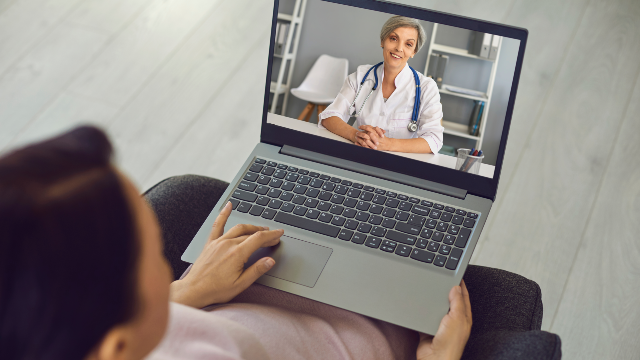
The overlap between Korean and US waking hours is narrow, so live video consultations usually require one side to take an early or late slot. For many US patients on the East Coast, a morning appointment their time lines up with the evening in Korea, while patients on the West Coast may find a late-afternoon or evening call maps onto the Korean morning. Rather than guessing, propose two or three specific windows in your own local time and ask the clinic to confirm what works on their end.
When you request a live consultation, state your time zone explicitly and, ideally, give the proposed time in both your local time and KST to avoid confusion. Build in a buffer around the appointment in case of connection issues, and test your camera, microphone, and internet beforehand so a technical glitch does not eat into a hard-won slot. If a good live window is genuinely hard to find, remember that much of the early conversation can happen asynchronously through messaging, with a live call reserved for the moments that truly benefit from real-time discussion.
Using the Clinic's English Channels for Async Messaging
Time-shifted, written communication is often the most efficient way to work across a large time gap, because neither side has to be awake at the same moment. Afternoon Plastic Surgery Clinic documents an English-language website along with an English WhatsApp line and an online consultation option, which are well suited to this kind of back-and-forth. You can send your questions and any requested photos when it is convenient for you, and the clinic can reply during its business hours; you then read the response when you wake up.
To get the most from async messaging, group your questions into a single, well-organized message rather than sending many small ones, since each round trip can take most of a day given the time difference. Number your questions so answers are easy to match, and be specific about what you want to know. If you are unsure exactly how fluent the in-house English support is or what the online consultation covers, ask the clinic directly rather than assuming; you can start that conversation through the contact page or by exploring the clinic website. An online consultation is a helpful starting point, but it does not replace the in-person examination that still takes place before surgery.
Setting Response-Time Expectations
A message that would get an answer within the hour between two US offices may reasonably take until the next Korean business day when it crosses the Pacific. That is normal, not a red flag, but it helps to set expectations up front. Early in your conversation, ask the clinic about its typical response times, its business days and hours in KST, and how it prefers to handle anything time-sensitive.
Knowing this rhythm lets you plan around it: send important questions early in your day so they arrive during Korean business hours, and avoid leaving a critical query until the last minute before a decision or a flight. It is also wise to clarify how the clinic wants you to handle urgent matters, especially once you have returned home. For any genuine medical emergency, you should seek local in-person care or emergency services where you are rather than waiting on a message across time zones. Confirm with the clinic which situations warrant a routine message and which call for a different approach.
Keeping a Clear Written Record
Because your consultation may unfold over many messages, calls, and weeks, a written record is one of your most valuable tools. Keep the thread of your messages, and after any live call, jot down what was discussed, what was recommended, and any next steps while it is fresh. Save your questions and the clinic's answers in one place so you are not searching multiple apps later.
A good record does more than jog your memory. It reduces miscommunication that can arise across languages and time zones, gives you something concrete to review before you make decisions, and creates continuity you can share with a physician at home. The U.S. Centers for Disease Control and Prevention advises travelers seeking care abroad to keep copies of their medical records and to plan for follow-up and any complications after returning home, and a tidy written history supports exactly that. Bring your record with you to any in-person appointment, and update it as your plan evolves.
The Bottom Line
- Korea Standard Time is UTC+9 with no daylight saving, running roughly 13 to 17 hours ahead of the mainland US, and the gap shifts by an hour twice a year, so check the current difference.
- Propose two or three specific consultation windows in both your local time and KST, and reserve live calls for discussion that truly needs real time.
- Use the clinic's documented English website, English WhatsApp line, and online consultation for efficient asynchronous messaging, grouping and numbering your questions.
- Ask about typical response times and business hours up front, and clarify how to handle urgent or emergency situations, seeking local emergency care for anything genuinely urgent.
- Keep a clear written record of messages, calls, and recommendations to reduce miscommunication and support continuity of care, as the CDC advises for travelers seeking care abroad.
Frequently Asked Questions
What time zone is Korea in compared to the US?
Korea observes Korea Standard Time, which is UTC+9, and it does not use daylight saving time. That places it roughly 13 to 17 hours ahead of the mainland United States, depending on your zone and the time of year. Because most of the US changes its clocks twice a year and Korea does not, the exact difference shifts by an hour seasonally, so it is best to check the current gap for your city.
When is the best time to schedule a live video consultation?
The overlap between US and Korean waking hours is narrow, so one side usually takes an early or late slot. For many East Coast patients a US morning maps onto the Korean evening, while West Coast patients may find a US afternoon or evening lines up with the Korean morning. Propose two or three specific windows in both your local time and KST and let the clinic confirm.
How can I communicate across such a big time difference?
Asynchronous, written messaging is often the most efficient approach, since neither side must be awake at the same time. Afternoon Plastic Surgery Clinic documents an English website, an English WhatsApp line, and an online consultation option that suit this back-and-forth. Send well-organized questions when it is convenient for you and read the reply during your next day.
How quickly should I expect a reply from a Korean clinic?
A reply may reasonably take until the next Korean business day once your message crosses the Pacific, which is normal given the time difference. Ask the clinic early about its typical response times and its business days and hours in KST so you can plan around them. Send important questions early in your day so they arrive during Korean business hours.
What should I do about urgent questions or emergencies?
Clarify with the clinic which matters can go through routine messaging and which need a different approach, especially after you return home. For any genuine medical emergency, seek local in-person care or emergency services where you are rather than waiting on a message across time zones. Knowing the clinic's preferred process in advance prevents confusion at a stressful moment.
How do I keep a good record of a remote consultation?
Keep your message threads in one place, and after any live call write down what was discussed, what was recommended, and the next steps while it is fresh. Save your questions and the clinic's answers together so you are not searching multiple apps later. The CDC advises travelers seeking care abroad to keep copies of their records, which also supports continuity with a physician at home.
Does an online consultation replace an in-person visit?
No. An online consultation is a useful starting point for discussing your goals, sharing photos, and asking questions, but it does not replace the in-person examination that still takes place before surgery. Use remote communication to prepare and to narrow down your questions, and confirm the specifics of what the clinic's online consultation covers directly with the clinic.
This article is for general informational purposes and does not constitute individualized medical advice. Surgical candidacy, technique, and expected outcomes can only be determined through a consultation with a qualified plastic surgeon. It is not a self-diagnosis tool.
More Articles
Continue reading our clinical guides.

Korean Board-Certified Care: Safety in Eye Revision Standards 2026
Eyelid surgery remains South Korea's most requested cosmetic operation, with 5%–8% primary revision rates. This 2026 clinical guide details safety standards, cost ranges, and high-precision micro-dissection at Afternoon Plastic Surgery Clinic.
Learn More
Time Zone & Communication Tips for a Korean Surgeon
How US patients bridge KST and US time zones consulting a Korean surgeon: planning consult windows, async messaging, and keeping a clear written record.
Learn More

Anesthesia Safety in Korean Eye Surgery: Sedation Explained
Understand anesthesia safety for Korean eye surgery: how local anesthesia with sedation differs from general anesthesia, monitoring, and the real risks.
Learn More