Gangnam Eye & Eye Revision Surgery Specialist · Personalized 1:1 Care


Medical Guide
Eye Surgery Recovery Red Flags: What's Normal or Not
Learn the difference between normal eye surgery healing and warning-sign red flags, and know when to seek prompt local care or head to the emergency room.
Schedule a ConsultationRecovery Red Flags After Eye Surgery: What's Normal and What's Not
Medically reviewed by Dr. Karam Kim, Korean Board-Certified Plastic Surgeon
After eye surgery, some swelling, bruising, and mild discomfort are normal and usually improve over the first several days. Warning signs that call for prompt attention include increasing or severe pain, spreading redness or pus, fever, any change in vision, and bleeding you cannot control. If you notice a possible red flag, seek in-person care promptly, and treat true emergencies as emergencies by going to your nearest emergency room. This article explains the general difference between expected healing and warning signs, but it is not a self-diagnosis tool.
What Normal Healing Usually Looks Like
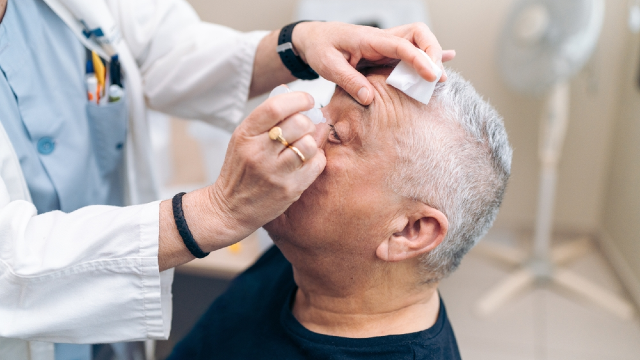
Eyelid and eye surgery involves delicate tissue, so it is completely expected that the area will look and feel different for a while as it heals. Most people notice swelling and bruising around the eyes, sometimes described as looking like a black eye, along with mild puffiness and a feeling of tightness. The eyes may water, feel dry or gritty, or be more sensitive to light. Some blurring can occur, particularly if lubricating ointment has been applied. Mild discomfort that responds to the pain relief your surgeon recommends is typical.
These sensations generally follow a pattern of gradual improvement. Swelling and bruising tend to peak in the first couple of days and then slowly settle. Broad patient-education resources describe bruising and swelling easing over a stretch of roughly one to two weeks, with some residual puffiness lingering longer and scars continuing to fade over months. The American Society of Plastic Surgeons notes that initial healing commonly includes swelling, bruising, irritation, dry eyes, and discomfort that can be managed with medication, cold compresses, and ointment.
Afternoon Plastic Surgery Clinic documents its own general recovery pattern for eye procedures: patients are discharged the same day, mild swelling and bruising usually improve within approximately five days, and stitches are removed after five to seven days. Recovery timelines are averages, not promises, and everyone heals at a slightly different pace depending on the procedure, their anatomy, and how closely aftercare instructions are followed.
Following Your Aftercare Instructions
The single most useful thing you can do during recovery is follow the specific instructions your surgeon gives you, because those instructions are tailored to your procedure. Common guidance for eyelid surgery includes using cool compresses to reduce swelling, keeping your head elevated for the first few days, using any prescribed eye drops or ointments, protecting your eyes from sun and wind with dark sunglasses, and avoiding strenuous activity, heavy lifting, and rubbing your eyes for a period of time.
Just as important is knowing when and how to reach your care team. Before you leave, make sure you understand what medications to use, when stitches will be removed, when to resume normal activities, and exactly which symptoms should prompt you to call. Understanding this in advance turns a moment of worry into a clear plan of action. General resources such as Mayo Clinic reinforce that you should know which specific concerns to watch for and when to follow up.
Warning Signs That Call for Prompt Care
While most recovery is uneventful, certain symptoms are considered red flags because they can signal a complication such as infection, bleeding, or a problem affecting the eye itself. Contact your surgeon or seek prompt in-person medical care if you notice any of the following:
- Increasing or severe pain, especially pain that is getting worse rather than better, or pain that is not controlled by the medication you were told to use.
- Spreading redness, warmth, or pus around the incisions, or discharge that looks yellow or green, which can point to infection.
- Fever or feeling generally unwell, which can accompany an infection.
- Any change in vision, such as new or worsening blurriness, double vision, dark spots, or loss of vision.
- Bleeding you cannot control with gentle pressure, or bleeding that keeps returning.
- Rapidly increasing swelling, hardness, or a feeling of pressure behind the eye.
- Difficulty closing the eye, or new, persistent problems that seem to be worsening rather than settling.
The general principle is direction and degree. Normal healing steadily improves; warning signs tend to worsen, appear suddenly, or bring new symptoms like fever or vision change. When something feels like it is moving in the wrong direction, that is the moment to reach out rather than wait and see. Mayo Clinic similarly advises seeking medical attention right away for symptoms such as severe new eye pain, bleeding, or vision problems.
When to Treat It as an Emergency
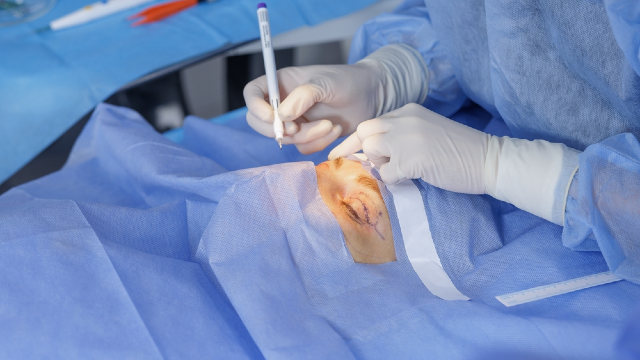
Some situations should not wait for a phone call or a scheduled follow-up. Sudden loss of vision, severe and rapidly worsening pain, heavy bleeding that will not stop, or symptoms that feel like a general medical emergency, such as chest pain or shortness of breath, warrant going to your nearest emergency room or contacting local emergency services immediately.
This point matters especially if you have traveled for surgery and are recovering away from the clinic where the procedure was done. In an emergency, the priority is getting to the closest facility that can help you right now, not returning to the operating surgeon. Local emergency and urgent-care services are your first line when time is critical. You can inform your surgical team afterward so they can coordinate any further care.
Routine Questions Versus Urgent Concerns
Not every question during recovery is an emergency, and it is normal to have many small questions along the way. Wondering whether a certain amount of bruising is expected, when you can wear makeup or contact lenses again, or how to handle mild dryness are the kinds of routine questions that are well suited to a scheduled follow-up or a remote message to your care team.
For patients who travel internationally for eye surgery, this distinction is especially useful. Afternoon Plastic Surgery Clinic documents a model that includes remote follow-up for patients after they return home, which can be a practical channel for routine, non-urgent questions during recovery. Remote follow-up, however, has clear limits: it is not a substitute for hands-on evaluation when a warning sign appears. Anything that looks like a red flag needs prompt in-person assessment by a local clinician who can physically examine you, and a true emergency needs emergency care.
Planning for continuity of care before you travel is wise. The U.S. Centers for Disease Control and Prevention advises people who travel abroad for medical care to arrange follow-up care in advance, keep copies of their medical records, and understand that complications after returning home may require local treatment. Knowing where you would go locally if a problem arose is part of a sound recovery plan.
Recovery Support at Afternoon Plastic Surgery Clinic
Afternoon Plastic Surgery Clinic in Gangnam, Seoul, provides eye surgery to patients including those traveling from the United States, and Dr. Karam Kim, a Korean board-certified plastic surgeon, personally handles consultation, surgery, and follow-up. The clinic's documented recovery framework includes same-day discharge, improvement of mild swelling and bruising within approximately five days, and stitch removal at five to seven days, along with remote follow-up for patients after they return home.
If you are recovering and unsure whether something you are experiencing is expected, it is always reasonable to ask. You can reach the team through the contact page, and general information about the clinic's eye procedures is available on the Afternoon Plastic Surgery Clinic website. For anything that looks like a red flag, seek prompt local in-person care, and for an emergency, go to your nearest emergency room. As with any surgery, results vary and eyelid procedures carry real risks, so this guidance is general and not a replacement for professional evaluation of your specific situation.
The Bottom Line
- Some swelling, bruising, watering, mild dryness, and discomfort are normal after eye surgery and usually improve over the first several days; the clinic documents swelling and bruising easing within about five days and stitch removal at five to seven days.
- Red flags include increasing or severe pain, spreading redness or pus, fever, any change in vision, and uncontrolled bleeding, all of which warrant prompt in-person care.
- The key pattern is direction: normal healing steadily improves, while warning signs worsen, appear suddenly, or bring new symptoms.
- Treat true emergencies, such as sudden vision loss or heavy bleeding, as emergencies and go to your nearest emergency room; use remote follow-up only for routine, non-urgent questions.
- This article is general information and not a self-diagnosis tool; individual healing varies, eye surgery carries real risks, and concerning symptoms should be evaluated by a qualified clinician.
Frequently Asked Questions
How much swelling and bruising is normal after eye surgery?
Noticeable swelling and bruising around the eyes are expected and often resemble a black eye. They typically peak in the first day or two and then gradually settle, with Afternoon Plastic Surgery Clinic documenting improvement within approximately five days for its eye procedures. Swelling that rapidly increases, or that comes with severe pain or vision change, is not typical and should prompt prompt care.
When are stitches removed after eyelid surgery?
For the eye procedures documented by Afternoon Plastic Surgery Clinic, stitches are generally removed five to seven days after surgery. The exact timing depends on your procedure and how you are healing. Your surgeon will confirm your schedule and give you instructions specific to your situation.
What pain level is a warning sign after eye surgery?
Mild discomfort that eases with the pain relief your surgeon recommends is normal. Pain that is severe, that keeps increasing rather than improving, or that is not controlled by your medication is a red flag. Worsening pain, especially with redness, swelling, fever, or vision change, warrants prompt in-person evaluation.
Should I worry about changes in my vision during recovery?
Some temporary blurriness can occur, often from lubricating ointment, and usually clears. However, any new or worsening vision change, double vision, dark spots, or loss of vision should be treated seriously. Sudden vision loss is an emergency and warrants going to your nearest emergency room right away.
I traveled for surgery and am back home now. Who do I contact if something seems wrong?
For a possible red flag, seek prompt in-person care from a local clinician who can examine you, and for an emergency go to your nearest emergency room. For routine, non-urgent questions, remote follow-up with your surgical team can be appropriate. Afternoon Plastic Surgery Clinic documents remote follow-up for patients after they return home, and arranging local follow-up options before you travel is strongly advised.
Can I use remote follow-up instead of seeing a doctor in person?
Remote follow-up is well suited to routine questions, such as when you can resume activities or how to manage mild dryness. It cannot replace a hands-on examination when a warning sign appears, because some complications need physical assessment and treatment. Anything that looks like a red flag, and any emergency, requires in-person or emergency care.
How can I tell the difference between normal healing and a complication?
The most useful clue is direction and pattern. Normal healing steadily improves day by day, while complications tend to worsen, appear suddenly, or add new symptoms like spreading redness, pus, fever, uncontrolled bleeding, or vision change. When in doubt, contact your care team, because this article is general guidance and not a self-diagnosis tool.
This article is for general informational purposes and does not constitute individualized medical advice. Surgical candidacy, technique, and expected outcomes can only be determined through a consultation with a qualified plastic surgeon. It is not a self-diagnosis tool.
More Articles
Continue reading our clinical guides.

Korean Board-Certified Care: Safety in Eye Revision Standards 2026
Eyelid surgery remains South Korea's most requested cosmetic operation, with 5%–8% primary revision rates. This 2026 clinical guide details safety standards, cost ranges, and high-precision micro-dissection at Afternoon Plastic Surgery Clinic.
Learn More

Time Zone & Communication Tips for a Korean Surgeon
How US patients bridge KST and US time zones consulting a Korean surgeon: planning consult windows, async messaging, and keeping a clear written record.
Learn More
Anesthesia Safety in Korean Eye Surgery: Sedation Explained
Understand anesthesia safety for Korean eye surgery: how local anesthesia with sedation differs from general anesthesia, monitoring, and the real risks.
Learn More