Gangnam Eye & Eye Revision Surgery Specialist · Personalized 1:1 Care


Medical Guide
First-Time vs Revision Eye Surgery: Why It Differs
Revision eye surgery differs from a first-time procedure due to scar tissue, altered anatomy, and prior fixation. See how planning and expectations shift.
Schedule a ConsultationFirst-Time vs Revision Eye Surgery: Why the Surgical Approach Changes
Medically reviewed by Dr. Karam Kim, Korean Board-Certified Plastic Surgeon
A first-time eye surgery and a revision of a previous eye surgery are related procedures, but the surgical approach behind them is often quite different. In a primary case the surgeon works with tissue in close to its natural state, while in a revision the eyelid has already been altered by scar tissue, changed anatomy, and previous fixation. This article explains why those differences change how a surgeon plans a revision and what they can reasonably mean for your expectations. It is educational only and is not a substitute for a personalized assessment.
The Core Difference: Untouched Tissue vs Altered Tissue
The single most important distinction between a first-time procedure and a revision is the condition of the tissue the surgeon is working with. In a first-time eyelid surgery, such as creating a double eyelid crease or correcting drooping, the skin, muscle, fat, and the deeper support structures of the eyelid are in their original, unoperated state. The tissue planes are typically well defined, healing is more predictable, and the surgeon can plan around anatomy that has not been rearranged by a prior operation.
A revision is different from the start. After a previous surgery, the eyelid may contain scar tissue, adhesions where layers have stuck together, altered fat distribution, and a crease or fixation point that was set in a particular position. The natural landmarks a surgeon relies on may be shifted or partly obscured. Educational surgical references, including StatPearls chapters on eyelid surgery, describe how the eyelid is a thin, layered structure in which skin, muscle, fat, and the levator mechanism all interact, so any change to one layer can affect the others. When that structure has already been operated on, the surgeon is essentially working within a modified version of the original anatomy.
This is why a revision cannot simply repeat the first surgery in reverse or apply a standard template. The surgeon has to understand what was done before, how the eyelid healed, and what specifically produced the unsatisfactory result before deciding how to proceed.
Why Scar Tissue Changes the Plan
Scar tissue is one of the biggest reasons a revision requires a different approach. Every incision heals with some degree of internal scarring, and in the eyelid that scarring can bind layers together, tether the crease, or create firm bands that pull the tissue in ways the original surgery did not intend. Externally, a scar may appear as a depressed, raised, or discolored line; internally, adhesions can distort how the eyelid folds and moves.
When a surgeon plans a revision, part of the work is deciding how to release or remove problematic scar tissue and adhesions so a more natural fold can be reconstructed. This adds steps that a first-time surgery does not involve, and it demands careful judgment: releasing too little may leave the original problem in place, while removing tissue aggressively can create new irregularities. Because scarred tissue also heals differently from unoperated tissue, the surgeon has to anticipate how the area is likely to behave the second time around. This is a key reason revision planning tends to be more detailed and more individualized than planning for a primary procedure.
Altered and Limited Tissue
A first-time surgery generally starts with a full complement of healthy skin, muscle, and fat to work with. A revision often does not. A previous operation may have removed skin or fat, thinned the eyelid, or repositioned tissue, which means the surgeon has less material available and less margin for adjustment.
This matters because the eyelid is unforgiving of small errors. Removing even a little too much skin in a primary case can make it difficult to close the eye comfortably, and in a revision the risk is compounded because the starting reserve may already be reduced. When tissue is limited, the surgeon must plan conservatively, sometimes preserving or repositioning what is present rather than removing more, and occasionally considering techniques such as grafting or fat repositioning to restore volume or support. The goal shifts from creating something new on a blank canvas to reconstructing balance within the constraints left by the earlier surgery.
The Role of Prior Fixation
Many eyelid procedures rely on fixation, the way the crease or lid position is anchored to deeper structures. In double eyelid surgery, for example, the fold is created by connecting the skin to tissue beneath it, whether through buried sutures or an incision technique. In ptosis correction, the muscle that lifts the eyelid is adjusted and secured. That original fixation is part of what the surgeon encounters during a revision.
Prior fixation can complicate a revision in several ways. A fold may have been fixed too high, producing a deep or hollow-looking crease and sometimes turning the eyelashes inward. Fixation may have loosened or failed over time, causing the fold to fade or disappear. Or the fixation point may have been placed in a position that never produced the desired shape. In each case, the revision involves identifying the old fixation, deciding whether to release, reinforce, or reconstruct it, and then establishing a new fixation at a more appropriate depth or position. Because the surgeon is working around existing anchor points and the scar tissue that surrounds them, this is more intricate than setting fixation in fresh tissue during a first procedure.
Cause-First Diagnosis: The Foundation of Revision Planning
Perhaps the most important difference in approach is that a good revision begins with a diagnosis of cause, not just a description of appearance. The same visible problem can arise from several different underlying causes, and the correct technique depends on which cause is actually present.
Consider a fold that has faded. It could be the result of weak or loosened fixation, thick eyelid skin, excess fat pushing against the crease, or a fixation method that was not suited to that particular eyelid. Each of these calls for a different repair. Reinforcing fixation will not help if the real issue is excess fat, and removing fat will not solve a problem rooted in the crease being set at the wrong height. This is why experienced surgeons emphasize understanding why the previous result occurred before selecting from techniques such as buried suture, incision, adhesion release, or muscle-layer repair. At Afternoon Plastic Surgery Clinic, the documented approach to revision cases centers on identifying the cause of the previous surgical result during a detailed consultation and eye-design step before choosing a method, rather than applying a single standardized technique.
A first-time procedure also requires careful analysis, of course, but the diagnostic burden is generally lighter because there is no prior result to explain. In a revision, skipping the cause-first step risks repeating or worsening the original problem.
Timing: Why Revisions Usually Wait
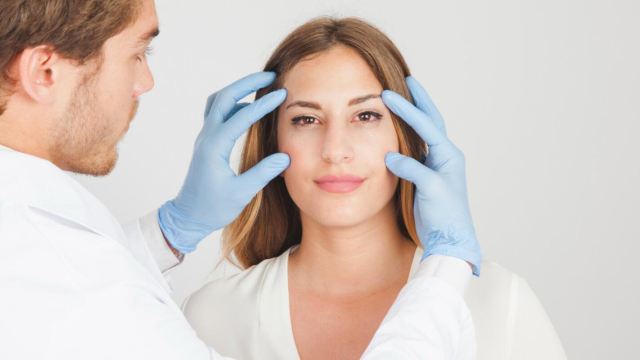
Timing is another way revision surgery differs from a first-time procedure. After any eyelid surgery, the tissue needs time to heal, for swelling to resolve, and for scars to mature and soften. Evaluating or operating on an eyelid too soon can be misleading, because what looks like a poor result in the early weeks may still be settling, and scar tissue that is still active behaves differently from mature scar.
For this reason it is generally recommended to wait until the tissue from a previous surgery has stabilized, often several months to about a year, before a revision is evaluated and planned. This waiting period allows the surgeon to assess the true, settled state of the eyelid rather than a temporary appearance. The exact timing depends on the individual case and the nature of the concern, and your surgeon will advise on what is appropriate for you. This built-in pause is a meaningful contrast with first-time surgery, which is scheduled around the patient's readiness rather than the healing of a prior operation.
What This Means for Your Expectations
Because a revision works within altered anatomy, expectations should be framed differently from those for a first procedure. Results always vary between individuals, and no surgery, primary or revision, can be guaranteed. With revision specifically, the presence of scar tissue, limited or altered tissue, and previous fixation can affect what is realistically achievable, and a careful surgeon will explain the likely outcome in the context of these constraints rather than promising a perfect correction.
This is not a reason for discouragement. Many revision concerns can be meaningfully improved with a well-diagnosed, individualized plan. It does mean, however, that a trustworthy consultation for a revision will spend time explaining what caused the earlier result, what the proposed technique can and cannot address, and what the realistic range of outcomes is. If a surgeon promises a guaranteed or flawless result from a complex revision, that is a reason for caution rather than confidence. Honest, specific communication about limits is one of the more reassuring signs in revision planning.
How Consultation Differs for a Revision
A revision consultation typically goes deeper than a first-time consultation. In addition to assessing your goals and general eyelid anatomy, the surgeon needs to gather the history of your previous surgery: what was done, when, and how it healed. They will examine the eyelid for scar tissue, adhesions, the position and depth of the existing crease, the amount of remaining skin and fat, and the function of the muscles that lift and close the lid.
For international patients, this often begins remotely. A surgeon may review photographs and history before travel to form a preliminary impression, followed by an in-person assessment to confirm the plan. If you are preparing questions for a revision consultation, it can help to bring records or details of your original surgery and to ask specifically how the surgeon has diagnosed the cause of your result. You can reach out through the clinic's contact page to ask about how consultations and case reviews are arranged before you travel.
The Bottom Line
- A first-time eye surgery works with unoperated tissue, while a revision works within anatomy already altered by scar tissue, changed tissue volume, and prior fixation.
- Scar tissue and adhesions add steps and require careful judgment about what to release, remove, or preserve, making revision planning more detailed than a primary procedure.
- Because tissue can be limited or altered after a first surgery, revision planning is often more conservative and reconstructive.
- A cause-first diagnosis is central: the same appearance can have different causes, and the correct technique depends on identifying the real one.
- Revisions usually wait until tissue has stabilized, and expectations should reflect the constraints of altered anatomy; results vary and no outcome is guaranteed.
Frequently Asked Questions
Why is revision eye surgery more complex than a first-time procedure?
A first-time procedure works with tissue in its natural state, while a revision works with an eyelid that already contains scar tissue, adhesions, altered fat or skin, and previous fixation. The surgeon must account for these changes and identify why the earlier result occurred before choosing a technique. This added analysis and reconstruction is what makes revision more complex.
How does scar tissue affect a revision plan?
Scar tissue and internal adhesions can tether the crease, distort how the eyelid folds, and heal differently from unoperated tissue. Part of a revision often involves releasing or removing problematic scar so a more natural fold can be reconstructed. This requires careful judgment, because doing too little leaves the problem and doing too much can create new irregularities.
What does a cause-first diagnosis mean?
It means the surgeon works to identify the underlying reason for the previous result before selecting a technique, rather than treating only the visible appearance. The same problem, such as a faded fold, can come from weak fixation, thick skin, excess fat, or a poorly placed crease, and each cause calls for a different repair. Diagnosing the cause first is what makes an individualized revision plan possible.
How long should I wait before having revision eye surgery?
It is generally recommended to wait until the tissue from your previous surgery has stabilized, often several months to about a year, before a revision is evaluated and planned. This allows swelling to resolve and scars to mature so the surgeon can assess the eyelid's true, settled state. Your surgeon will advise on the appropriate timing for your specific situation.
Can a revision fully fix the results of a previous surgery?
A well-planned revision can often meaningfully improve a previous result, but outcomes vary and no result can be guaranteed. Because a revision works within altered and sometimes limited tissue, what is realistically achievable depends on the individual eyelid. A careful surgeon will explain what the proposed technique can and cannot address rather than promising a perfect correction.
What should I bring to a revision consultation?
It helps to bring details or records of your original surgery, including what was done and roughly when, and to describe how the eyelid healed. During the consultation, ask how the surgeon has diagnosed the cause of your result and why a particular technique is recommended for your anatomy. International patients often begin with a remote review of photographs and history before an in-person assessment.
This article is for general informational purposes and does not constitute individualized medical advice. Surgical candidacy, technique, and expected outcomes can only be determined through a consultation with a qualified plastic surgeon. It is not a self-diagnosis tool.
More Articles
Continue reading our clinical guides.

Korean Board-Certified Care: Safety in Eye Revision Standards 2026
Eyelid surgery remains South Korea's most requested cosmetic operation, with 5%–8% primary revision rates. This 2026 clinical guide details safety standards, cost ranges, and high-precision micro-dissection at Afternoon Plastic Surgery Clinic.
Learn More

Time Zone & Communication Tips for a Korean Surgeon
How US patients bridge KST and US time zones consulting a Korean surgeon: planning consult windows, async messaging, and keeping a clear written record.
Learn More
Anesthesia Safety in Korean Eye Surgery: Sedation Explained
Understand anesthesia safety for Korean eye surgery: how local anesthesia with sedation differs from general anesthesia, monitoring, and the real risks.
Learn More