Gangnam Eye & Eye Revision Surgery Specialist · Personalized 1:1 Care


Medical Guide
Follow-Up Care After Returning to the USA from Korea
What US patients should do for follow-up care after eye surgery in Korea: routine questions to the clinic, complications to local care, and records.
Schedule a ConsultationWhat Happens If You Need Follow-Up Care After Returning to the USA
Medically reviewed by Dr. Karam Kim, Korean Board-Certified Plastic Surgeon
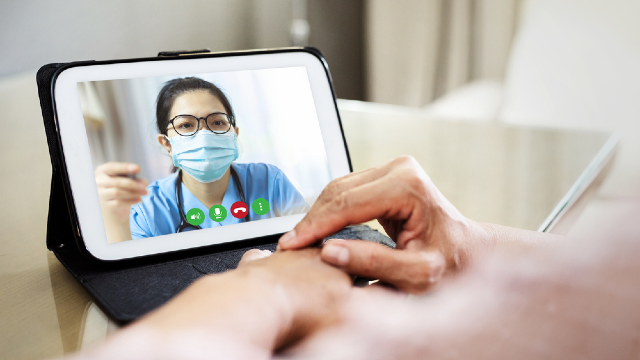
If you need follow-up care after returning to the United States from eye surgery in Korea, the right step depends on what you are experiencing. Routine questions about normal healing are generally best directed to your clinic's remote follow-up, while anything that looks like a possible complication calls for in-person evaluation by a local physician, and a true emergency means going to your nearest emergency room without delay. Planning this out before you travel home, and keeping a complete set of your treatment records, makes it far easier to get the right help quickly. This article explains how to think about each situation and how to prepare, without promising that care can be managed entirely from a distance.
The Short Answer: Match the Concern to the Right Care
Follow-up after surgery abroad works best when you match each concern to the appropriate level of care rather than defaulting to one channel for everything. Broadly, there are three categories. First, routine questions about expected healing, such as what is normal in the days and weeks after your procedure, are usually well suited to the clinic's remote follow-up. Second, a possible complication, meaning any new, worsening, or unexpected symptom, should be evaluated in person by a qualified physician near you, because remote communication cannot replace a hands-on examination. Third, a medical emergency, such as sudden severe pain, significant bleeding, or vision changes, means seeking emergency care locally right away.
This framework matters because your surgeon in Korea, however responsive, cannot physically examine you once you are back home. Remote follow-up is a valuable way to stay in touch and ask questions, but it is not a substitute for local in-person care when something needs to be seen, touched, or treated. Keeping these categories clear in your mind, and deciding in advance whom you will contact in each case, removes guesswork at a moment when you may be anxious or uncomfortable. Outcomes and healing vary from person to person, so having a plan for each scenario is simply good preparation, not a sign that something will go wrong.
Routine Questions Go to the Clinic's Remote Follow-Up
Afternoon Plastic Surgery Clinic's documented care model includes remote follow-up after patients return home, alongside an English-language website and online consultation. For everyday questions about how your recovery is progressing, this remote channel is the natural first stop. It lets you check in with the team that performed your procedure, describe what you are noticing, and share photos if the clinic requests them, so that your questions are answered by the people who know your surgical plan.
Typical routine questions include what level of swelling or bruising is expected at a given point, when certain activities can resume, how to care for the surgical area, and what the normal course of healing looks like. Because eyelid procedures at the clinic are documented as same-day discharge, with swelling and bruising generally improving within roughly five days, stitches typically removed around five to seven days after surgery, and any postoperative asymmetry addressed within approximately two weeks when needed, much of your early recovery follows general patterns you can review with the clinic. These are patterns rather than guarantees, and your individual recovery may differ. When you have a routine question, reaching out through the clinic's contact page keeps your surgical team in the loop. That said, remote follow-up is for communication and guidance; it does not mean your care can be fully managed from another country, and the clinic will tell you when something needs to be seen in person.
A Possible Complication Means Seeking Local In-Person Care
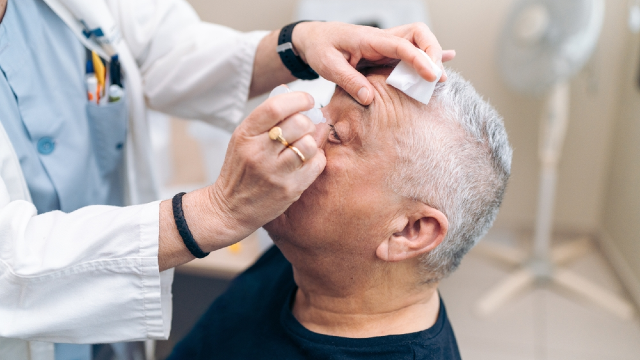
Some symptoms need to be examined by hand, and no video call or message can do that. If you notice something that could be a complication, the appropriate step is to see a qualified local physician in person rather than trying to resolve it remotely. Signs that warrant an in-person evaluation can include increasing rather than improving pain, spreading redness or warmth, unusual or persistent discharge, a fever, wounds that are not healing as expected, or any new symptom that concerns you. General guidance for eyelid surgery recognizes that while serious complications are uncommon, possible risks include infection, bleeding, dry or irritated eyes, difficulty closing the eyes, noticeable scarring, and asymmetry, among others.
When you seek local care, it helps enormously to arrive with your treatment records and a clear account of what was done, so the physician evaluating you has the context they need. You can, and generally should, also notify your clinic in Korea through its remote follow-up channel so the surgical team is aware of what is happening and can coordinate where appropriate. But the in-person assessment and any hands-on treatment need to happen locally. Do not delay seeing someone nearby while waiting for a remote reply if a symptom is worsening; the safer default is to be evaluated in person and keep your clinic informed in parallel.
Emergencies: Go to Your Nearest Emergency Room
Certain situations are emergencies and require immediate care, not a message to your clinic. General surgical guidance advises seeking medical attention right away for symptoms such as shortness of breath, chest pain, an unusual heart rate, severe new eye pain, significant bleeding, or vision problems. If you experience anything like this after returning home, go to your nearest emergency room or call your local emergency number without waiting for a remote consultation.
In an emergency, local emergency clinicians are the people who can help you fastest, because they can examine and treat you on the spot. You can share the details of your recent surgery and your treatment records with them once you are being seen, and you or a family member can contact your clinic afterward to update the surgical team. The key principle is that time-critical problems are handled locally and immediately; remote follow-up is never the right channel for an emergency. Knowing in advance where your nearest emergency facility is, and keeping your records accessible, means you are not searching for this information under pressure.
Keep a Complete Set of Your Treatment Records
Records are the thread that connects your care across two countries, so gather and protect them carefully. Before you leave Seoul, ask the clinic for a clear summary of your procedure, including what was performed, any medications prescribed or provided, the aftercare instructions you were given, and the warning signs to watch for. Confirm how to reach the clinic remotely once you are home, and keep both digital and paper copies of everything so that a lost phone or a dead battery does not leave you without your history.
Good records serve you in every scenario described above. For a routine question, they help you and the clinic speak precisely about your recovery. For a possible complication, they give the local physician the context to evaluate you properly. In an emergency, they let emergency clinicians understand quickly what was done. The U.S. Centers for Disease Control and Prevention specifically advises medical travelers to keep copies of their medical records and to arrange for continuity of care, precisely because care that spans borders depends on information following the patient. Organizing this before you fly home is far easier than trying to reconstruct it later.
Identify a Local Physician Before You Travel Home

It is much easier to arrange local follow-up before you need it than in the middle of a problem. Ideally, identify a physician at home who can examine you in person if a question or complication arises, and understand in advance how you would reach them and where you would go outside their office hours. Having this contact established means that if something does come up, you already know whom to call rather than starting a search while you are uncomfortable or worried.
Be aware that a physician who did not perform your surgery may reasonably want your treatment records, may have their own assessment of your situation, and is not obligated to take over your postoperative care simply because you had surgery elsewhere. This is another reason your records matter and another reason to line up a local option early. Your clinic in Korea can remain a point of contact for guidance through its remote follow-up, and you can coordinate through the clinic's main website or contact page, but the in-person relationship at home is something you arrange yourself. Setting it up in advance is one of the most practical steps you can take for peace of mind.
What Remote Follow-Up Can and Cannot Do
It helps to be realistic about the role of remote follow-up so your expectations match what it actually provides. Remote follow-up is a channel for staying connected with your surgical team: asking questions, sharing updates and photos when requested, and receiving general guidance about your recovery from the people who planned and performed your procedure. It is a genuine benefit of a clinic that offers continued contact after you return home, and it can reassure you during a normal recovery and help you decide when in-person care is warranted.
What remote follow-up cannot do is replace a physical examination, provide hands-on treatment, or manage a complication from a distance. No clinic can guarantee your outcome or promise that everything can be resolved online, and it would be a mistake to treat remote messaging as a stand-in for local medical care when something needs to be seen. The honest framing is that remote follow-up complements local care rather than substituting for it. Used that way, alongside a local physician and a plan for emergencies, it fits neatly into a broader continuity-of-care strategy.
Continuity of Care: The CDC Framework
Public health guidance ties all of this together under the idea of continuity of care. The CDC recommends that people who travel abroad for medical procedures plan ahead for follow-up, keep their medical records, and arrange how they will handle both routine care and possible complications after returning home. In other words, the steps above are not improvised advice; they reflect a recognized approach to managing care that crosses borders.
Putting the framework into practice looks like this: use the clinic's remote follow-up for routine questions and to keep your surgical team informed, see a local physician in person for anything that could be a complication, go to an emergency room for emergencies, and keep your records with you throughout. Coordinating these pieces before you fly home, rather than after a problem appears, is what makes the difference. Because healing varies and surgery carries real risks even when everything is done carefully, a clear plan is the most reliable form of preparation you can bring back with you.
The Bottom Line
- Match each concern to the right care: routine questions to the clinic's remote follow-up, possible complications to a local in-person physician, and emergencies to your nearest emergency room.
- Use Afternoon Plastic Surgery Clinic's documented remote follow-up for guidance and to keep your surgical team informed, but understand it does not replace hands-on local care or manage complications from a distance.
- Seek in-person evaluation promptly for new, worsening, or unexpected symptoms, and go straight to emergency care for severe pain, significant bleeding, or vision changes.
- Keep complete digital and paper copies of your treatment records and aftercare instructions, as the CDC advises, so information follows you across countries.
- Identify a local physician before you travel home and plan continuity of care in advance; results and healing vary, and surgery carries real risks.
Frequently Asked Questions
Who should I contact first with a routine recovery question after I get home?
For routine questions about expected healing, the clinic's documented remote follow-up is a natural first stop, since it connects you with the team that performed your procedure. You can reach out through the clinic's contact page and share information or photos if requested. Remote follow-up is for guidance and communication, so the clinic will tell you if something needs to be examined in person.
What should I do if I think I have a complication?
A possible complication, meaning any new, worsening, or unexpected symptom, should be evaluated in person by a qualified local physician, because remote communication cannot replace a hands-on examination. Bring your treatment records so the physician has full context, and notify your clinic in Korea in parallel so your surgical team is aware. Do not delay local care while waiting for a remote reply if a symptom is getting worse.
When should I go to the emergency room instead of contacting the clinic?
Go to your nearest emergency room or call your local emergency number right away for symptoms such as severe new eye pain, significant bleeding, vision problems, shortness of breath, or chest pain. Emergencies are handled locally and immediately, not through remote follow-up. You can update your clinic afterward once you are being cared for.
Can my surgeon in Korea manage a complication remotely?
No. Remote follow-up is valuable for questions and updates, but it cannot replace a physical examination or provide hands-on treatment, and no clinic can promise to manage a complication from another country. A possible complication needs local in-person care, and an emergency needs an emergency room. Think of remote follow-up as a complement to local care, not a substitute for it.
What records should I keep before leaving Seoul?
Ask the clinic for a clear summary of your procedure, any medications prescribed or provided, your aftercare instructions, and the warning signs to watch for, and confirm how to reach the clinic remotely. Keep both digital and paper copies so a lost or destroyed phone does not leave you without your history.
This article is for general informational purposes and does not constitute individualized medical advice. Surgical candidacy, technique, and expected outcomes can only be determined through a consultation with a qualified plastic surgeon. It is not a self-diagnosis tool.
More Articles
Continue reading our clinical guides.

Korean Board-Certified Care: Safety in Eye Revision Standards 2026
Eyelid surgery remains South Korea's most requested cosmetic operation, with 5%–8% primary revision rates. This 2026 clinical guide details safety standards, cost ranges, and high-precision micro-dissection at Afternoon Plastic Surgery Clinic.
Learn More
Time Zone & Communication Tips for a Korean Surgeon
How US patients bridge KST and US time zones consulting a Korean surgeon: planning consult windows, async messaging, and keeping a clear written record.
Learn More

Anesthesia Safety in Korean Eye Surgery: Sedation Explained
Understand anesthesia safety for Korean eye surgery: how local anesthesia with sedation differs from general anesthesia, monitoring, and the real risks.
Learn More