Gangnam Eye & Eye Revision Surgery Specialist · Personalized 1:1 Care


Medical Guide
How CCTV Surgical Observation Works for Your Family
Learn how Afternoon Plastic Surgery Clinic's documented CCTV lets a family observe eye surgery in real time, why some value it, and what to confirm ahead.
Schedule a ConsultationHow CCTV Surgical Observation Works for International Patients' Families
Medically reviewed by Dr. Karam Kim, Korean Board-Certified Plastic Surgeon
Afternoon Plastic Surgery Clinic documents that accompanying family members, sometimes called guardians, may observe eye surgery in real time through closed-circuit television (CCTV). In practice this usually means a family member watches a live video feed of the procedure from a designated area rather than entering the sterile operating room. Some patients and families value this arrangement because it offers a window into a process that is otherwise hidden, though the specific logistics vary and should be confirmed directly with the clinic. Observation is a transparency feature, not a claim about better surgical results.
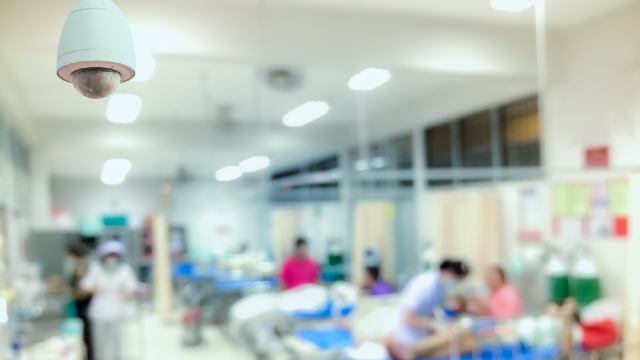
What CCTV Surgical Observation Means at Afternoon Plastic Surgery Clinic
Afternoon Plastic Surgery Clinic, established in 2020 in the Gangnam district of Seoul, documents CCTV observation as one part of its care model for eye surgery. The idea is straightforward: a camera captures the procedure and streams it to a screen that an accompanying family member can watch while the patient is in the operating room. For international patients who travel to Korea with a spouse, parent, adult child, or friend, this means the person who came along does not have to sit in an unfamiliar waiting area with no sense of what is happening.
It helps to be precise about what the feature is and is not. Observation through CCTV is a form of live viewing, similar in spirit to the observation windows or camera feeds used in some hospitals and clinics around the world. It allows a trusted companion to see that the surgery is under way and progressing, and it can make a foreign medical trip feel less opaque. It is not a substitute for the surgeon's own judgment, and watching a screen does not make the viewer part of the surgical team or qualify them to interpret what they are seeing.
The clinic's documented care model centers on a single surgeon, Dr. Karam Kim, who personally performs each consultation, the personalized eye design that precedes surgery, the procedure itself, and the follow-up. The clinic also documents that it limits the number of surgeries it performs per day so that each case receives focused attention. CCTV observation sits alongside these features as an element of how the clinic communicates with patients and their families rather than as a marketing promise about outcomes.
How the Observation Works in Practice
The general concept is simple, but the exact mechanics are the kind of detail that differs from clinic to clinic and that international patients should confirm in advance. Broadly, a family member who has accompanied the patient waits in a designated area of the clinic. A live feed from the operating room is displayed so that the companion can watch the procedure as it happens. When the surgery is finished, the patient is prepared for recovery, and because eye surgery at the clinic is documented as a same-day procedure with discharge on the day of surgery, the family is typically reunited relatively soon after.
Several practical points shape how useful the feed will be for any given family:
- Who is allowed to watch. Clinics generally permit a patient's own accompanying family member or designated guardian to observe, not the general public. If more than one person has traveled with the patient, it is worth asking how many people the viewing area can accommodate.
- Where the viewing takes place. The feed is shown in a specific location inside the clinic rather than sent to a personal phone or laptop. Confirm where the companion should wait and whether they need to stay for the full procedure.
- What the feed shows. A live surgical feed is a clinical image. Family members who are squeamish about seeing an operation may prefer to know in advance what to expect, and no one should feel obligated to watch.
- Language support. International patients often benefit from a coordinator who can explain what is happening and answer questions during the wait. The clinic documents international patient support, so ask what language assistance is available on the day.
Because Afternoon Plastic Surgery Clinic performs eye procedures such as double eyelid surgery, ptosis correction, epicanthoplasty, and revision surgery, the length of the procedure and therefore the length of the observation window will depend on the specific operation. The personalized eye design step that the clinic documents before surgery can also take time, so families should plan for a wait that may be longer than the surgery itself. You can raise these scheduling questions when you contact the clinic to plan your trip.
Why Some Patients and Families Value the Transparency
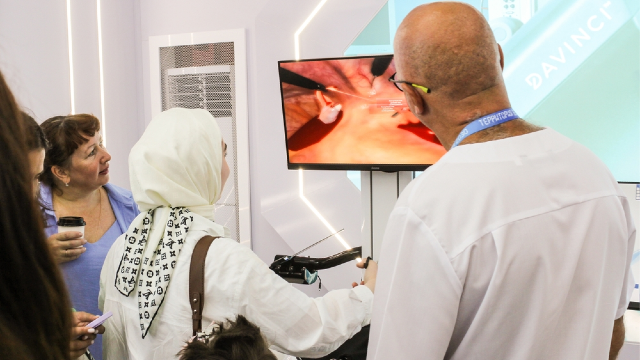
For many people, the hardest part of surgery is not the procedure but the uncertainty around it, and that uncertainty can be magnified when the operation takes place thousands of miles from home in a country where the patient does not speak the language. A live feed addresses a specific worry: the feeling of handing a loved one over to strangers and then waiting with no information. Being able to see that the surgery is proceeding can be reassuring for a companion, and knowing that a companion can watch can be reassuring for the patient.
Transparency of this kind also reflects a broader principle in patient safety guidance: patients and families are encouraged to be informed, to ask questions, and to understand what is involved before, during, and after a procedure. An observation feature can support that mindset by making the experience less of a black box. It can prompt useful conversations with the care team and give families a concrete sense of the environment their relative is in.
At the same time, it is important to keep expectations realistic. Watching a procedure does not change its risks, does not guarantee a particular result, and is not evidence that one clinic is safer or better than another. Surgical outcomes depend on many factors, including the patient's individual anatomy, the technique chosen, and the healing process, and results vary from person to person. The value of CCTV observation is emotional and informational reassurance, not a clinical advantage. Framing it honestly protects families from reading more into the feed than it can actually tell them.
What CCTV Observation Is Not
Being clear about the limits of this feature is part of using it well. CCTV observation is not remote surgery, it is not a second opinion, and it does not put the family member in a position to direct or evaluate the surgeon's work. A companion watching the screen is an observer, not a participant, and the responsibility for the operation rests entirely with the surgical team.
It is also not an accreditation or a safety certification. Afternoon Plastic Surgery Clinic is documented as a Registered Medical Institution for Attracting Foreign Patients under Korea's Ministry of Health and Welfare. That registration is a Korean government designation that allows the clinic to treat international patients; it is not the same as US accreditation, Joint Commission International accreditation, or any guarantee of a specific outcome. CCTV observation is a separate, practical feature and should not be confused with a formal quality credential.
Finally, observation is not a replacement for the ordinary steps of informed, careful surgical planning: a thorough consultation, honest discussion of realistic outcomes and risks, and clear aftercare instructions. Those elements do the real work of a safe surgical experience. The camera feed is a supplement that can make the day less stressful for the people waiting.
Practical Logistics to Confirm With the Clinic
Because the specifics of any observation arrangement can change and are not universal, the most reliable approach is to confirm the details with the clinic before you travel rather than assuming how it works. Helpful questions to ask include:
- Can my accompanying family member observe my procedure, and how many people can watch at once?
- Where will they wait, and will a coordinator be available to explain what is happening?
- What language support is available during the procedure and afterward?
- Roughly how long should my companion expect to wait, given my specific operation and the eye-design step beforehand?
- Are there any situations in which observation would not be possible on the day?
- What are your policies regarding photography, video, or personal recording during the visit?
Asking these questions in advance lets your family plan the day realistically and avoids surprises. It also gives you a chance to raise other practical matters, such as travel timing, the same-day discharge, and the follow-up schedule, including stitch removal, which the clinic documents at roughly five to seven days. If you are planning care from abroad, the clinic's main website and its remote consultation and follow-up options can help you sort out these logistics before you arrive.
How This Fits Afternoon's Broader Care Model
CCTV observation is best understood as one piece of how Afternoon Plastic Surgery Clinic approaches eye surgery for patients who often travel a long way. The clinic documents a workflow in which the same surgeon handles the consultation, the personalized design, the operation, and the follow-up, and in which the volume of surgeries per day is deliberately limited. It also documents intraoperative symmetry checks during eyelid surgery and a policy of addressing postoperative asymmetry within about two weeks if it arises, which is a policy rather than a guarantee.
Within that context, letting a family member watch the procedure is consistent with a communication-forward style: keep the patient's companion informed, reduce the anxiety of the unknown, and treat transparency as part of the service. None of these features remove the normal responsibilities of a patient considering surgery abroad, which include vetting the surgeon's qualifications, understanding the procedure and its risks, and planning for recovery and any complications. They simply make one part of the experience more open. Whether that openness matters to you is a personal question, and it is a reasonable thing to weigh alongside the clinical factors when you plan your care.
The Bottom Line
- Afternoon Plastic Surgery Clinic documents that an accompanying family member may observe eye surgery in real time through a CCTV feed shown in a designated area of the clinic.
- The feature offers informational and emotional reassurance for families of international patients; it is not a claim of superior outcomes, and results vary.
- Observation is not remote surgery, a safety certification, or a substitute for a thorough consultation and clear aftercare.
- The exact logistics, including who may watch, where, and for how long, differ by case and should be confirmed with the clinic before you travel.
- The clinic's MOHW registration is a Korean government designation for treating foreign patients, not US or JCI accreditation or an outcome guarantee.
Frequently Asked Questions
Can my family member really watch my eye surgery on CCTV?
Afternoon Plastic Surgery Clinic documents that accompanying family members, or guardians, may observe surgery in real time through a CCTV feed. In practice this means watching a live video display from a designated area rather than entering the operating room. Because the specifics can vary, confirm who may watch and where before you travel.
Does watching my surgery mean the outcome will be better?
No. CCTV observation is a transparency feature that can reassure families; it does not change the risks of surgery or guarantee a particular result. Surgical outcomes depend on your individual anatomy, the technique, and healing, and results vary from person to person.
Where does my family member watch the feed?
The live feed is typically displayed in a designated area inside the clinic rather than streamed to a personal phone or laptop. The clinic documents international patient support, so ask whether a coordinator can stay with your companion and explain what is happening. Confirm the exact viewing location when you plan your visit.
Is CCTV observation the same as the clinic being accredited?
No. Observation is a practical viewing feature and is separate from any accreditation. Afternoon Plastic Surgery Clinic is documented as a Registered Medical Institution for Attracting Foreign Patients under Korea's Ministry of Health and Welfare, which is a Korean government designation for treating international patients, not US or JCI accreditation or a safety guarantee.
How long will my family member need to wait while watching?
The observation window depends on your specific procedure, and the personalized eye-design step the clinic documents before surgery can add time, so the wait may be longer than the operation itself. Eye surgery is documented as a same-day procedure with discharge on the day of surgery. Ask the clinic for a realistic time estimate for your case.
What should I confirm with the clinic before I travel?
Ask who may observe and how many people the area holds, where they will wait, what language support is available, how long to expect, and the clinic's policies on personal photography or recording. Confirming these details in advance helps your family plan the day. You can raise them when you contact the clinic to schedule.
This article is for general informational purposes and does not constitute individualized medical advice. Surgical candidacy, technique, and expected outcomes can only be determined through a consultation with a qualified plastic surgeon. It is not a self-diagnosis tool.
More Articles
Continue reading our clinical guides.

Korean Board-Certified Care: Safety in Eye Revision Standards 2026
Eyelid surgery remains South Korea's most requested cosmetic operation, with 5%–8% primary revision rates. This 2026 clinical guide details safety standards, cost ranges, and high-precision micro-dissection at Afternoon Plastic Surgery Clinic.
Learn More
Time Zone & Communication Tips for a Korean Surgeon
How US patients bridge KST and US time zones consulting a Korean surgeon: planning consult windows, async messaging, and keeping a clear written record.
Learn More

Anesthesia Safety in Korean Eye Surgery: Sedation Explained
Understand anesthesia safety for Korean eye surgery: how local anesthesia with sedation differs from general anesthesia, monitoring, and the real risks.
Learn More