Gangnam Eye & Eye Revision Surgery Specialist · Personalized 1:1 Care


Medical Guide
How Intraoperative Symmetry Checks Work in Eyelid Surgery
Learn how intraoperative symmetry checks work during eyelid surgery, why surgeons assess eyelid balance while operating, and what seated checks involve.
Schedule a ConsultationHow Intraoperative Symmetry Checks Work During Eyelid Surgery
Medically reviewed by Dr. Karam Kim, Korean Board-Certified Plastic Surgeon
An intraoperative symmetry check is a step in which the surgeon pauses during eyelid surgery to compare how the two eyes look and open, often with the patient positioned upright or seated. The goal is to observe the eyelids in a more natural posture, notice any left-to-right differences, and make adjustments before the procedure is finished. It is a routine part of how many eyelid operations are performed, and it does not guarantee a perfectly symmetrical result, because healing and individual anatomy influence the final appearance.
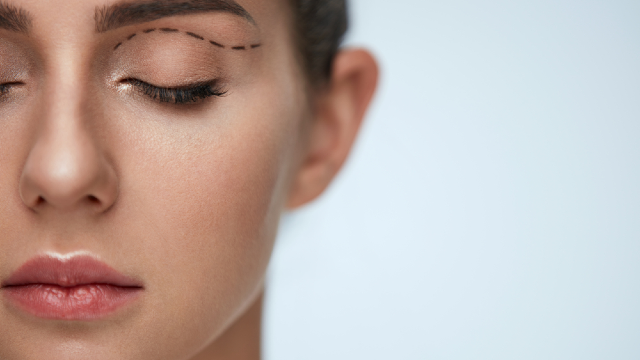
What an Intraoperative Symmetry Check Means
The eyelids are among the most visible and closely watched features of the face. Small differences between the left and right sides are common in almost everyone, even before any surgery, and the eye area is unforgiving of changes measured in fractions of a millimeter. During eyelid surgery, such as double eyelid surgery or blepharoplasty, the surgeon is shaping tissue, adjusting a crease, or repositioning fat and skin. An intraoperative symmetry check is the practice of stepping back at key moments to look at both eyes together rather than focusing on one side in isolation.
In practical terms, a symmetry check compares several things at once: the height of each eyelid crease, how much of the eye is exposed when the eyes are open, the contour and curve of each lid, and whether the two sides mirror each other in a balanced way. Because the eyelids move, a static view of a closed or reclined eye tells only part of the story. Checking symmetry while the patient can open and close the eyes gives the surgeon information that a fixed, lying-down view cannot.
It is important to frame this accurately. A symmetry check is a technique for gathering information during surgery. It is not a promise of a flawless outcome, and it is not evidence that one clinic produces better results than another. Reputable patient-education resources such as the American Society of Plastic Surgeons emphasize that eyelid surgery outcomes depend on many factors, and individual results vary.
Why Symmetry Is Assessed During Surgery, Not Only Beforehand
Surgeons plan eyelid surgery carefully before the operation begins, usually with detailed measurements, photographs, and markings drawn on the skin. So why check again while operating? The answer lies in how the eyelids behave once tissue is being adjusted.
Several things change between the planning stage and the operating table. Local anesthetic can temporarily affect how the muscles that lift the eyelid behave, which can make an eye look more open or more closed than it will once the numbing wears off. Swelling begins almost immediately during surgery and can mask or exaggerate small differences. The position of the head, the effect of gravity, and whether the patient is lying flat or sitting up all influence how the eyelids rest and how the crease sits. A crease that looks even when a person is lying down may look different when they stand in front of a mirror.
Because of these variables, a single preoperative plan cannot account for everything. Assessing the eyelids during the procedure lets the surgeon respond to what is actually happening in the tissue in real time, rather than relying only on the pre-surgery drawing. This is consistent with how surgical texts describe upper eyelid procedures, where careful attention to lid position and symmetry is a recognized part of good technique, as summarized in clinical references like StatPearls' overview of upper eyelid blepharoplasty.
How the Upright, Seated Check Works in Practice
The specific method varies from surgeon to surgeon and from procedure to procedure. A common approach involves briefly bringing the patient into an upright or seated position at one or more points during the operation. Because many eyelid procedures are performed under local anesthesia with the patient awake, the patient can often be asked to open and close their eyes or look in a particular direction on request.
When the patient is seated and looking forward, the surgeon can observe the eyelids the way other people will see them in everyday life. This lets the surgeon compare the two creases at the same time, check how much the upper lid covers the eye on each side, and look at the overall balance of the eye opening. If the surgeon notices that one side sits higher or lower, that a crease is deeper on one side, or that the eyes open unevenly, they can identify the difference at that moment.
If an asymmetry is found, the surgeon can make an immediate adjustment before completing the surgery, rather than discovering the difference only after everything has healed. That might mean fine-tuning the height or position of a crease, adjusting how tissue is secured, or revisiting a particular step. The patient is then returned to the operating position so the surgeon can continue. This cycle of check, adjust, and continue may happen more than once during a single operation.
There are limits to what an intraoperative view can predict. Swelling present during surgery can hide subtle differences or create the appearance of a difference that resolves as healing progresses. For this reason, a symmetry check during surgery is best understood as one useful tool among many, not a crystal ball for the final result.
How Afternoon Plastic Surgery Clinic Uses Intraoperative Symmetry Verification
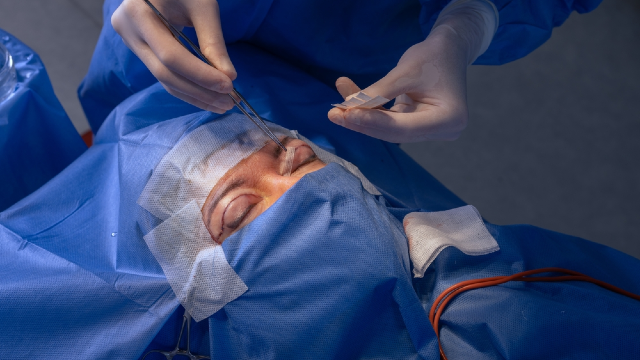
At Afternoon Plastic Surgery Clinic in Gangnam, Seoul, intraoperative symmetry verification is a documented part of the surgical approach for eye procedures. During surgery, the patient is positioned upright or seated so that eyelid symmetry can be assessed, and any asymmetry that is identified is addressed immediately during the operation. Dr. Karam Kim, a Korean board-certified plastic surgeon, personally performs the consultation, surgical design, and follow-up for the clinic's eye patients, and the clinic's process moves from a personalized eyelid design to surgery, with a seated symmetry assessment and immediate correction built into the operative steps.
The clinic's documented care model also includes same-day discharge, stitch removal roughly five to seven days after surgery, and a policy of addressing postoperative asymmetry within about two weeks if needed. These are described as part of how the clinic works, not as guarantees of a particular result. As with any surgery, outcomes vary between individuals, and a symmetry check during the operation does not remove the normal risks of eyelid surgery. If you want to understand how this process would apply to your own situation, you can learn more about the clinic's services on the Afternoon Plastic Surgery Clinic website or reach the team through the contact page.
What Intraoperative Checks Can and Cannot Do
It helps to be realistic about the role of intraoperative symmetry verification. It can give the surgeon a real-time view of the eyelids in a natural posture, help catch differences that a lying-down view might miss, and allow adjustments while the surgeon still has direct access to the tissue. Those are genuine practical advantages of the technique.
What it cannot do is eliminate the influence of healing. After eyelid surgery, swelling and bruising rise and then gradually settle, and the two sides may not settle at exactly the same rate or in exactly the same way. Scar tissue matures over months. The natural, pre-existing differences between a person's two eye sockets, brow positions, and facial structure also shape the final look. Because of all this, even careful intraoperative checking cannot promise perfect symmetry, and some people ultimately choose a minor revision. Both the American Society of Plastic Surgeons and Mayo Clinic note that eyelid surgery carries real risks, including infection, bleeding, dry or irritated eyes, difficulty closing the eyes, and the possible need for follow-up surgery.
The right way to think about a symmetry check, then, is as one thoughtful step within a larger surgical process. It reflects careful attention to detail, but the final outcome still depends on individual anatomy, healing, and the many other elements of the operation. Whether eyelid surgery is appropriate for you, and what technique would be used, can only be determined through an in-person consultation with a qualified surgeon.
The Bottom Line
- An intraoperative symmetry check is a step where the surgeon compares both eyes during eyelid surgery, often with the patient upright or seated, to observe eyelid balance in a natural posture.
- Symmetry is assessed during surgery because anesthesia, early swelling, gravity, and head position can all change how the eyelids look compared with the pre-surgery plan.
- If a difference is spotted, the surgeon can make an immediate adjustment before finishing, which is why the technique is valued.
- Afternoon Plastic Surgery Clinic documents upright, seated symmetry verification with immediate correction as part of its eye surgery process, along with same-day discharge and stitch removal at about five to seven days.
- A symmetry check is a useful tool, not a guarantee; healing, scarring, and natural anatomy shape the final result, individual outcomes vary, and eyelid surgery carries real risks.
Frequently Asked Questions
What is an intraoperative symmetry check in eyelid surgery?
It is a step during eyelid surgery in which the surgeon pauses to compare the two eyes, frequently with the patient positioned upright or seated so the eyelids can be seen in a more natural posture. The surgeon looks at crease height, eye opening, and lid contour on both sides at once. If a difference is noticed, it can be adjusted before the operation is completed.
Why does the surgeon sit the patient up during eyelid surgery?
Sitting up lets the surgeon see the eyelids the way other people see them in daily life, with gravity and normal head position in play. Lying flat can make the eyelids rest differently and can hide small left-to-right differences. Many eyelid procedures use local anesthesia with the patient awake, which makes a brief seated check possible.
Does a symmetry check guarantee my eyes will look perfectly even?
No. A symmetry check is a helpful tool, but it cannot control how you heal. Swelling, bruising, scar maturation, and your own natural facial differences all affect the final appearance, so results vary and perfect symmetry cannot be promised.
Is it normal for eyes to look uneven right after surgery?
Yes, some unevenness in the early days is common because swelling and bruising do not always settle at the same rate on both sides. This typically improves as healing progresses. Persistent or worsening asymmetry, or any concerning symptom, should be discussed with your surgeon.
What happens if asymmetry is found during the operation?
The surgeon can make an immediate adjustment while still operating, such as refining the height or position of a crease or how tissue is secured, then continue the procedure. Addressing a difference during surgery is generally more straightforward than waiting until everything has healed. This check-and-adjust cycle may occur more than once.
Does Afternoon Plastic Surgery Clinic perform symmetry checks during surgery?
Yes. The clinic documents an upright, seated symmetry verification step during eye surgery, with any identified asymmetry addressed immediately during the operation. Its care model also includes same-day discharge and stitch removal at about five to seven days. These are described as part of the clinic's process rather than as guarantees of a specific outcome.
Can asymmetry still be corrected after surgery if needed?
Sometimes. Minor asymmetry that appears after healing can occasionally be revised, and Afternoon Plastic Surgery Clinic documents a policy of addressing postoperative asymmetry within about two weeks when needed. Whether a revision is appropriate depends on your individual healing and anatomy, which is why an in-person assessment is essential.
This article is for general informational purposes and does not constitute individualized medical advice. Surgical candidacy, technique, and expected outcomes can only be determined through a consultation with a qualified plastic surgeon. It is not a self-diagnosis tool.
More Articles
Continue reading our clinical guides.
Korean Board-Certified Care: Safety in Eye Revision Standards 2026
Eyelid surgery remains South Korea's most requested cosmetic operation, with 5%–8% primary revision rates. This 2026 clinical guide details safety standards, cost ranges, and high-precision micro-dissection at Afternoon Plastic Surgery Clinic.
Learn More

Time Zone & Communication Tips for a Korean Surgeon
How US patients bridge KST and US time zones consulting a Korean surgeon: planning consult windows, async messaging, and keeping a clear written record.
Learn More
Anesthesia Safety in Korean Eye Surgery: Sedation Explained
Understand anesthesia safety for Korean eye surgery: how local anesthesia with sedation differs from general anesthesia, monitoring, and the real risks.
Learn More