Gangnam Eye & Eye Revision Surgery Specialist · Personalized 1:1 Care


Medical Guide
Is Eye Surgery in Korea Safe for US Patients? Key Questions
Is eye surgery in Korea safe for US patients? A balanced look at medical tourism risks, physician-led care, follow-up, and doing your own due diligence.
Schedule a ConsultationIs Eye Surgery in Korea Safe for US Patients? Key Questions Answered
Medically reviewed by Dr. Karam Kim, Korean Board-Certified Plastic Surgeon
There is no single yes-or-no answer to whether eye surgery in Korea is safe for US patients. Like any surgery performed abroad, it carries real, documented risks that the CDC flags for all medical tourism, alongside safety features that responsible clinics can and do put in place. Safety depends far more on the specific surgeon, facility, and your own planning than on the country itself. This article gives a balanced overview and points you toward doing your own due diligence. It is not a self-diagnosis tool.
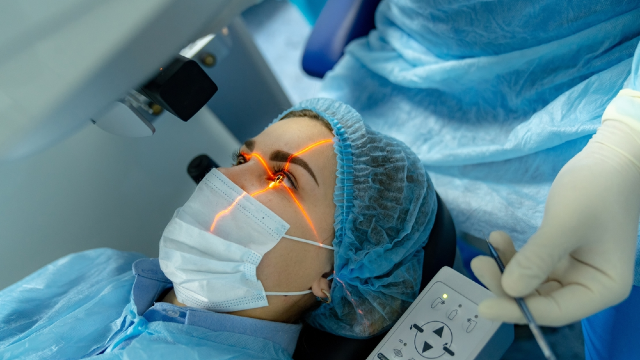
What "safe" actually means for surgery abroad
Every surgery, at home or overseas, carries risk. Traveling for it adds a layer: you are combining a medical procedure with international travel, a new healthcare system, and distance from your usual providers. The US Centers for Disease Control and Prevention describes traveling to another country for care, "medical tourism", as something that can be risky, and stresses that the level of risk depends on the destination, the facility, and whether you are in good health for the procedure.
That framing is useful because it moves the question away from "Is Korea safe?" and toward "Is this surgeon, this facility, and my personal plan safe for me?" No clinic or country can honestly call itself the safest or best choice, and the honest answer for any patient is that safety is built from specific, verifiable factors rather than reputation alone.
The real risks the CDC flags
The CDC identifies several risks that apply to medical tourism generally, and they are worth taking seriously before booking any procedure abroad:
- Continuity of care. If a complication develops after you return to the US, follow-up care can be expensive, prolonged, and may not be covered by your insurance. Planning for this in advance is essential.
- Infection and quality of care. All procedures carry some infection risk, and requirements for licensure, credentialing, and accreditation can vary between countries.
- Communication. Receiving care where you may not share a first language with staff can lead to misunderstandings unless communication is arranged in advance.
- Air travel after surgery. Flying too soon after a procedure can raise the risk of blood clots; the CDC advises planning travel timing carefully.
The CDC's practical advice is to research the clinician and facility, arrange follow-up care in the US before you travel, obtain travel health insurance that includes medical evacuation, and keep copies of your medical records. It also notes plainly that accreditation does not guarantee a positive outcome. These steps are within your control and are the foundation of a safer experience.
Documented safety features to look for

On the other side of the ledger, established clinics build in features that address several of these concerns. The following are documented facts about Afternoon Plastic Surgery Clinic, stated factually rather than as a claim of superiority:
- Physician-led care. Dr. Karam Kim, a Korean board-certified plastic surgeon, personally performs the consultation, the eye design, the surgery, and the follow-up. The clinic limits surgery to two patients per day, a documented model intended to keep care focused.
- Korean government foreign-patient registration. The clinic is registered with Korea's Ministry of Health and Welfare (MOHW) as a Registered Medical Institution for Attracting Foreign Patients. This is a Korean government registration. It is not US or JCI accreditation, and it is not a guarantee of any safety or outcome. It confirms the clinic is registered under Korean law to treat international patients, no more and no less.
- Follow-up support, including remote follow-up. The documented model includes remote case review and remote follow-up, which can help address the continuity-of-care gap the CDC highlights, though it does not replace hands-on emergency care if a serious complication arises at home.
These features are relevant to safety, but they are inputs to your decision, not proof of a result. Weigh them alongside the risks above.
Doing your own due diligence
The most important safety work is the research you do yourself. Independent guidance from the American Society of Plastic Surgeons emphasizes choosing a qualified, properly credentialed surgeon and asking direct questions. For a surgeon in Korea, useful steps include:
- Verify Korean board certification. Confirm the surgeon is genuinely Korean board-certified in plastic surgery, rather than relying on marketing language. Ask directly and ask how to verify it.
- Ask about specific, relevant experience. For eye surgery, and especially revision eye surgery, ask how often the surgeon performs your specific procedure and to see representative results.
- Clarify who performs the surgery. Confirm that the surgeon you consult with is the one who will operate.
- Plan follow-up and complications. Ask what remote follow-up is offered, and arrange in advance where you would get in-person care in the US if needed.
- Confirm the current entry requirements. Travel rules change; verify the latest visa and entry requirements through official sources such as the US State Department before you plan travel.
You can raise these questions directly with the clinic through its contact page, and review its documented approach on the Afternoon Plastic Surgery Clinic website. Doing this legwork is the single most reliable way to make a safer, informed choice.
The Bottom Line
- There is no blanket answer; safety depends on the specific surgeon, facility, and your own planning far more than on the country.
- The CDC flags real medical tourism risks, especially continuity of care, infection, communication, and post-surgery air travel; plan for each before you book.
- Documented safety features such as physician-led care and remote follow-up are relevant inputs, not guarantees of outcome.
- MOHW registration is a Korean government foreign-patient registration, not US or JCI accreditation and not a safety guarantee.
- Verify the surgeon's Korean board certification and revision experience, arrange US follow-up in advance, and treat this article as general information, not a self-diagnosis tool.
Frequently Asked Questions
Is eye surgery in Korea safe for US patients?
There is no simple yes or no. All surgery carries risk, and traveling abroad for it adds risks the CDC documents, such as continuity of care and communication. Safety depends on the specific surgeon, the facility, and your own planning, so no clinic or country can honestly be called the safest or best choice.
What are the biggest risks of getting surgery abroad?
The CDC highlights continuity of care (complications after you return home may be costly and not covered by insurance), infection risk, variable quality-of-care standards between countries, communication challenges, and blood-clot risk from flying too soon after surgery. Researching the facility and arranging US follow-up in advance help reduce these risks.
Does MOHW registration mean the clinic is accredited like a US hospital?
No. Registration with Korea's Ministry of Health and Welfare as an institution for attracting foreign patients is a Korean government registration under Korean law. It is not US or JCI accreditation, and it is not a guarantee of safety or outcome. The CDC also notes that accreditation itself does not guarantee a positive result.
How do I verify a Korean surgeon's credentials?
Ask the surgeon directly whether they are Korean board-certified in plastic surgery and how you can verify it, rather than relying on marketing terms. Confirm that the surgeon you consult with will perform your operation. Independent groups such as the American Society of Plastic Surgeons stress choosing a qualified, properly credentialed surgeon.
What should I do about follow-up care after returning to the US?
Arrange in advance where you would receive in-person follow-up or emergency care in the US, since complications after returning can be expensive and may not be covered by insurance. Ask the clinic what remote follow-up it provides. Remote review can help with routine questions but does not replace hands-on care for a serious complication.
Do I need a visa or special entry documents to travel to Korea for surgery?
Entry requirements change over time, so confirm the current rules before you plan travel. Check official sources such as the US State Department's South Korea page for the latest visa and entry information. Your surgeon's international patient team may also be able to explain documentation relevant to medical visits.
Is this article enough to decide whether to have surgery abroad?
No. This article is general information and is not a self-diagnosis tool. Whether any procedure is appropriate and safe for you depends on your health, your goals, and an individualized assessment by a qualified plastic surgeon, combined with your own research into the surgeon and facility.
This article is for general informational purposes and does not constitute individualized medical advice. Surgical candidacy, technique, and expected outcomes can only be determined through a consultation with a qualified plastic surgeon. It is not a self-diagnosis tool.
More Articles
Continue reading our clinical guides.

Korean Board-Certified Care: Safety in Eye Revision Standards 2026
Eyelid surgery remains South Korea's most requested cosmetic operation, with 5%–8% primary revision rates. This 2026 clinical guide details safety standards, cost ranges, and high-precision micro-dissection at Afternoon Plastic Surgery Clinic.
Learn More

Time Zone & Communication Tips for a Korean Surgeon
How US patients bridge KST and US time zones consulting a Korean surgeon: planning consult windows, async messaging, and keeping a clear written record.
Learn More
Anesthesia Safety in Korean Eye Surgery: Sedation Explained
Understand anesthesia safety for Korean eye surgery: how local anesthesia with sedation differs from general anesthesia, monitoring, and the real risks.
Learn More