Gangnam Eye & Eye Revision Surgery Specialist · Personalized 1:1 Care


Medical Guide
Ptosis Correction vs Double Eyelid Surgery Explained
Understand how ptosis correction addresses drooping eyelid muscle function while double eyelid surgery creates a crease, and when each one may be needed.
Schedule a ConsultationPtosis Correction vs Double Eyelid Surgery: Understanding the Difference
Medically reviewed by Dr. Karam Kim, Korean Board-Certified Plastic Surgeon
Ptosis correction and double eyelid surgery are often confused, but they address two different things. Ptosis correction targets the function of the muscle that lifts the upper eyelid, addressing a droop that is both a functional and an aesthetic concern. Double eyelid surgery, by contrast, creates or defines a crease in the upper eyelid and is primarily aesthetic. This article explains how the two procedures differ, when each or both may be indicated, and what determines candidacy. It is educational and not a self-diagnosis tool.
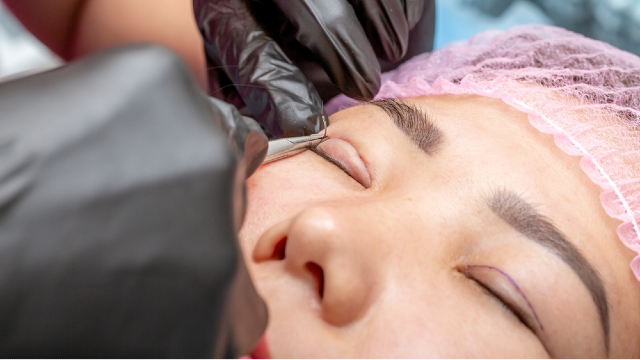
What Ptosis Correction Addresses
Ptosis, also called blepharoptosis, is the drooping of the upper eyelid. It occurs when the muscles responsible for lifting the eyelid do not work as well as they should. The main muscle involved is the levator palpebrae superioris, assisted by a smaller muscle known as Müller's muscle. When the connection between this muscle and the eyelid weakens or is not fully developed, the upper lid sits lower than normal.
Ptosis can be present from birth (congenital) or develop later in life (acquired) due to aging, tissue stretching, previous surgery, trauma, or certain medical conditions. Because a drooping lid can partially cover the eye, ptosis is considered both a functional and an aesthetic issue. In more pronounced cases it may affect the upper field of vision, while in milder cases the main concern is that the eyes look tired, sleepy, or asymmetric.
Ptosis correction is a surgical procedure that restores the eyelid's height and function. Depending on the cause and severity, the surgeon may tighten or reposition the levator muscle, adjust Müller's muscle, or use another technique suited to the individual anatomy. Educational surgical references, including StatPearls chapters on blepharoptosis, describe how the choice of technique depends on how well the levator muscle is functioning. The goal is to raise the lid to a more natural position and, when relevant, improve the field of vision.
What Double Eyelid Surgery Addresses
Double eyelid surgery creates or defines a crease, or fold, in the upper eyelid, above the lash line. Many people naturally have this crease, sometimes called a supratarsal fold, while others have a single eyelid without a defined crease. The procedure is primarily aesthetic and is one of the most commonly requested eyelid procedures among people of East Asian descent.
There are two broad approaches. The buried suture (non-incisional) technique uses fine stitches to form a crease without a long incision, generally with less downtime. The incision technique creates the crease through an incision that allows the surgeon to address excess skin or fat when needed and tends to produce a more durable result. The most appropriate method depends on eyelid skin thickness, the amount of fat, and the patient's goals.
Importantly, double eyelid surgery is about the presence and shape of a crease, not about the lifting function of the eyelid muscle. A well-formed crease can make the eyes look larger or more defined, but it does not by itself correct a lid that is drooping because of weak muscle function.
How a Surgeon Tells the Two Apart
Because ptosis and a simple absence of a crease can look similar from the outside, distinguishing them relies on a clinical examination rather than appearance alone. A surgeon typically measures how high the upper eyelid margin sits relative to the pupil and evaluates how well the levator muscle lifts the lid, often by asking the patient to look up and down while holding the brow still. These measurements help separate a true muscle-function problem from a purely aesthetic crease concern.
The examination also considers symmetry between the two eyes, the amount of excess skin, the position of the brow, and the overall health of the eye. Sometimes a droopy appearance is caused by heavy or excess upper eyelid skin rather than by the lifting muscle, which points toward a different plan again. This is why an accurate diagnosis is the foundation of any eyelid procedure and why self-assessment is unreliable. Only an in-person evaluation can determine which condition, or combination of conditions, is present and what, if anything, is appropriate to do about it.
The Key Difference: Function vs Crease
The central distinction is straightforward. Ptosis correction is about how high the eyelid sits and how well the lifting muscle works, which is a functional and aesthetic concern. Double eyelid surgery is about whether a crease is present and how it is shaped, which is an aesthetic concern.
This difference matters because the two conditions can look similar to an untrained eye. A drooping upper lid caused by ptosis can be mistaken for a simple lack of a crease, and vice versa. Someone who has double eyelid surgery when the underlying issue is actually ptosis may find that the eye still looks droopy afterward, because the muscle function was never addressed. This is one reason a careful in-person examination is essential before deciding on a procedure.
When Each Procedure Is Indicated
Ptosis correction is generally considered when the upper eyelid margin sits lower than normal because of reduced muscle function, whether the concern is the appearance of a tired or asymmetric eye or an effect on the upper field of vision. A surgeon assesses ptosis by measuring how high the lid sits, how well the levator muscle works, and how symmetric the two eyes are.
Double eyelid surgery is generally considered when a person wants to create a crease where none exists, or refine or define an existing crease, for aesthetic reasons. The eyelid muscle in these cases is typically functioning normally, so the goal is shape and definition rather than lifting.
Candidacy for either procedure depends on an individual assessment. Factors include eyelid anatomy, skin condition, muscle function, overall eye health, realistic expectations, and general health. Results vary between individuals, and no specific outcome can be guaranteed. A qualified plastic surgeon evaluates these factors during a consultation and explains which approach, if any, is appropriate.
It is also worth understanding that severity influences the plan. Mild ptosis may be managed differently from more pronounced ptosis, and the strength of the levator muscle helps determine which technique is suitable. Similarly, the right double eyelid method depends on whether the eyelid skin is thick or thin and whether excess fat is present. Because these factors vary so much from person to person, the same request can lead to different recommendations for different patients, and a plan that suits one person may not suit another.
When Both May Be Needed Together
In some cases, ptosis correction and double eyelid surgery are performed together. A person may want a defined crease while also having a degree of ptosis that would leave the eye looking droopy if only the crease were addressed. Combining the procedures allows the surgeon to both raise the lid to a more natural height and create a balanced, well-positioned crease in a single plan.
Deciding whether to combine them requires careful evaluation, because adjusting the muscle changes how the eyelid sits and therefore how a crease will look. This is a good example of why individualized surgical planning matters, especially when muscle function and aesthetic crease design interact. At Afternoon Plastic Surgery Clinic in Gangnam, Seoul, the documented care model emphasizes personalized eye design during the consultation, with Dr. Karam Kim assessing eyelid anatomy and the cause of a patient's concern before recommending an approach.
Recovery and Realistic Expectations
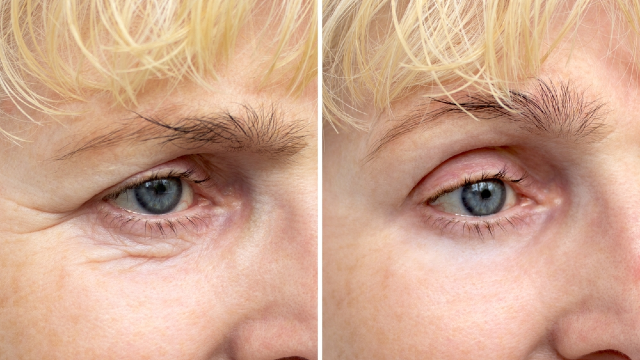
Both procedures involve a recovery period during which swelling and bruising are expected and gradually subside. Stitches, when used, are typically removed within about a week, and the eyelid continues to settle over the following weeks and months as tissue heals. The final appearance takes time to emerge, so patience is part of the process.
It is also worth understanding that the two procedures are not mutually exclusive, and that confusing them can lead to disappointment. A patient who has only a double-eyelid procedure when the underlying issue is a weak levator muscle may find the eyelid still looks droopy afterward, because the crease was addressed but the lifting function was not; conversely, ptosis correction alone may not create the defined crease some patients want. This is exactly why an in-person assessment of levator function and eyelid position matters before choosing, and why some plans combine both in a single operation.
As with any surgery, there are risks, which can include asymmetry, over- or under-correction, changes in eyelid position, temporary difficulty fully closing the eye, and, less commonly, more serious complications. Results vary from person to person, and a good outcome depends on accurate diagnosis, appropriate technique, and individual healing, so realistic expectations set during the consultation are an important part of the process. This is why choosing a qualified surgeon and following postoperative guidance are important. If you have questions about candidacy or planning, you can reach the clinic through its contact page to ask about a consultation.
The Bottom Line
- Ptosis correction addresses the function of the muscle that lifts the upper eyelid, treating a droop that is both a functional and an aesthetic concern.
- Double eyelid surgery creates or defines a crease in the upper eyelid and is primarily aesthetic; it does not correct weak lifting muscle function.
- The two can look similar but are different problems, so an accurate in-person diagnosis is essential before deciding on a procedure.
- In some cases both procedures are combined so the lid is raised to a natural height while a balanced crease is created.
- Candidacy depends on individual anatomy and goals, results vary, and no specific outcome can be guaranteed.
Frequently Asked Questions
What is the main difference between ptosis correction and double eyelid surgery?
Ptosis correction addresses how well the muscle that lifts the upper eyelid works, treating a drooping lid that is both a functional and aesthetic concern. Double eyelid surgery creates or defines a crease in the upper eyelid and is primarily aesthetic. One restores lid height and function; the other shapes a fold.
Can double eyelid surgery fix a drooping eyelid?
Not on its own. If the eyelid droops because the lifting muscle is weak, creating a crease will not raise the lid, and the eye may still look droopy afterward. Correcting a droop caused by ptosis requires addressing the muscle function, which is a different procedure.
How do I know if I have ptosis or just a single eyelid?
The two can look similar, so it is difficult to tell on your own, which is why this article is not a self-diagnosis tool. A surgeon distinguishes them by measuring how high the lid sits and testing how well the lifting muscle works. Only an in-person examination can determine which applies to you.
Can ptosis correction and double eyelid surgery be done at the same time?
Yes, in some cases they are performed together when a person has both a degree of ptosis and a desire for a defined crease. Combining them lets the surgeon raise the lid and create a balanced crease in one plan. Whether this is appropriate depends on an individual assessment.
Is ptosis correction only about vision?
No. Ptosis can affect the upper field of vision when pronounced, but it is also performed for appearance when a drooping lid makes the eyes look tired, sleepy, or asymmetric. Both functional and aesthetic goals are evaluated.
What is the recovery like after ptosis correction?
Recovery involves swelling and bruising that gradually subside, and stitches are typically removed within about a week. The eyelid continues to settle over the following weeks and months, so the final appearance takes time to emerge. Your surgeon will provide specific postoperative guidance for your case.
Will my results be permanent?
Results vary between individuals and no specific or permanent outcome can be guaranteed. Incision-based techniques tend to be more durable than non-incisional ones, and healing differs from person to person. A consultation is the only way to discuss what is realistic for your anatomy.
This article is for general informational purposes and does not constitute individualized medical advice. Surgical candidacy, technique, and expected outcomes can only be determined through a consultation with a qualified plastic surgeon. It is not a self-diagnosis tool.
More Articles
Continue reading our clinical guides.
Korean Board-Certified Care: Safety in Eye Revision Standards 2026
Eyelid surgery remains South Korea's most requested cosmetic operation, with 5%–8% primary revision rates. This 2026 clinical guide details safety standards, cost ranges, and high-precision micro-dissection at Afternoon Plastic Surgery Clinic.
Learn More

Time Zone & Communication Tips for a Korean Surgeon
How US patients bridge KST and US time zones consulting a Korean surgeon: planning consult windows, async messaging, and keeping a clear written record.
Learn More

Anesthesia Safety in Korean Eye Surgery: Sedation Explained
Understand anesthesia safety for Korean eye surgery: how local anesthesia with sedation differs from general anesthesia, monitoring, and the real risks.
Learn More