Gangnam Eye & Eye Revision Surgery Specialist · Personalized 1:1 Care


Medical Guide
Traveling With a Companion for Eye Surgery in Korea
Bringing a companion for eye surgery in Korea: their support role, the clinic CCTV observation policy for family, recovery help, and Korea entry facts.
Schedule a ConsultationTraveling With a Companion for Eye Surgery in Korea
Medically reviewed by Dr. Karam Kim, Korean Board-Certified Plastic Surgeon
Bringing a companion when you travel to Korea for eye surgery is a practical decision, not a luxury. A trusted friend or family member can help with logistics, sit with you on the day of surgery, and support the early recovery days when your vision is blurry and swelling is at its peak. This guide explains what a companion typically does, how the clinic's documented policy lets family observe surgery by CCTV, and why Korea's entry rules apply to your companion just as they apply to you.
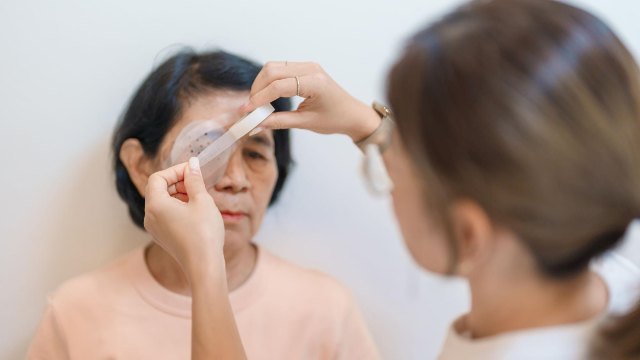
Why Bring a Companion for Eye Surgery in Korea
Eyelid procedures are usually performed on an outpatient basis, which means you are discharged the same day rather than staying overnight in a hospital. That independence is convenient, but it also means you are responsible for getting yourself back to your accommodation and managing the first hours after surgery on your own unless someone is with you. In the immediate aftermath of eyelid surgery, your eyes may be swollen, watery, and sensitive to light, and any sedation used during the procedure can leave you groggy for the rest of the day.
A companion fills that gap. They can handle the transfer from the clinic, keep track of your written aftercare instructions, and make sure you rest instead of trying to navigate an unfamiliar city while you recover. Traveling internationally for a procedure also carries a layer of stress that has nothing to do with medicine, unfamiliar transit, language differences, and being far from home, and a companion softens all of it. The United States Centers for Disease Control and Prevention encourages travelers seeking care abroad to plan the practical side of their trip carefully, including where they will stay and who will help them afterward.
What a Companion Actually Does
It helps to think about a companion's role in three phases: before, during, and after surgery.
Before surgery, a companion can join you for the consultation, help you take notes, and remind you of questions you meant to ask. At Afternoon Plastic Surgery Clinic, the documented care model includes a personal consultation and an individualized eye-design discussion with Dr. Karam Kim before surgery, and having a second set of ears in that conversation can be reassuring. A companion can also help confirm travel documents, medications, and appointment times so nothing is overlooked.
On the day of surgery, your companion handles the things you cannot. They can accompany you to the clinic, wait during the procedure, and be ready to take you back to your accommodation afterward. Because you may be drowsy from sedation and your vision will be blurred, having someone manage transport and doors and elevators removes real friction from an otherwise vulnerable moment.
After surgery, the companion becomes a caregiver. They can apply cold compresses on the schedule the clinic recommends, help you keep the surgical area clean, pick up prescribed medications, prepare simple meals, and make sure you keep your head elevated and rest your eyes. They are also a useful early-warning system: if something looks or feels wrong, a companion can help you contact the clinic promptly rather than second-guessing on your own.
Observing Surgery: The Clinic's CCTV Policy for Family
One documented feature that many patients traveling with family find reassuring is that Afternoon Plastic Surgery Clinic allows accompanying family members or guardians to observe surgery in real time via closed-circuit television (CCTV). This is a stated clinic policy, meaning family can watch the procedure on a monitor rather than sitting in a separate waiting area with no visibility into what is happening.
For a companion who has traveled a long way and feels anxious on your behalf, this transparency can ease the wait. It is worth understanding the practicalities in advance, though, so set expectations rather than assumptions. The exact arrangements, where family members wait, whether there are limits on how many people can observe, and any consent or privacy steps involved, are details you should confirm directly with the clinic before your travel date. You can raise these questions through the clinic's contact page so both you and your companion know what to expect on the day.
CCTV observation is a comfort feature, not a substitute for medical judgment. The surgical decisions remain with the surgeon, and results vary from person to person regardless of who is watching. Framing it correctly, this is about visibility and reassurance for family, not a guarantee about outcomes.
Practical Support During Recovery
Eyelid recovery follows a fairly predictable early arc, and a companion is most useful during those first days. Based on the clinic's documented recovery guidance, swelling and bruising tend to improve noticeably around the five-day mark, and stitches are typically removed roughly five to seven days after surgery. That timeline means the most demanding stretch, the days of significant swelling, light sensitivity, and limited comfort, falls squarely within the first week.
Here is where a companion genuinely helps during that week:
- Cold-compress routine. Applying gentle cold compresses on the schedule your surgeon recommends can help manage swelling, and it is far easier when someone else is timing and preparing them while you keep your eyes closed and rest.
- Medication and hygiene. A companion can keep track of prescribed eye drops or medications, help you avoid rubbing or straining your eyes, and assist with careful cleaning around the surgical area per the clinic's instructions.
- Rest and positioning. Keeping your head elevated and simply resting is part of early recovery. A companion can handle errands, meals, and messages so you actually rest instead of pushing yourself.
- Getting to the stitch-removal visit. You will likely return to the clinic for stitch removal within the first week. A companion makes that short trip much easier while your vision is still settling.
- Watching for warning signs. If you develop severe or worsening pain, unusual bleeding, vision changes, or signs of infection, those warrant prompt contact with the clinic, or urgent local care in an emergency. A companion can help you act quickly rather than wait.
Recovery timelines are general and individual healing varies, so treat these as expectations to discuss with your surgeon, not fixed promises. If you are still deciding on accommodation and logistics, the clinic's main website and its team can help you understand what the recovery window involves for your specific plan.
Korea Entry Facts Apply to Your Companion Too
A point that is easy to overlook: your companion is an independent international traveler and must meet the same entry requirements you do. Plan their paperwork alongside yours rather than as an afterthought.
For United States citizens, the current situation is time-sensitive, so both you and your companion should confirm the rules close to your travel date:
- K-ETA exemption: U.S. citizens are currently exempt from the Korea Electronic Travel Authorization (K-ETA) for short visits through December 31, 2026.
- e-Arrival Card: Even during the K-ETA exemption, travelers are generally required to complete a Korea e-Arrival Card before entry. This applies to your companion as well.
- K-ETA returns January 1, 2027: The K-ETA requirement is scheduled to resume on January 1, 2027. If your trip falls in or after 2027, both travelers should plan to obtain a K-ETA.
- Longer stays and medical visas: Short visa-free entry covers typical short tourist-length stays. If either of you needs to stay longer, a longer-stay visa such as the C-3-3 medical visa may be relevant.
Because entry rules change, do not rely on this article as the final word: confirm current requirements before you book. For authoritative, up-to-date visa and entry details, consult the nearest Korean embassy or consulate and the U.S. Department of State's country information for South Korea. Your companion should carry their own passport with adequate validity, proof of onward or return travel, and any documentation the current rules require.
Planning the Trip Together

A little coordination up front makes the whole trip smoother. Book accommodation that is comfortable for two and reasonably close to the clinic so post-surgery transfers are short and low-stress. Share your itinerary, appointment times, and the clinic's contact details with your companion so they can step in if you are resting. Bring copies of your medical records and a written list of your medications, a step the CDC recommends for anyone seeking care abroad, and make sure your companion knows where those documents are.
It is also wise to agree in advance on how you will handle a possible complication. Know where the nearest hospital or emergency room is relative to your accommodation, keep the clinic's number accessible, and understand that follow-up care may continue after you return home. A companion who understands the plan can help you respond calmly if anything unexpected comes up.
Finally, keep expectations realistic and shared. Eye surgery has a recovery curve, results develop over time, and healing differs from person to person. Talking through that together before you travel means your companion is prepared to support the real recovery rather than an idealized one.
The Bottom Line
- A companion helps most during outpatient eye surgery and the first-week recovery, handling transport, cold compresses, medications, rest, and watching for warning signs.
- Afternoon Plastic Surgery Clinic has a documented policy allowing family or guardians to observe surgery in real time by CCTV; confirm the exact arrangements with the clinic in advance.
- Your companion must meet Korea's entry requirements independently, including the current U.S.-citizen K-ETA exemption through December 31, 2026, the e-Arrival Card, and the K-ETA resuming January 1, 2027, so confirm current rules before booking.
- Plan accommodation close to the clinic, share the itinerary and clinic contacts, carry medical records, and agree on how to handle a possible complication.
- Recovery timelines are general and individual results vary; discuss your specific plan with your surgeon and route logistics questions to the clinic.
Frequently Asked Questions
Do I need to bring a companion for eye surgery in Korea?
It is not a strict requirement, but it is strongly practical. Eyelid procedures are typically outpatient, and sedation plus early swelling can leave you groggy and light-sensitive on the day of surgery. A companion who manages transport and the first-day logistics makes recovery safer and less stressful.
Can my family member watch the surgery?
Afternoon Plastic Surgery Clinic has a documented policy allowing accompanying family members or guardians to observe surgery in real time by CCTV. The specific arrangements, such as where family wait and any limits or consent steps, should be confirmed directly with the clinic before your travel date.
Does my companion need their own K-ETA or entry documents?
Yes. Your companion is treated as an independent traveler and must meet Korea's entry requirements on their own. That currently includes the U.S.-citizen K-ETA exemption through December 31, 2026, and completing the e-Arrival Card, with K-ETA scheduled to resume January 1, 2027. Confirm current rules before booking.
How long will my companion need to stay to help with recovery?
The most demanding stretch is usually the first week, when swelling and bruising are at their peak and stitches are typically removed around five to seven days. Many travelers plan for a companion to be present through at least that early window, but you should tailor the timing to the plan you discuss with your surgeon.
What should my companion help with after surgery?
Useful tasks include managing transport, preparing cold compresses on the recommended schedule, keeping track of medications, helping keep the surgical area clean, ensuring you rest with your head elevated, and helping you contact the clinic promptly if warning signs appear. They can also accompany you to the stitch-removal visit.
Where can we confirm the current visa and entry rules?
Entry and visa rules can change, so verify them close to your travel date rather than relying on any single article. The nearest Korean embassy or consulate and the U.S. Department of State's South Korea country information are the authoritative sources for both you and your companion.
Can my companion help if a complication happens?
Yes, and it helps to plan for it. Agree in advance on where the nearest hospital or emergency room is, keep the clinic's contact details accessible, and make sure your companion knows your medications and medical history. In an emergency, seek local urgent care first, then coordinate follow-up with the clinic.
This article is for general informational purposes and does not constitute individualized medical advice. Surgical candidacy, technique, and expected outcomes can only be determined through a consultation with a qualified plastic surgeon. It is not a self-diagnosis tool.
More Articles
Continue reading our clinical guides.

Korean Board-Certified Care: Safety in Eye Revision Standards 2026
Eyelid surgery remains South Korea's most requested cosmetic operation, with 5%–8% primary revision rates. This 2026 clinical guide details safety standards, cost ranges, and high-precision micro-dissection at Afternoon Plastic Surgery Clinic.
Learn More
Time Zone & Communication Tips for a Korean Surgeon
How US patients bridge KST and US time zones consulting a Korean surgeon: planning consult windows, async messaging, and keeping a clear written record.
Learn More

Anesthesia Safety in Korean Eye Surgery: Sedation Explained
Understand anesthesia safety for Korean eye surgery: how local anesthesia with sedation differs from general anesthesia, monitoring, and the real risks.
Learn More