Gangnam Eye & Eye Revision Surgery Specialist · Personalized 1:1 Care

Medical Guide
Understanding Incision Scar Correction: A Complete Patient Guide
Understanding incision scar correction in this complete patient guide. Learn treatment options, healing tips, and recovery advice. Read more online today!
Schedule a Consultation
Understanding Incision Scar Correction: A Complete Patient Guide
Medically reviewed by Dr. Karam Kim, Korean Board-Certified Plastic Surgeon
When undergoing surgical procedures such as double eyelid surgery, ptosis correction, or facial lifts, incisions are carefully planned to heal within natural skin creases where they are least noticeable. However, individual healing responses vary. In some cases, incisions can heal with prominent, thickened, depressed, or hyperpigmented scars.
Incision scar correction is a specialized revisional procedure designed to minimize the visibility of problematic scars, release internal tethering, and restore a smooth, natural skin contour. Understanding how scars form, what correction involves, and what recovery requires is essential for patients seeking to refine previous surgical results.
Why Do Incision Scars Sometimes Heal Poorly?
Scar formation is a natural part of the body's healing process. When the skin and deeper tissue layers are repaired, fibroblasts deposit collagen to bridge the incision. However, several factors can influence the final appearance of a scar:
- Tension on the Wound: If an incision experiences excessive mechanical tension during the initial healing phase, the scar may stretch, widen, or thicken.
- Individual Healing Tendencies: Genetic predisposition plays a significant role. Some individuals are naturally prone to hypertrophic scarring or exaggerated collagen production.
- Surgical Technique and Layered Closure: Proper alignment of deep tissue layers and precise skin edge approximation are critical. Inadequate layered closure can place tension directly on the skin surface.
- Post-Operative Irritation or Sun Exposure: Premature exposure to ultraviolet (UV) radiation or mechanical irritation (such as rubbing or pulling on the healing incision) can darken and thicken scars.
Types of Problematic Scars Addressed in Revision
1. Hypertrophic Scars
Raised, firm, and red scars that remain confined within the boundaries of the original incision. They often result from tension or prolonged inflammation during healing.
2. Depressed or Indented Scars
Scars that sit lower than the surrounding skin surface, creating a pitted or sunken appearance. These often occur when underlying tissue was inadequately supported or tethered during the original closure.
3. Widened or Stretched Scars
Scars that have broadened over time due to skin laxity or tension across the healing wound edge.
4. Pigmented Scars
Scars that have healed darker (hyperpigmentation) or lighter (hypopigmentation) than the surrounding normal skin, often exacerbated by sun exposure during early maturation.
Treatment Approaches for Incision Scar Correction
Correction strategies are customized based on the type, location, and severity of the scar:
Surgical Scar Revision
For widened, depressed, or severely thickened scars, surgical excision involves carefully removing the old scar tissue and re-approximating the skin edges using meticulous, tension-free layered closure techniques. This creates a fresh, finer incision line that is positioned to heal more discreetly.
Internal Adhesion Release
In cases where internal fibrosis is causing the eyelid to move abnormally or the fold to appear irregular, adhesion release through careful dissection allows the tissue to return to more natural movement.
Combined Ptosis Correction
If the original surgery or subsequent scarring has affected the levator muscle — the muscle responsible for lifting the eyelid — ptosis correction may be incorporated into the revision plan to restore proper eyelid function and symmetry.
The Role of Surgical Design in Scar Revision
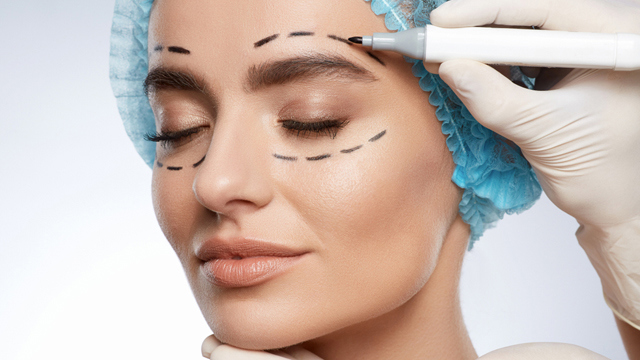
One of the more distinctive aspects of how Afternoon Plastic Surgery Clinic approaches revision cases is the emphasis placed on pre-surgical design. Even in procedures that might appear straightforward to the outside observer, up to 20 minutes may be spent mapping the patient's eyelid proportions, assessing facial symmetry, and marking the intended incision placement before surgery begins.
For scar revision, this design phase is even more consequential. The surgeon must account for existing tissue distortion, residual adhesions, and the way the eyelid skin has changed since the first procedure. Dr. Karam Kim conducts this assessment personally — surgical planning is not delegated to coordinators or assistants.
Dr. Karam Kim: Specialist in Eye Revision Surgery
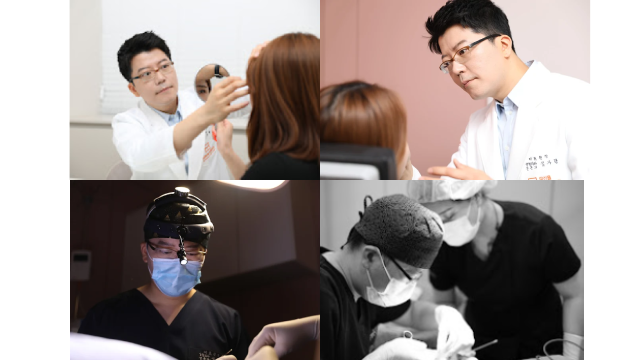
Dr. Karam Kim is a board-certified plastic surgeon whose clinical focus has remained consistent throughout his career: eye surgery and, increasingly, the complex field of eye revision surgery. His previous roles include Director positions at Make Plastic Surgery Clinic and Noblesse Plastic Surgery Clinic, and he holds active membership in multiple Korean surgical and academic societies, including the Korean Society of Plastic and Reconstructive Surgeons and the Korean Society for Aesthetic Plastic Surgery.
His approach to revision cases reflects a recognition that patients seeking correction have often already had a difficult experience. The consultation process at Afternoon is built around listening carefully, explaining options clearly, and setting realistic expectations before any treatment decision is made.
What to Expect During Recovery
Recovery from incision scar correction follows a general timeline, though individual healing varies:
Days 1–3: Swelling and bruising are most pronounced. Cold compresses and head elevation support comfort during this phase.
Days 5–7: Sutures are typically removed. The incision area will appear pink and slightly raised at this stage — this is normal.
Weeks 2–4: Visible swelling subsides considerably. The scar will continue to remodel beneath the surface.
Months 3–6: The revised incision line gradually softens and fades. Final results become visible during this window.
Sun protection is strongly advised throughout the healing period, as UV exposure can darken a healing scar and slow the maturation process.
Clinic Standards and What Sets Afternoon Apart
Afternoon Plastic Surgery Clinic operates under a self-imposed limit of two surgeries per day. This policy exists not for logistical reasons, but as a deliberate quality commitment — ensuring that each patient receives unhurried, focused surgical care.
If asymmetry is identified during a procedure, it is corrected before the patient leaves the operating room. In post-operative cases, the clinic's standard is to address asymmetry corrections within a two-week timeframe.
The clinic's non-surgical treatment suite — including LDM ultrasound therapy and certified HIFU-based devices — also supports post-operative skin recovery for patients managing scar healing alongside broader skin concerns.
Setting Realistic Expectations
Scar correction can meaningfully improve the appearance of a problematic incision line and restore a more natural eyelid appearance — but no surgical revision eliminates a scar entirely. The goal is improvement: a scar that is less visible, better positioned, and more consistent with the patient's aesthetic goals.
Patients considering this procedure are encouraged to approach the consultation with photographs of their original result and a clear description of what concerns them most. Specificity helps the surgeon plan effectively and helps the patient understand what outcomes are realistically achievable.
More Articles
Continue reading our clinical guides.
Understanding Incision Scar Correction: A Complete Patient Guide
Understanding incision scar correction in this complete patient guide. Learn treatment options, healing tips, and recovery advice. Read more online today!
Learn More

Recovery After Ptosis Repair Revision: What to Expect
Learn about recovery after ptosis repair revision, including healing timelines, aftercare tips, swelling management, and when to contact your surgeon.
Learn More
Who Is a Good Candidate for Natural Inner Corner Reconstruction
Find out who is a good candidate for natural inner corner reconstruction, including benefits, eligibility, recovery expectations, and expert insights.
Learn More